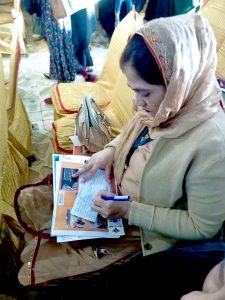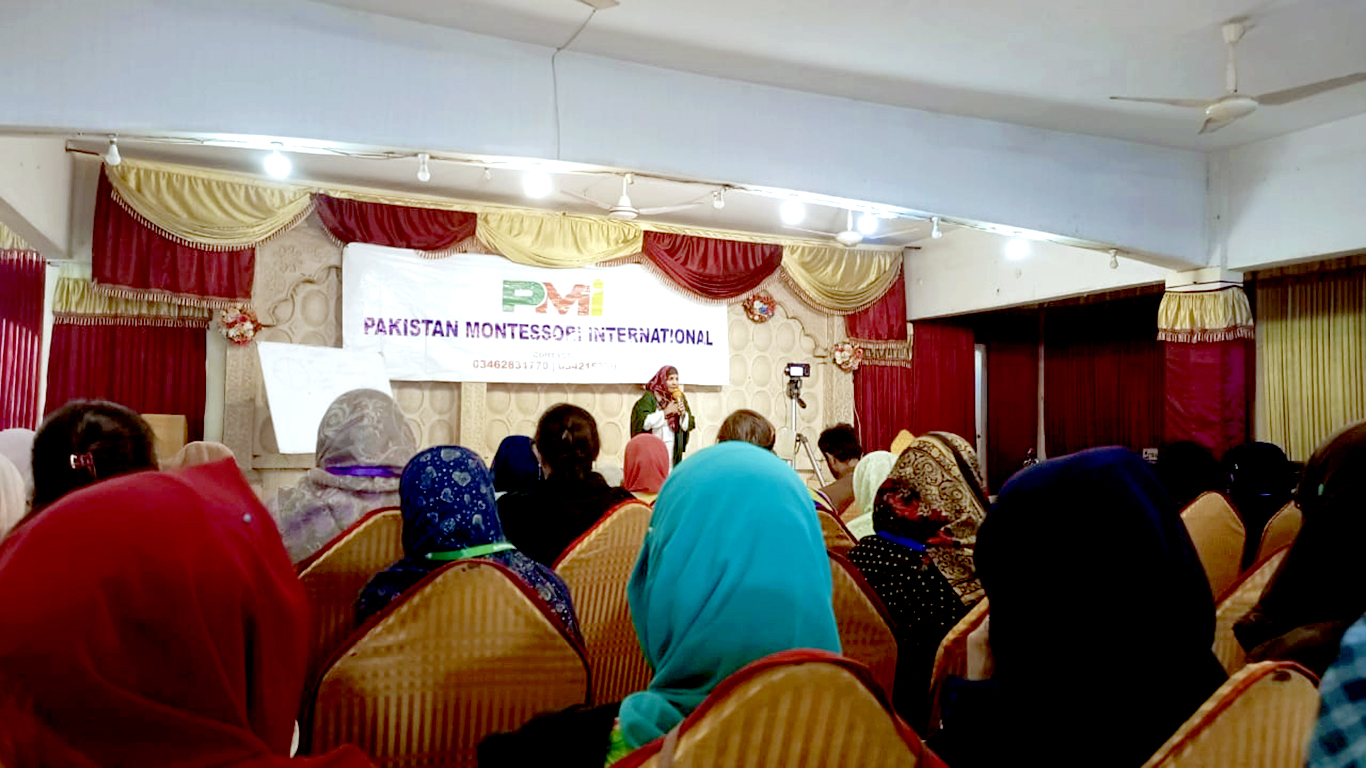
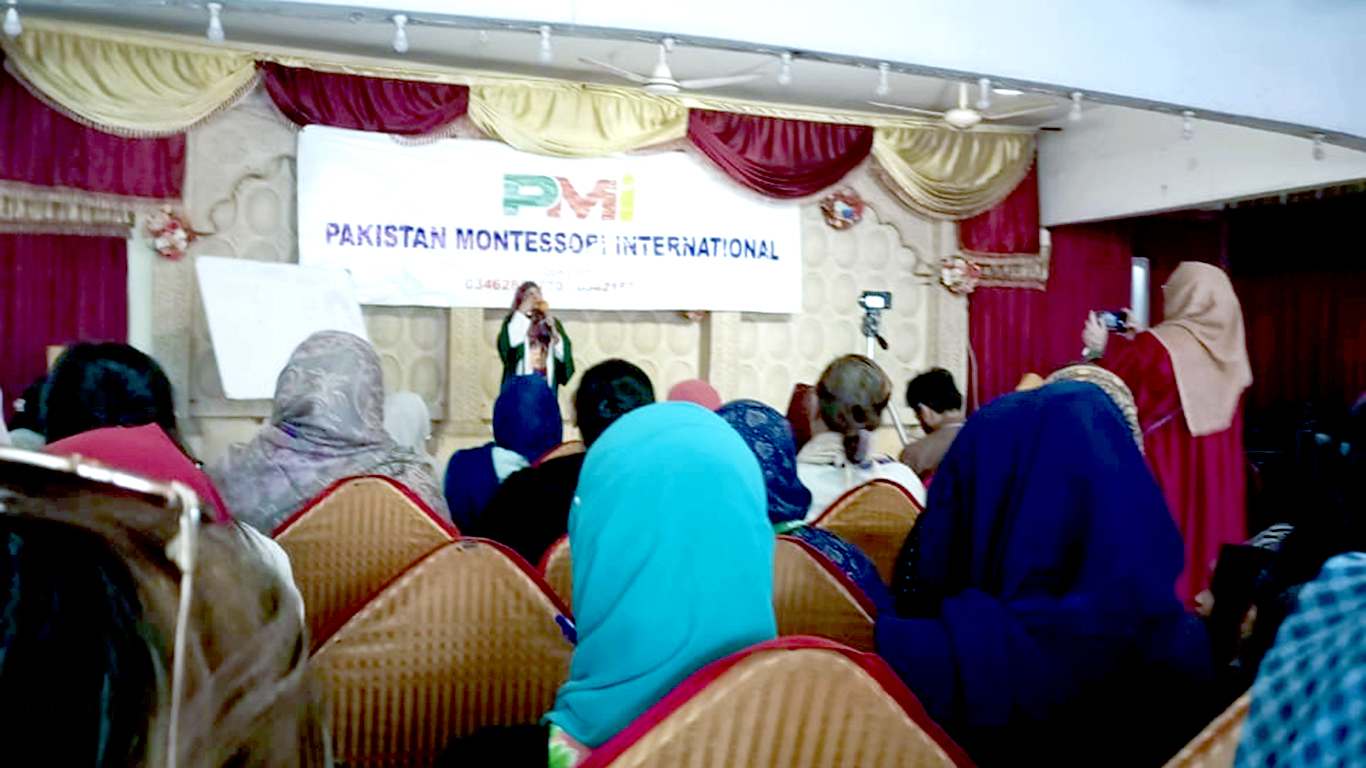
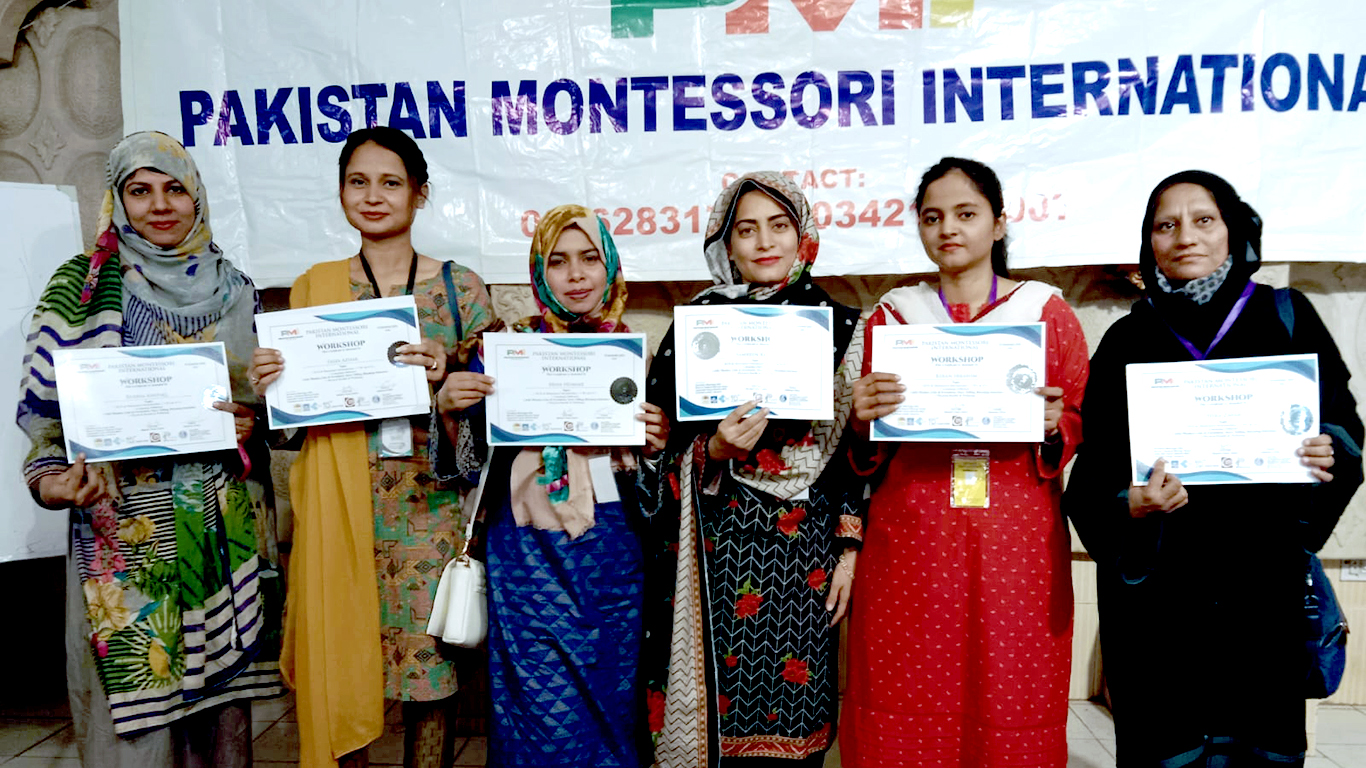
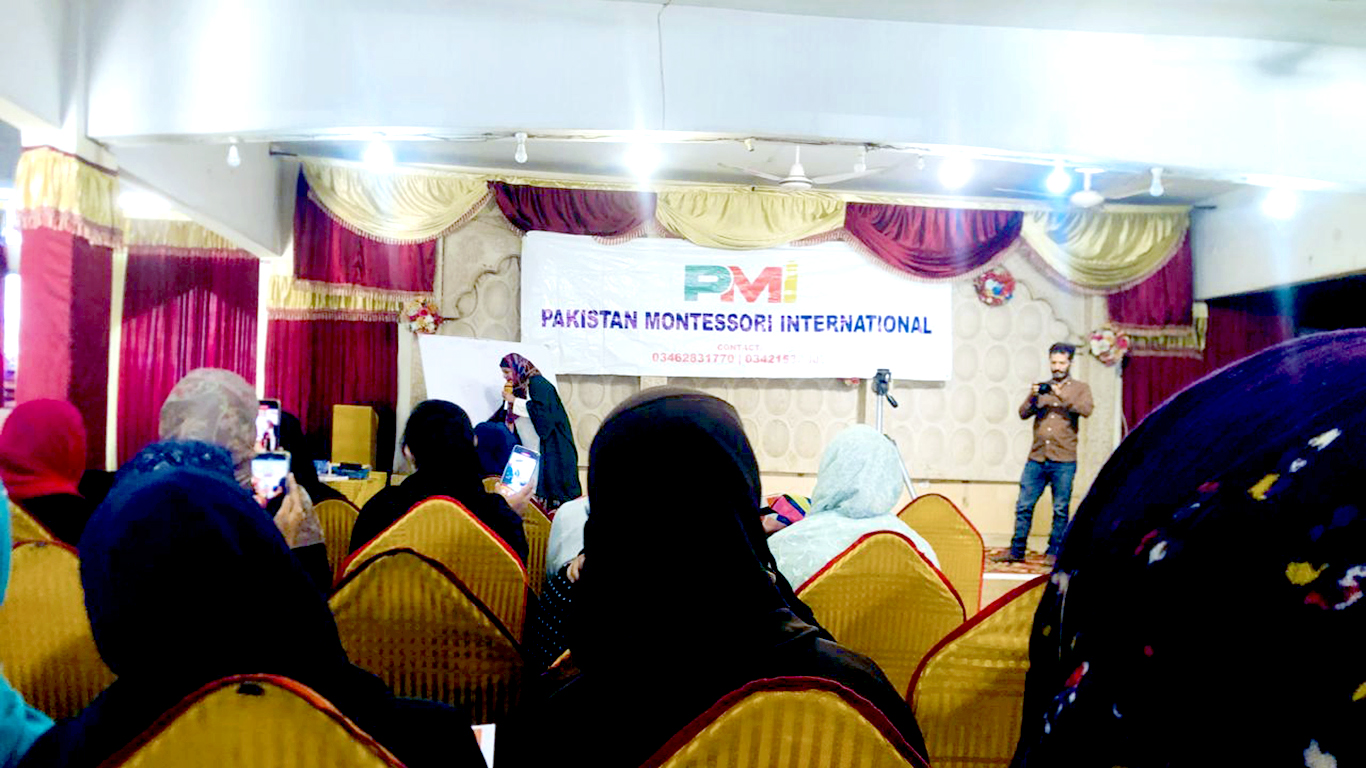
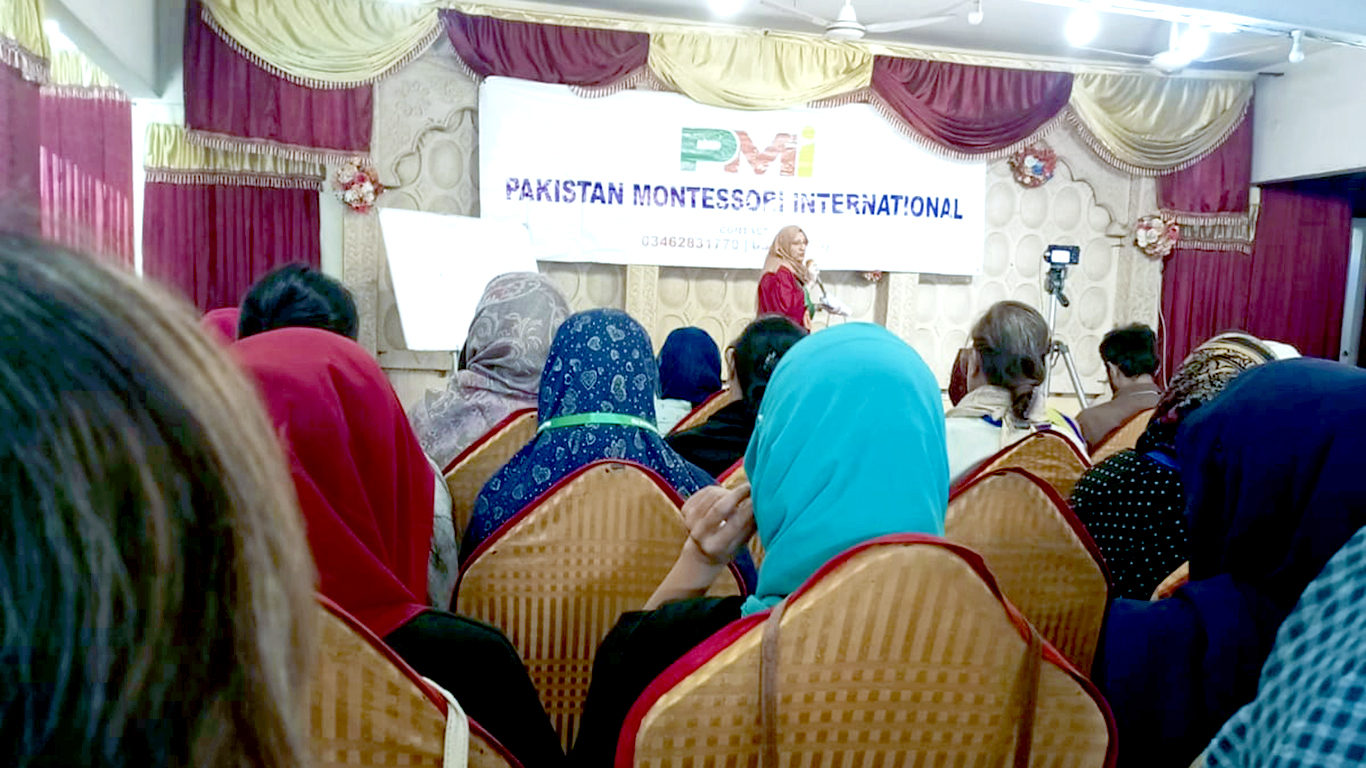
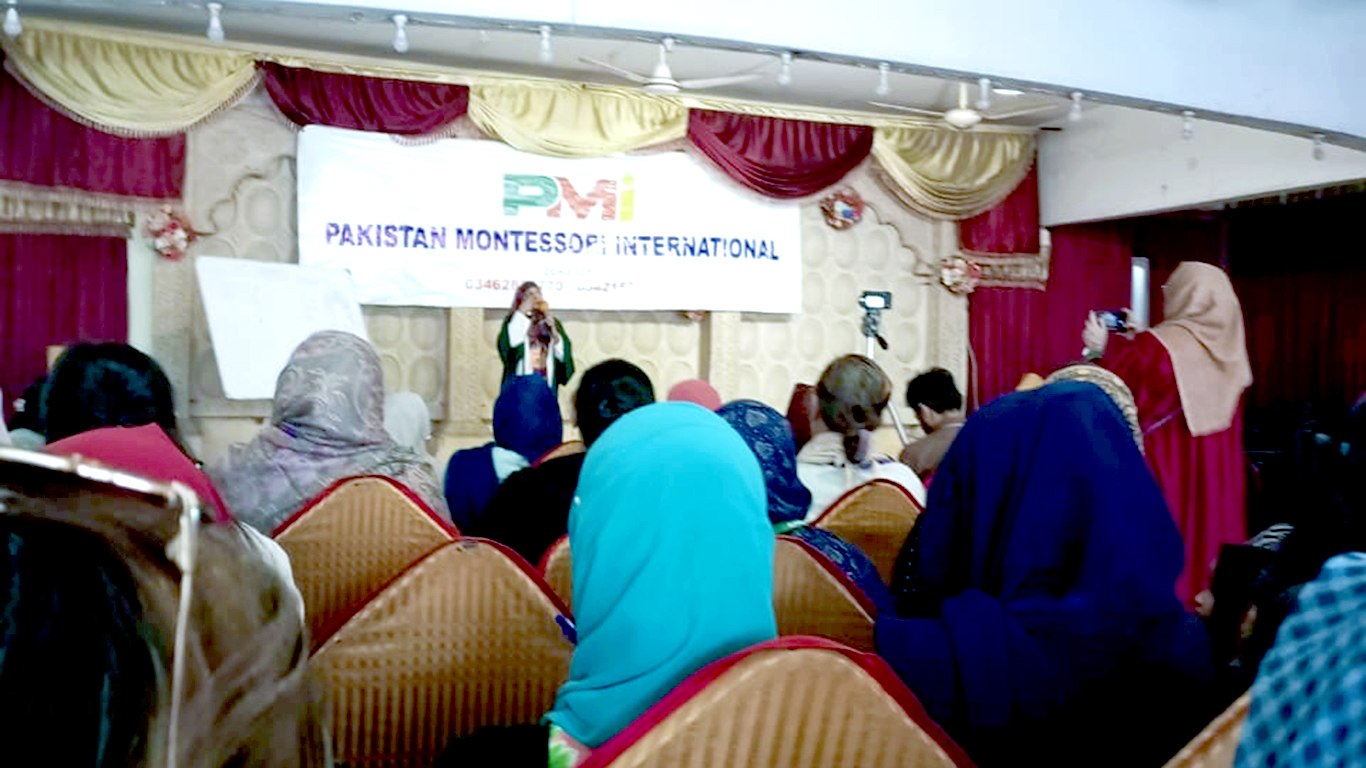
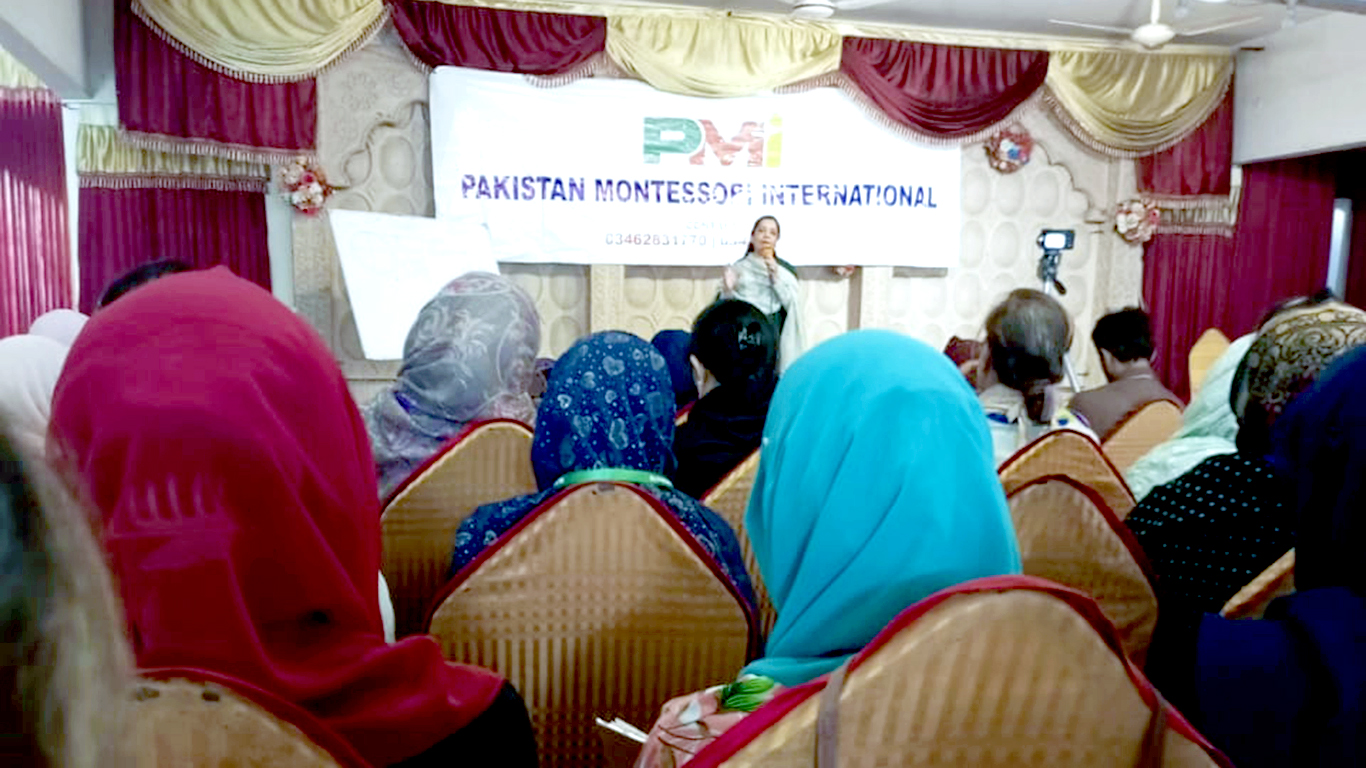
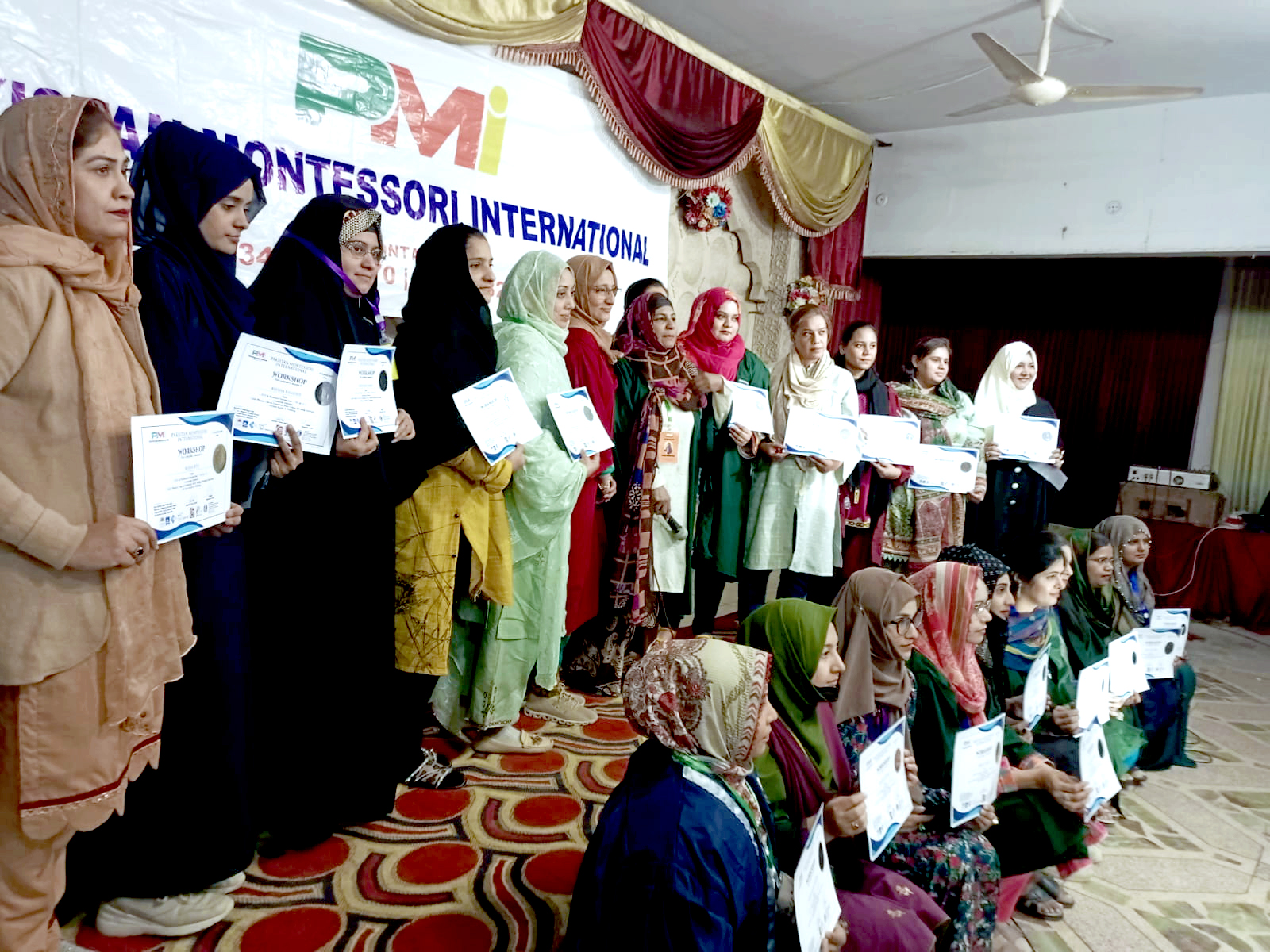
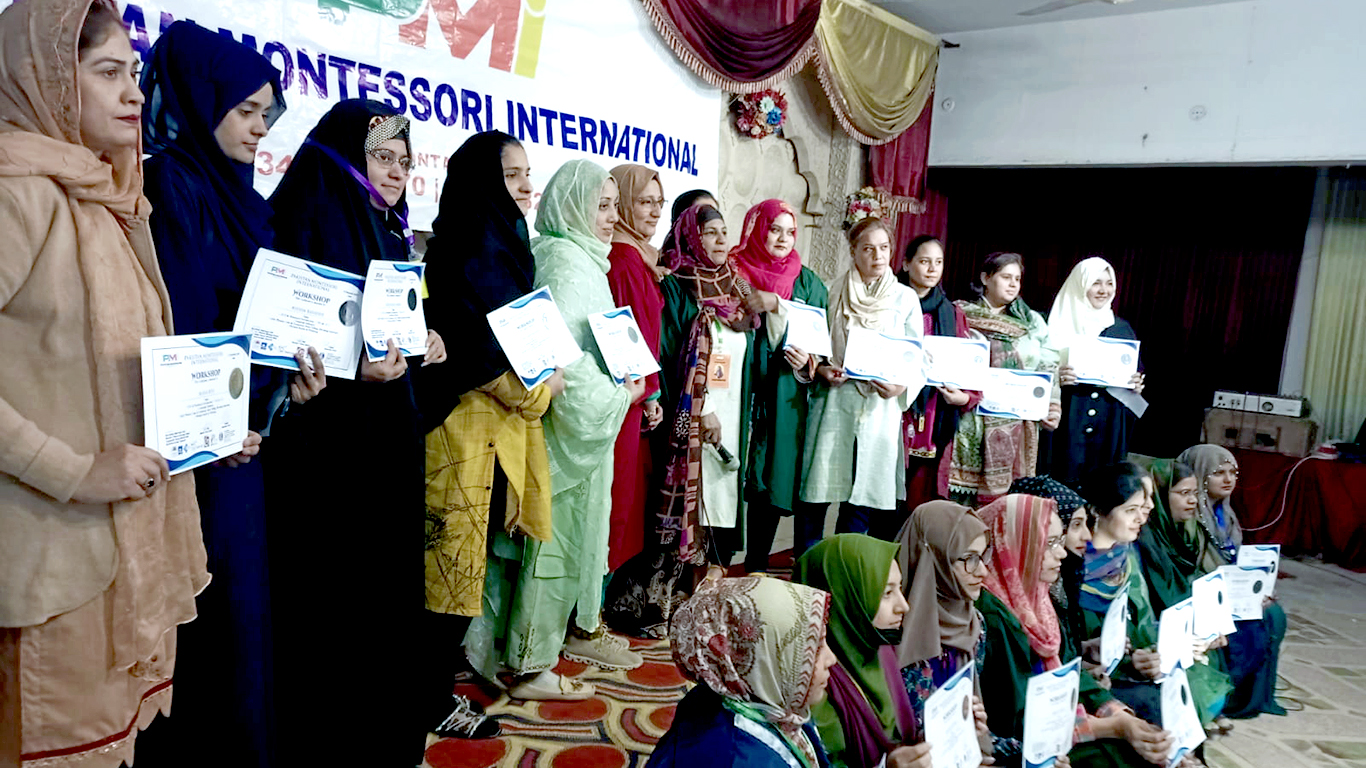
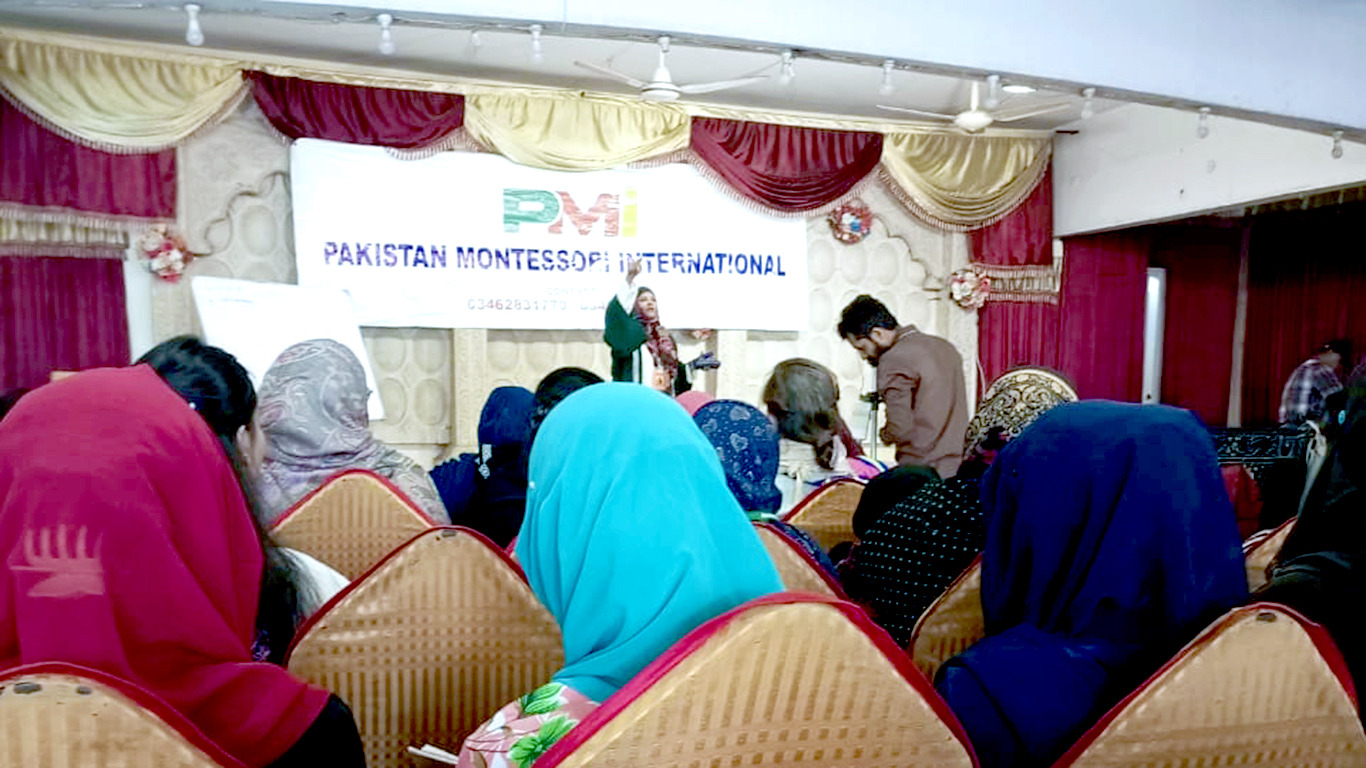
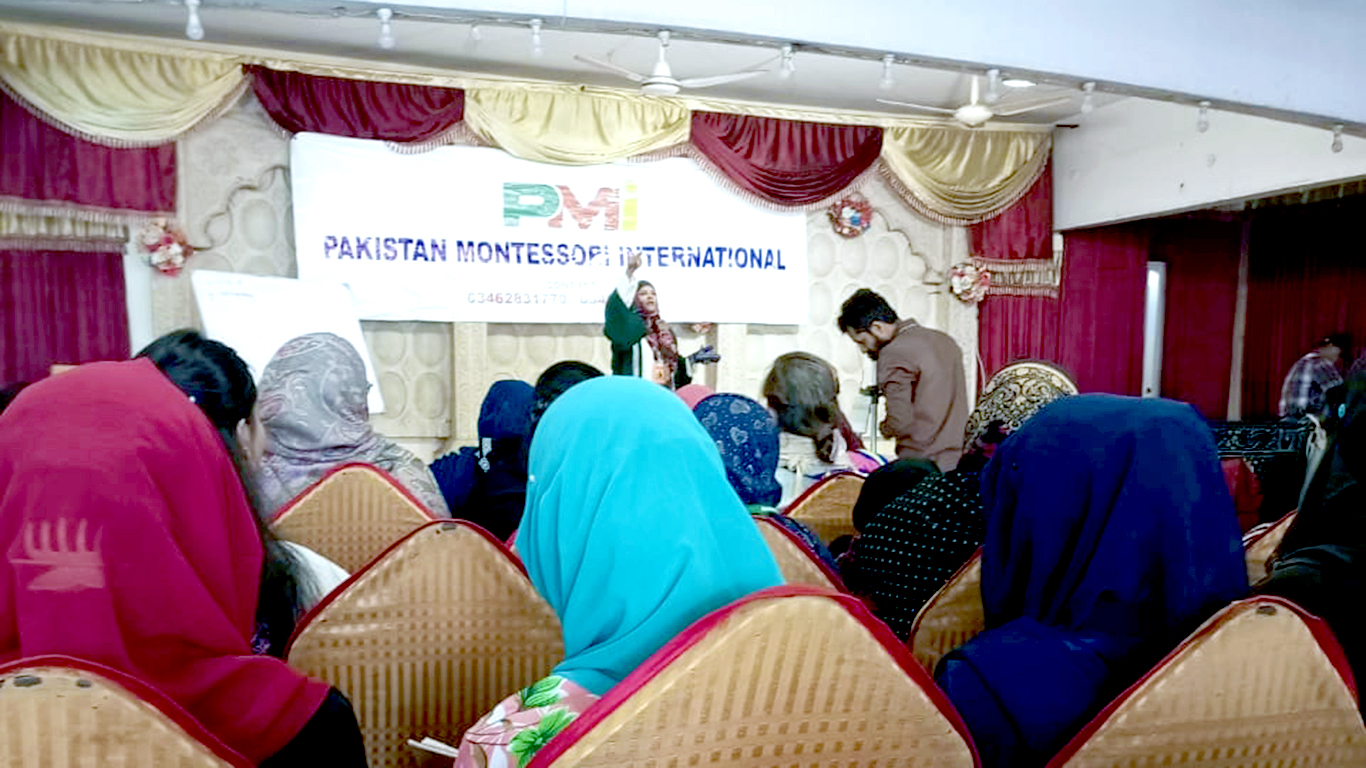
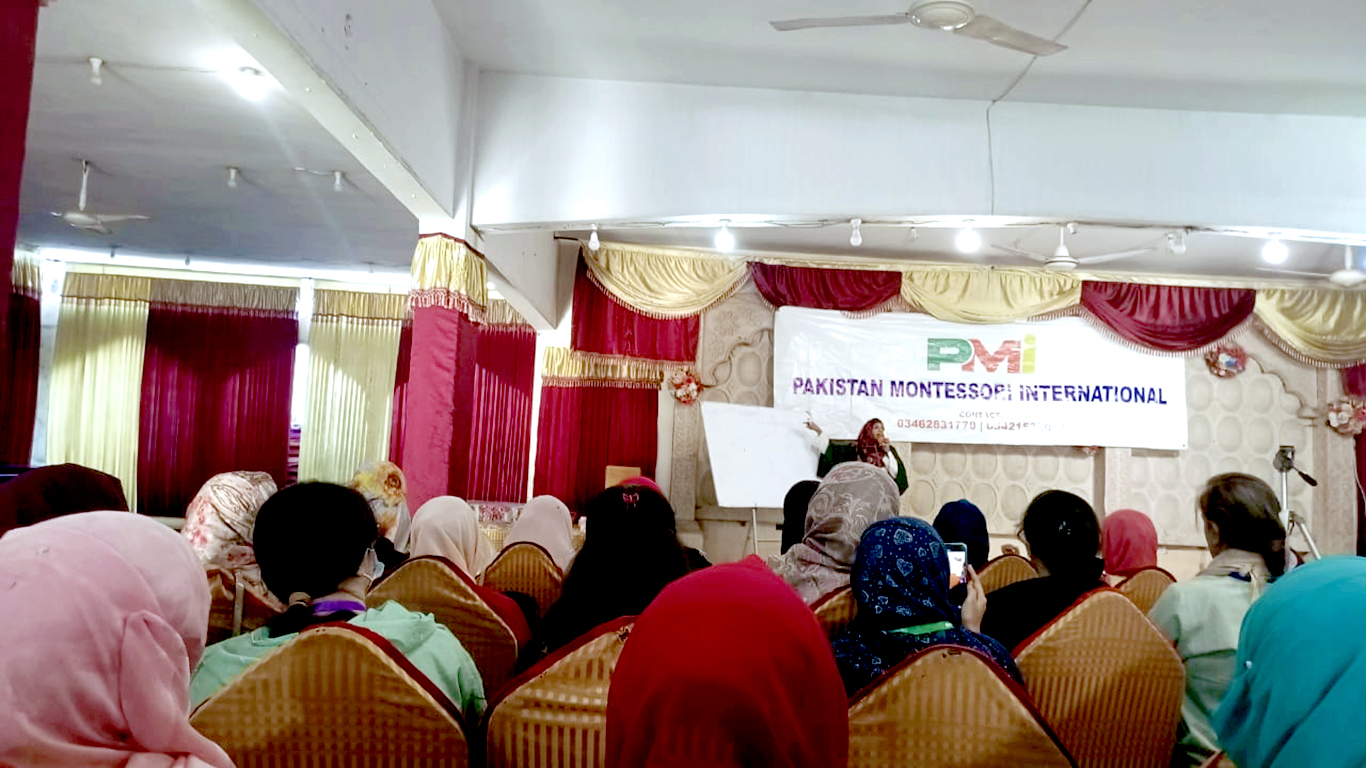
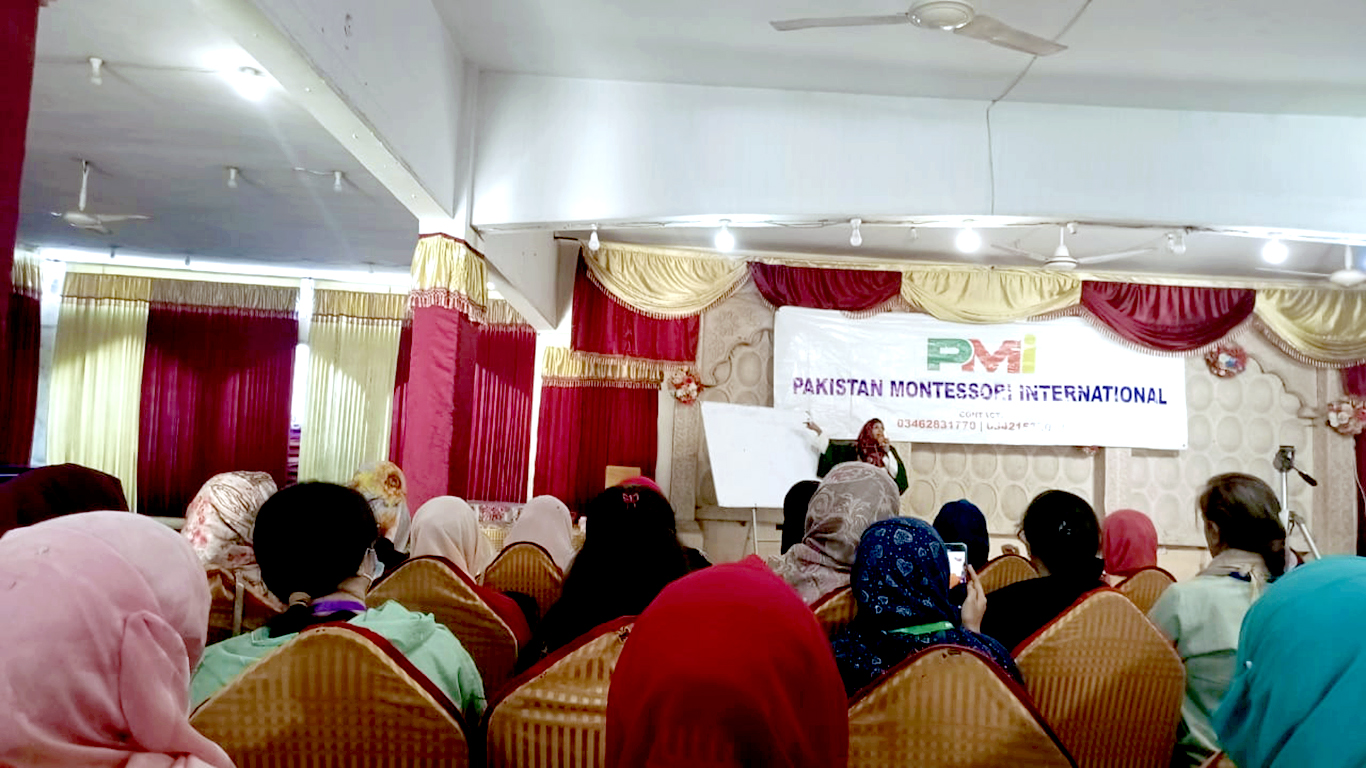
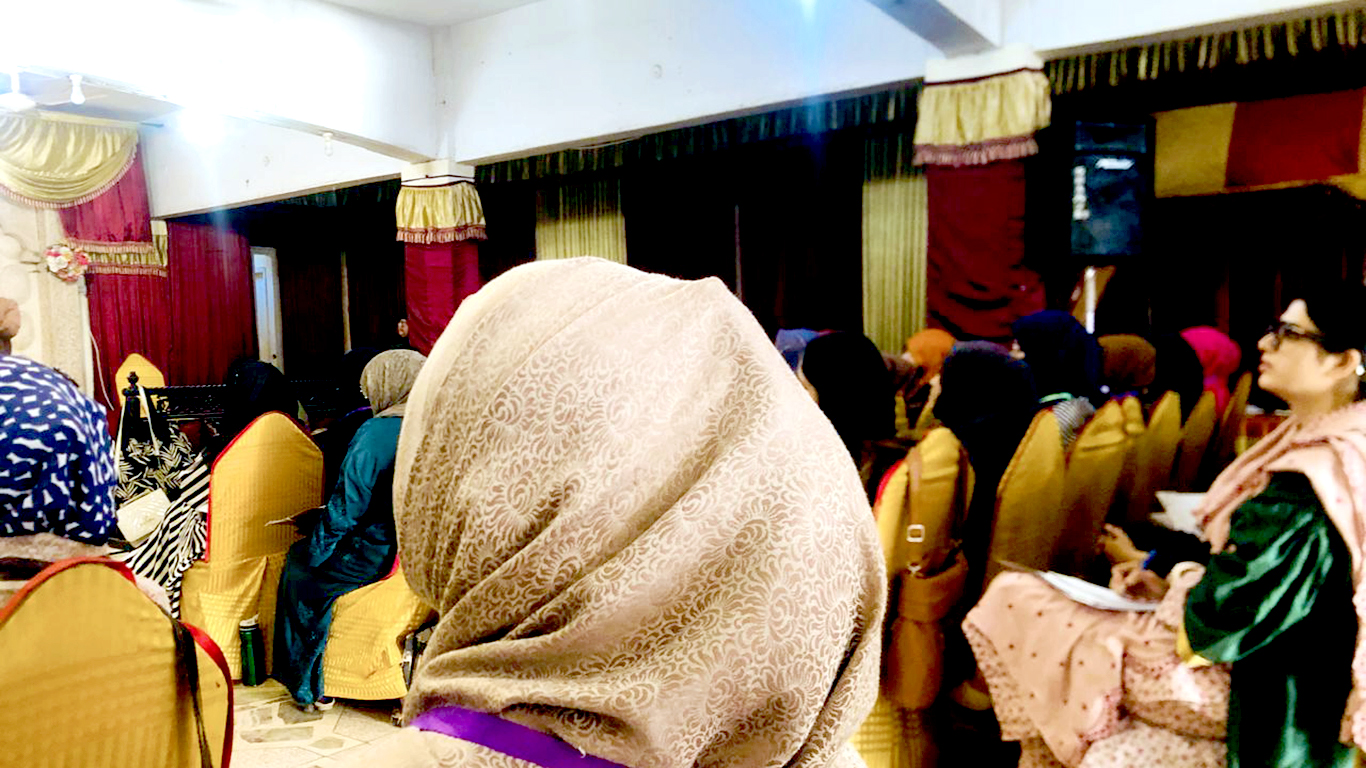
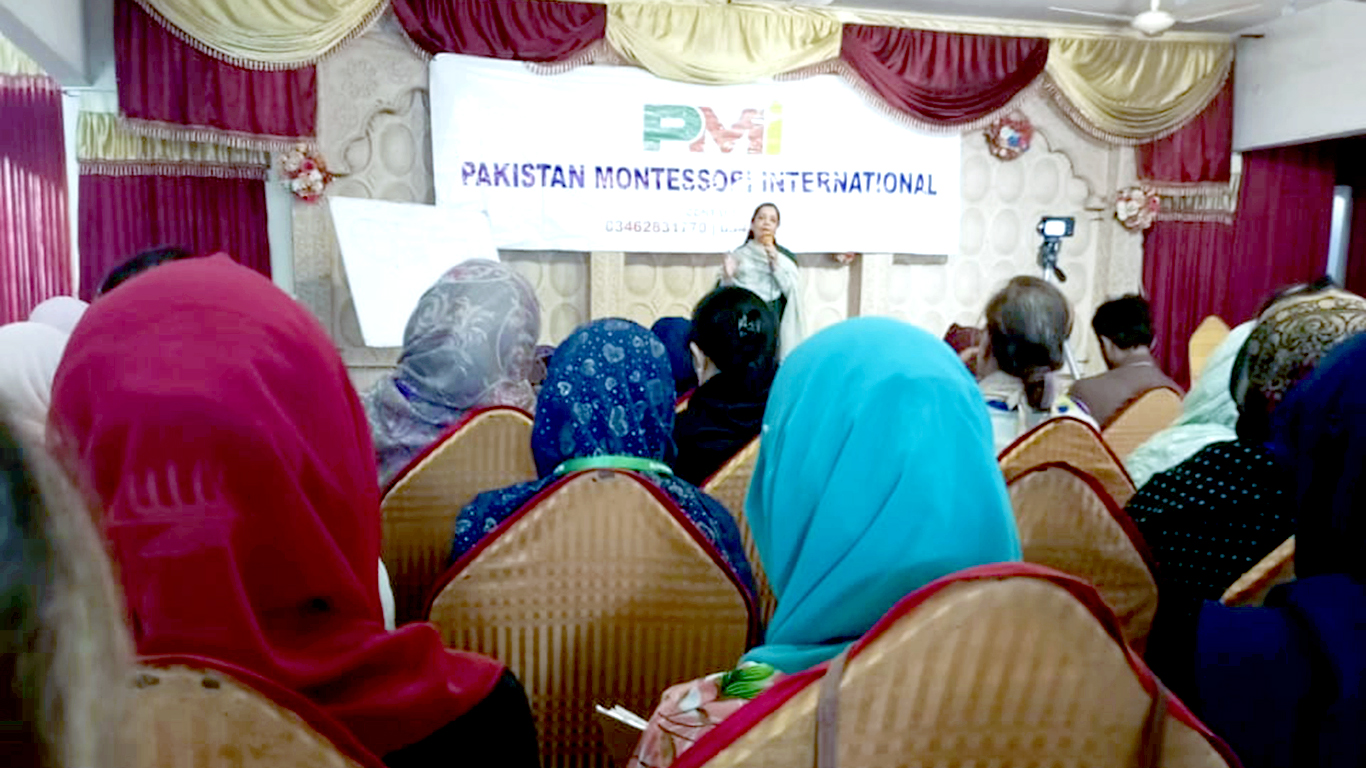
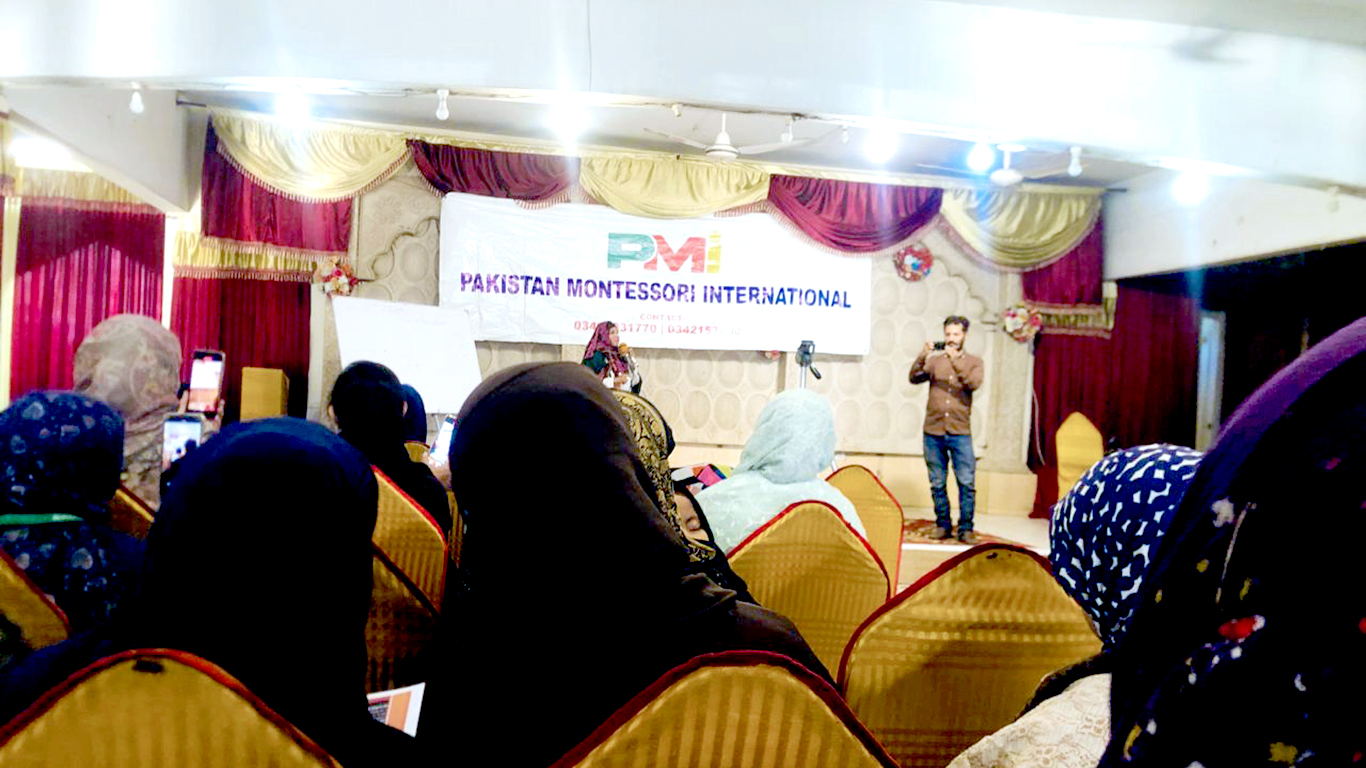
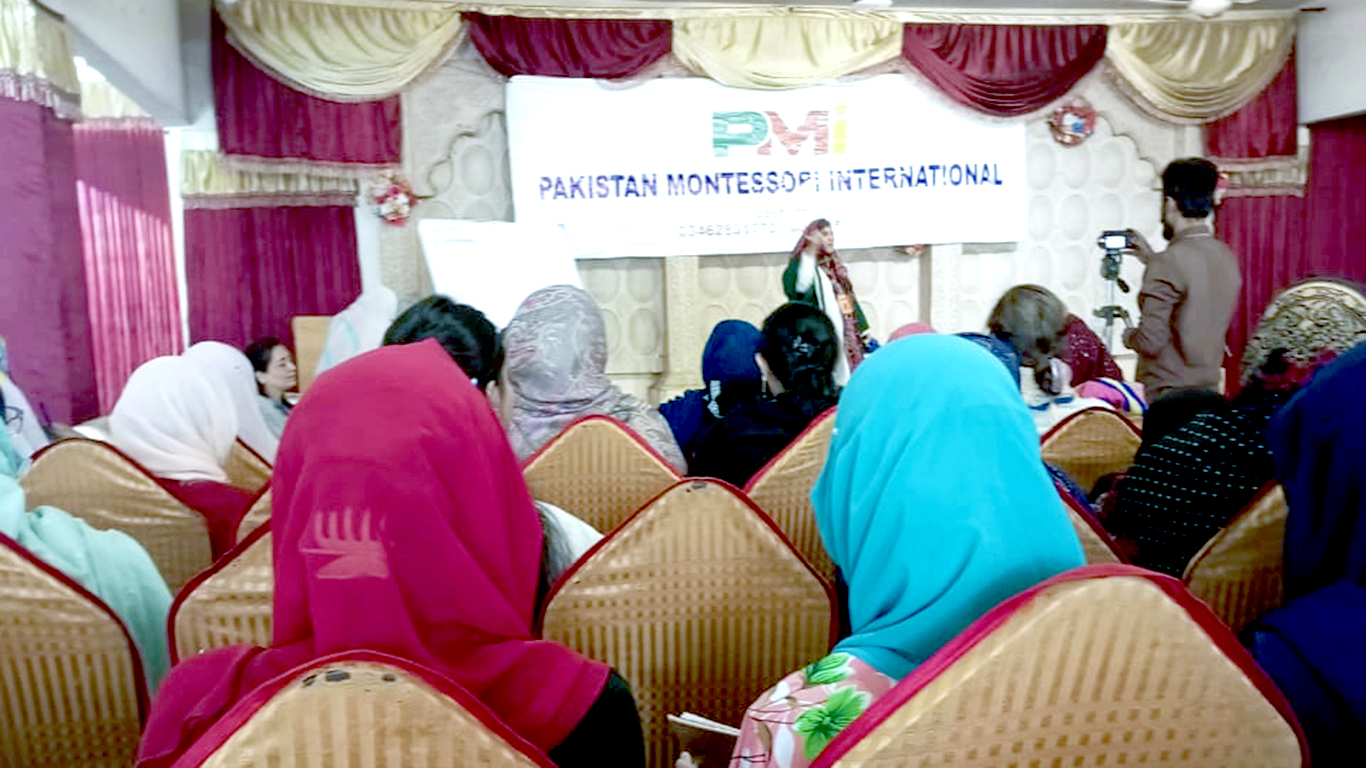
An ECE (Early Childhood Education) workshop is a professional development event aimed at providing educators, caregivers, and administrators with the knowledge and skills necessary to enhance the quality of early childhood education. These workshops can cover a wide range of topics, from child development theories to effective teaching strategies, classroom management, and integrating new technologies in early learning settings.
Key Components of an Effective ECE Workshop
Workshop Title and Theme:
- Example: “Fostering Creativity and Critical Thinking in Early Childhood” or “Innovative Strategies for Inclusive Early Childhood Education.”
- The title should clearly reflect the focus of the workshop, whether it’s a specific teaching method, child development concept, or educational tool.
Workshop Goals:
- Increase Knowledge: Equip educators with a deeper understanding of child development, teaching strategies, or early learning programs.
- Skill Development: Provide hands-on practice or demonstrations so participants can apply new strategies in their classrooms.
- Collaboration: Encourage sharing of ideas, resources, and experiences between participants.
- Reflection and Growth: Help participants reflect on their current practices and develop action plans for improvement.
Target Audience:
- Early childhood educators (preschool, kindergarten, and daycare providers)
- Parents and caregivers
- School administrators or education leaders
- ECE students or trainees
Key Topics for an ECE Workshop: Depending on the focus of your workshop, you can choose from a variety of important topics in early childhood education. Here are some ideas:
1. Child Development and Learning Theories
Overview: Discuss the stages of early childhood development, including physical, cognitive, social, and emotional milestones.
Key Focus Areas:
- Theories by Piaget, Vygotsky, Erikson, and others.
- Importance of play-based learning and active engagement.
- Social and emotional development in early childhood.
Activities:
- Role-playing different developmental stages.
- Group discussions on how various theories can be implemented in daily classroom activities.
2. Creating Inclusive Classrooms
Overview: Focus on strategies for creating inclusive learning environments that meet the needs of all children, including those with disabilities or learning differences.
Key Focus Areas:
- Differentiated instruction techniques.
- Universal Design for Learning (UDL).
- Adaptive teaching materials and techniques.
- Social-emotional learning for all students.
Activities:
- Hands-on activities demonstrating how to modify classroom materials.
- Group brainstorming on how to adapt lesson plans for diverse needs.
3. Effective Classroom Management for Young Learners
Overview: Provide strategies for managing young children in a positive, supportive way, focusing on building a structured yet flexible classroom environment.
Key Focus Areas:
- Positive reinforcement and behavior management techniques.
- Establishing routines and clear expectations.
- Conflict resolution and promoting positive peer interactions.
Activities:
- Role-playing classroom management scenarios.
- Group sharing of real-life experiences and solutions.
4. Early Literacy and Numeracy Skills Development
Overview: Explore best practices for teaching literacy and numeracy in the early years, focusing on fostering a love of learning.
Key Focus Areas:
- Strategies for reading readiness and phonemic awareness.
- Hands-on math activities using manipulatives and visual aids.
- Encouraging storytelling, language play, and math through everyday activities.
Activities:
- Interactive reading sessions with children’s books.
- Group activities to create simple, engaging math games.
5. Play-Based Learning and Its Importance
Overview: Emphasize the critical role of play in early childhood education and how it supports cognitive, social, and emotional development.
Key Focus Areas:
- Types of play (e.g., free play, guided play, constructive play).
- Creating environments that support diverse play experiences.
- Integrating play into structured learning activities.
Activities:
- Explore different types of play stations (e.g., art, blocks, dramatic play).
- Plan a day of learning that integrates both play and educational objectives.
6. Integrating Technology in Early Childhood Education
Overview: Discuss how technology can enhance learning experiences, if used appropriately, for young children.
Key Focus Areas:
- The role of digital literacy in early childhood education.
- Balancing screen time with hands-on learning.
- Safe and educational technology tools for young children.
Activities:
- Demo of educational apps or tools that can be used in the classroom.
- Discuss strategies for integrating tech into activities like storytelling, art, or simple math games.
7. Cultural Competency and Diversity in Early Childhood Education
Overview: Address the importance of understanding and respecting cultural differences and ensuring an inclusive environment for all children.
Key Focus Areas:
- Strategies for promoting diversity and multiculturalism.
- Anti-bias education practices.
- Understanding how cultural differences impact learning styles and communication.
Activities:
- Group discussions on cultural awareness and bias.
- Creating culturally inclusive lesson plans or activities.
8. Emotional and Social Learning (SEL)
Overview: Introduce emotional and social learning strategies to help children build skills like self-regulation, empathy, and conflict resolution.
Key Focus Areas:
- Recognizing and labeling emotions.
- Teaching empathy and emotional regulation.
- Using mindfulness practices in the classroom.
Activities:
- Practice mindfulness exercises (e.g., breathing exercises, meditation).
- Use storytelling or role-playing to teach empathy and social skills.
9. The Role of Parents and Caregivers in Early Childhood Education
Overview: Educate early childhood educators on how to effectively engage parents and caregivers in the educational process.
Key Focus Areas:
- Building strong home-school partnerships.
- Encouraging parental involvement in the classroom.
- Supporting parents in understanding child development and learning at home.
Activities:
- Discussion on effective communication with parents.
- Creating home activity ideas that support learning outside the classroom.
10. Practical Assessment Tools in Early Childhood Education
Overview: Provide educators with methods and tools to assess children’s development and learning progress.
Key Focus Areas:
- Types of assessments: observational, portfolio, formative, and summative.
- Using assessment data to guide curriculum planning and individual support.
- Documenting growth through anecdotal records and work samples.
Activities:
- Practice creating simple assessment rubrics.
- Share techniques for documenting children’s developmental milestones.
Workshop Structure and Delivery:
- Duration: 1–2 days (typically with breaks)
- Format:
- Interactive lectures
- Hands-on activities or demonstrations
- Group discussions and collaborations
- Q&A sessions
- Take-home materials (worksheets, activity guides, online resources)
- Closing reflection and feedback session
Online/Hybrid Options:
Given the increasing availability of online platforms, you can consider offering the workshop in a hybrid format, where participants can attend in person or via video conferencing tools like Zoom or Google Meet. This will allow wider participation from different geographical areas.
Tips for Facilitating a Successful ECE Workshop:
- Use Visuals and Multimedia: Incorporate videos, charts, and examples to make the content engaging.
- Create a Safe, Collaborative Environment: Encourage participants to share experiences, ask questions, and discuss challenges.
- Interactive Tools: Use polls, quizzes, and breakout rooms (in virtual workshops) to keep the audience involved.
- Resource Sharing: Provide participants with a list of recommended books, websites, apps, and articles for further reading.
- Action Plans: At the end of the workshop, ask participants to create an action plan on how they’ll implement what they learned in their classrooms.
An ECE workshop is a valuable way to support educators and caregivers in providing high-quality, developmentally appropriate education to young children. By focusing on practical strategies, hands-on learning, and collaboration, you can create a workshop that makes a lasting impact on both educators and the children they teach.