
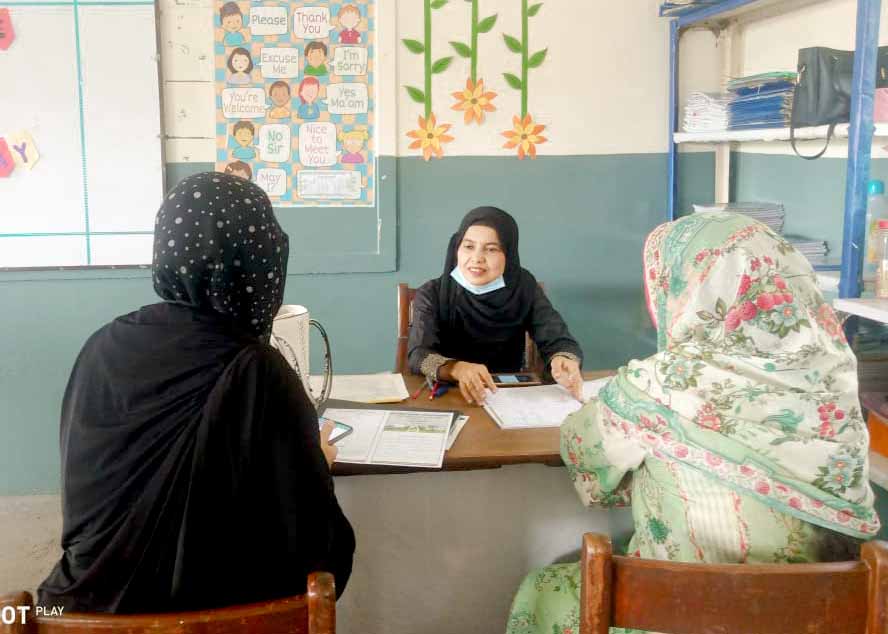
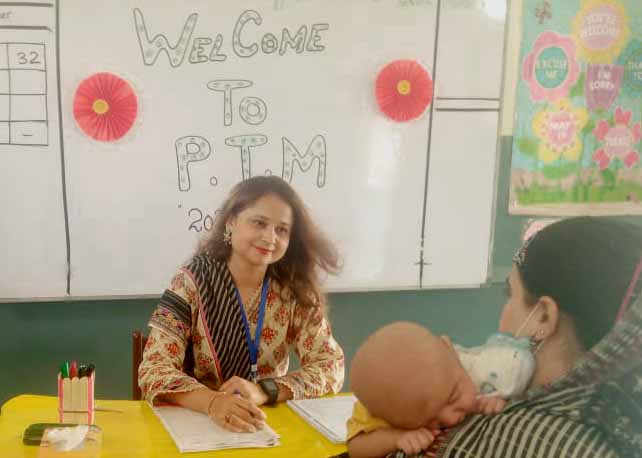
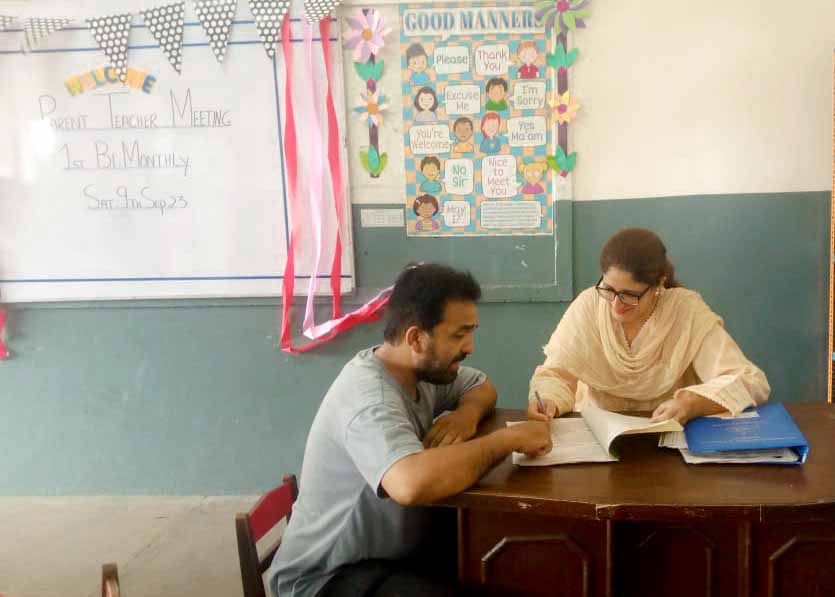
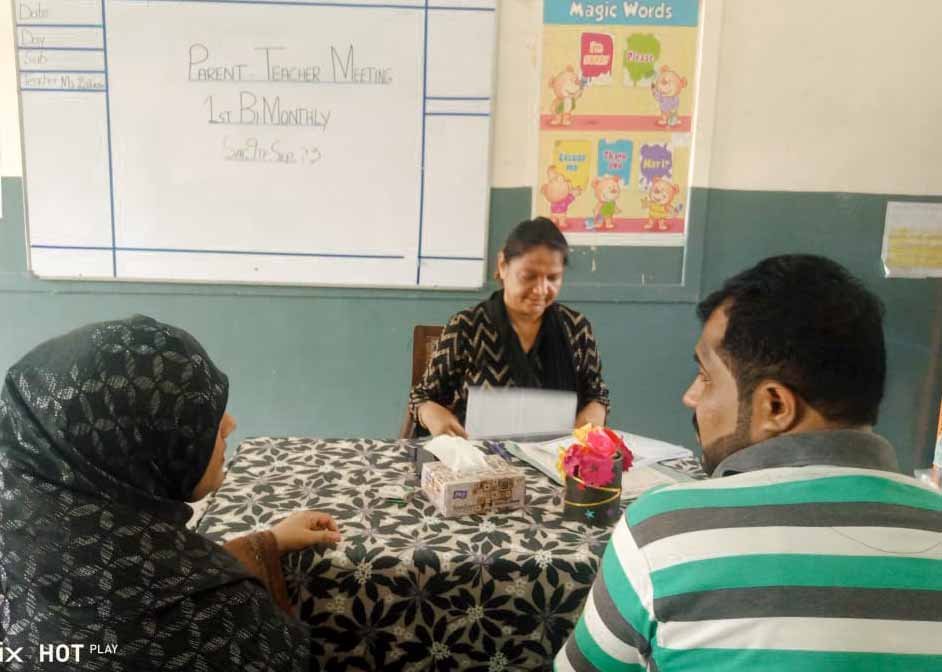
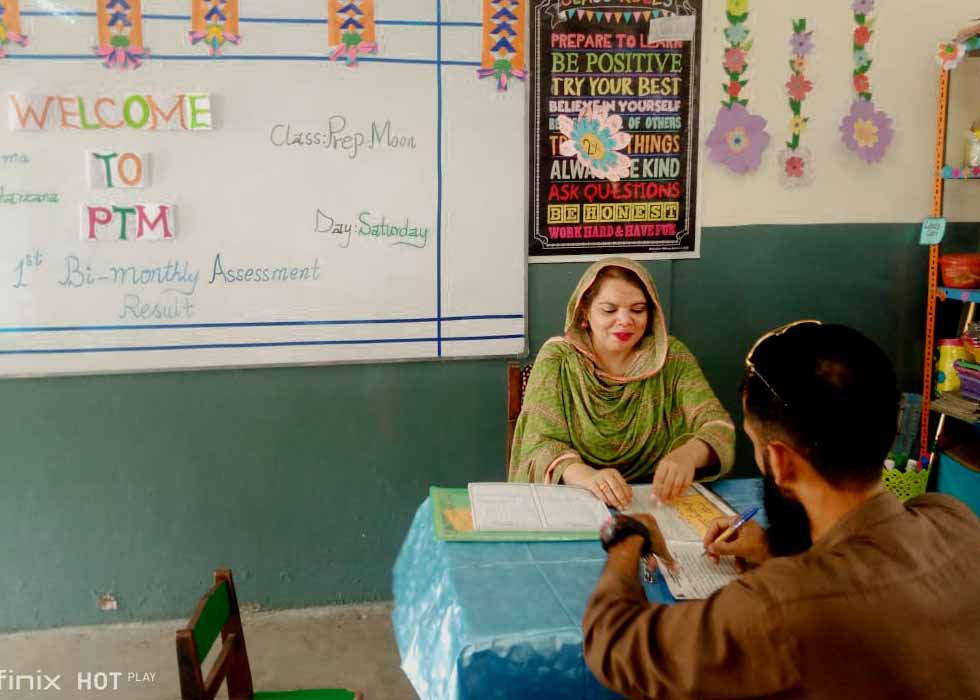

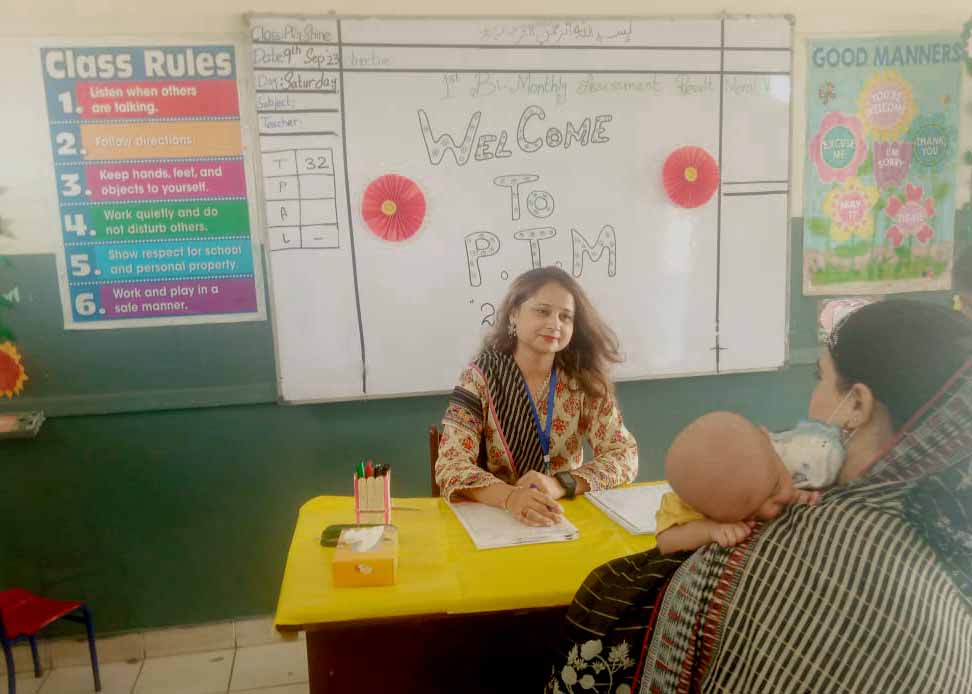
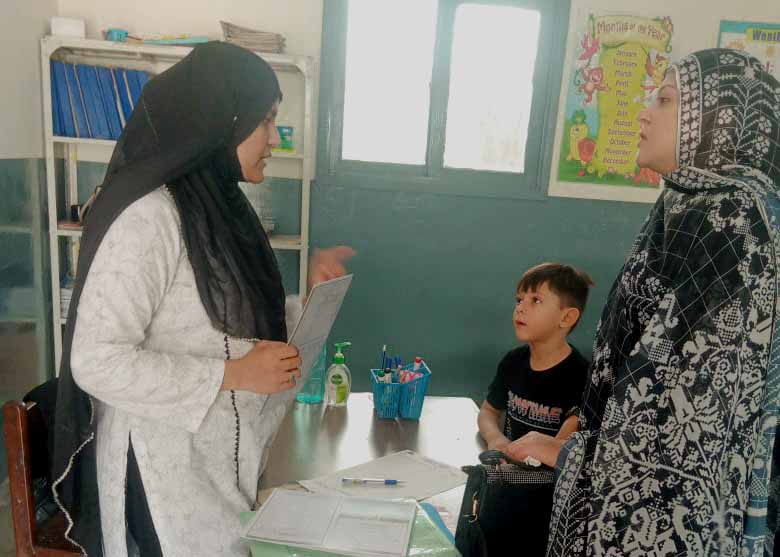
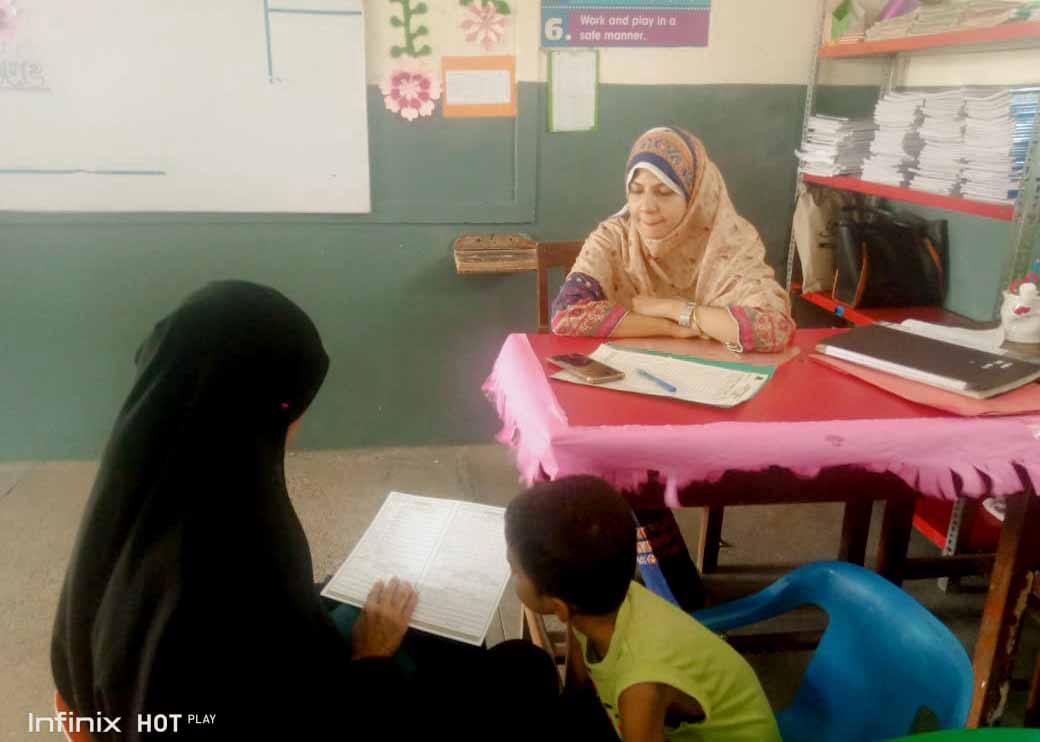
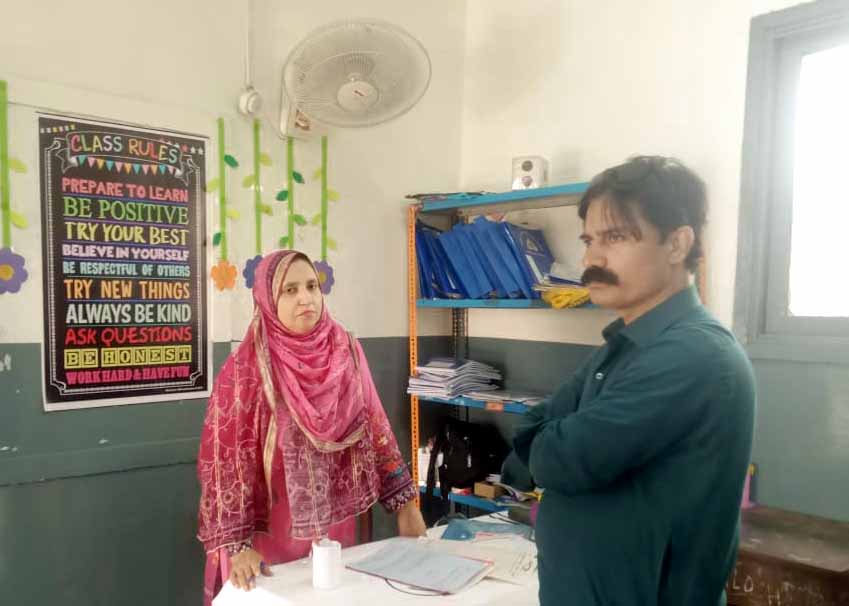
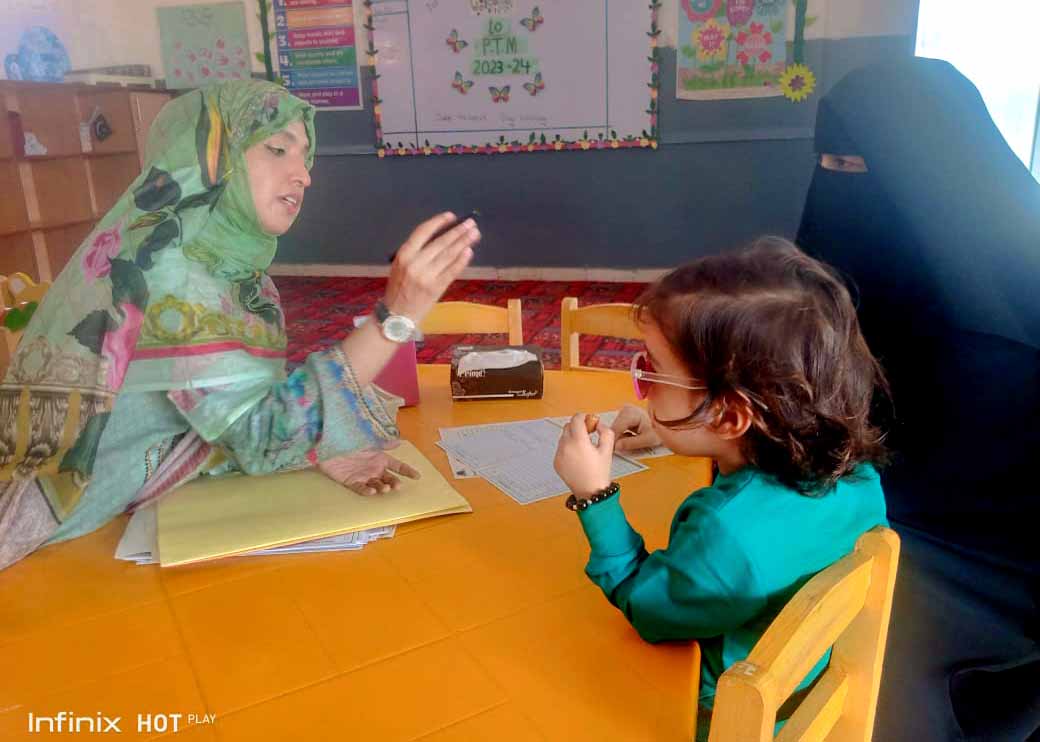
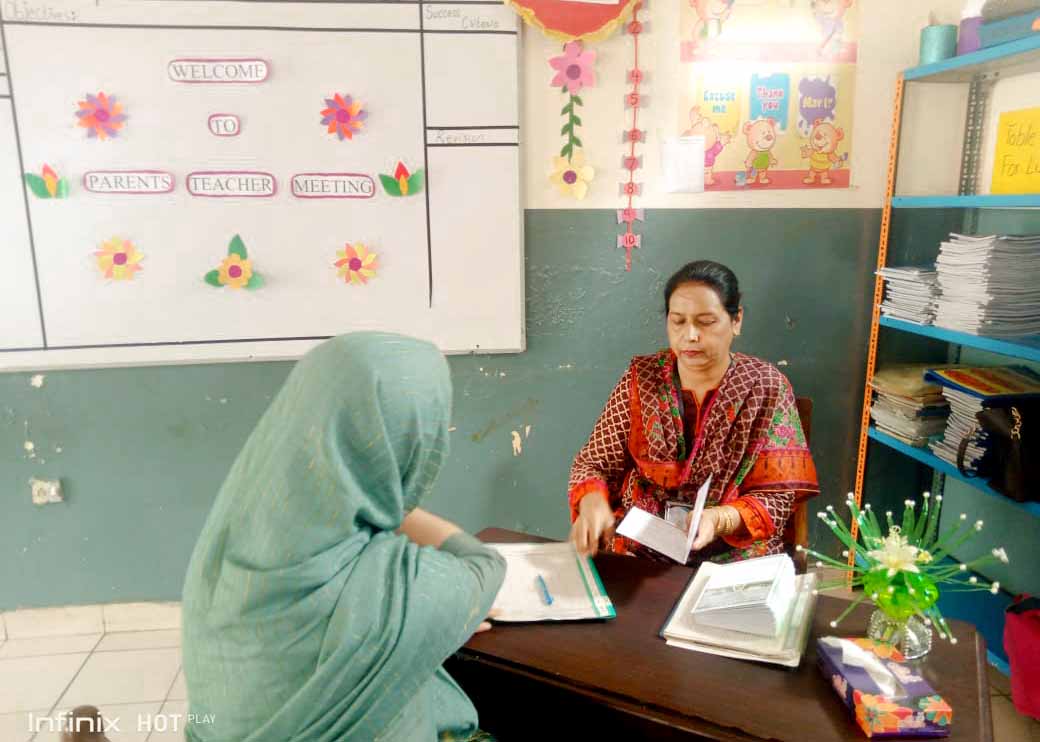
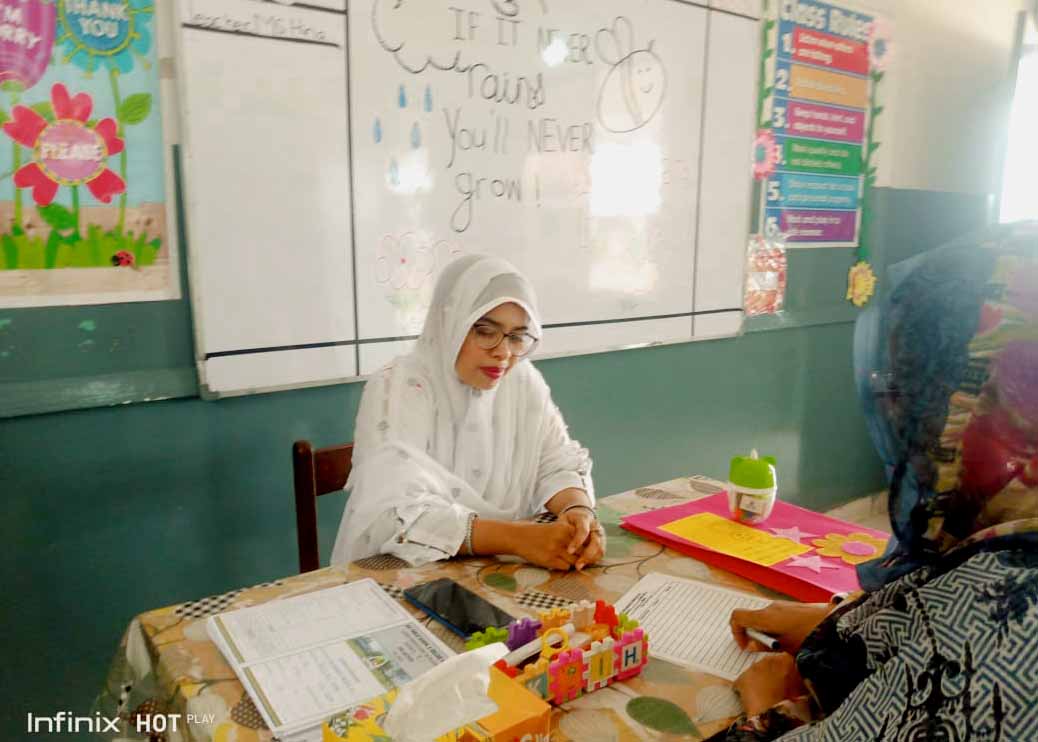
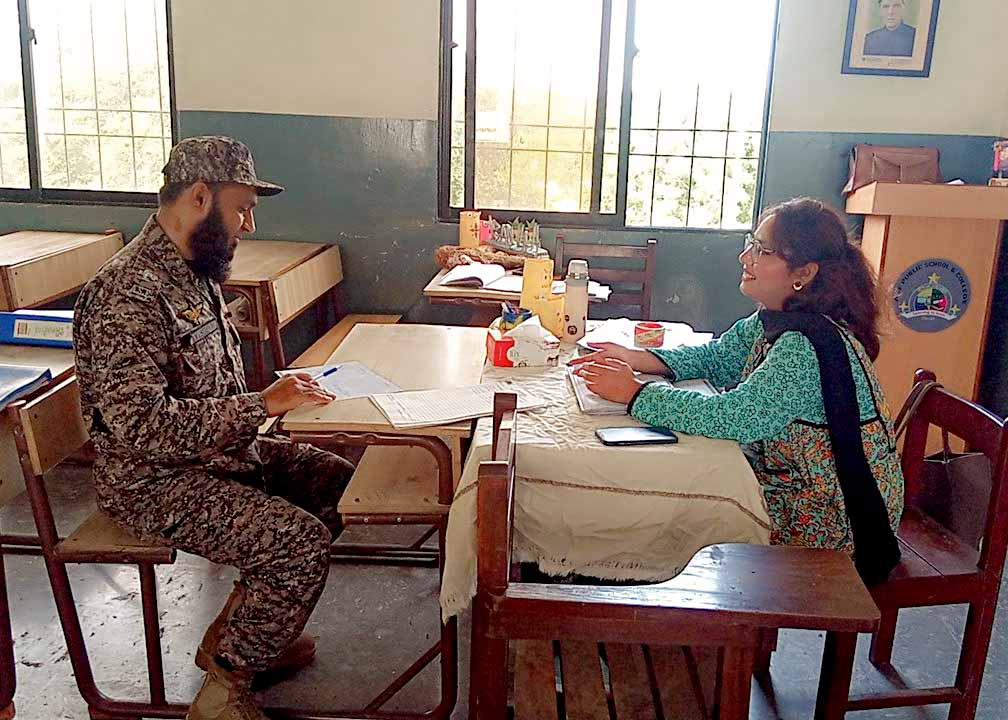
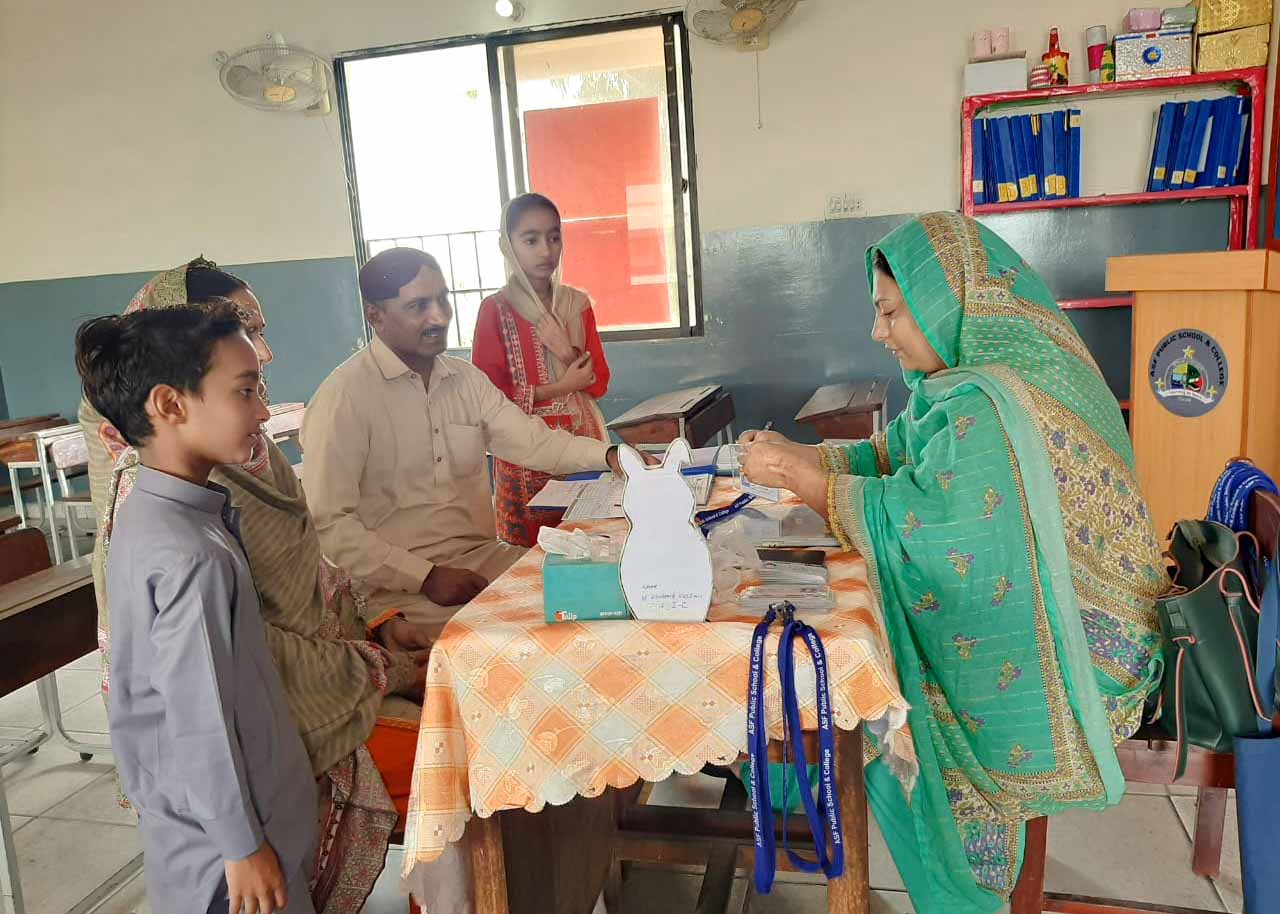
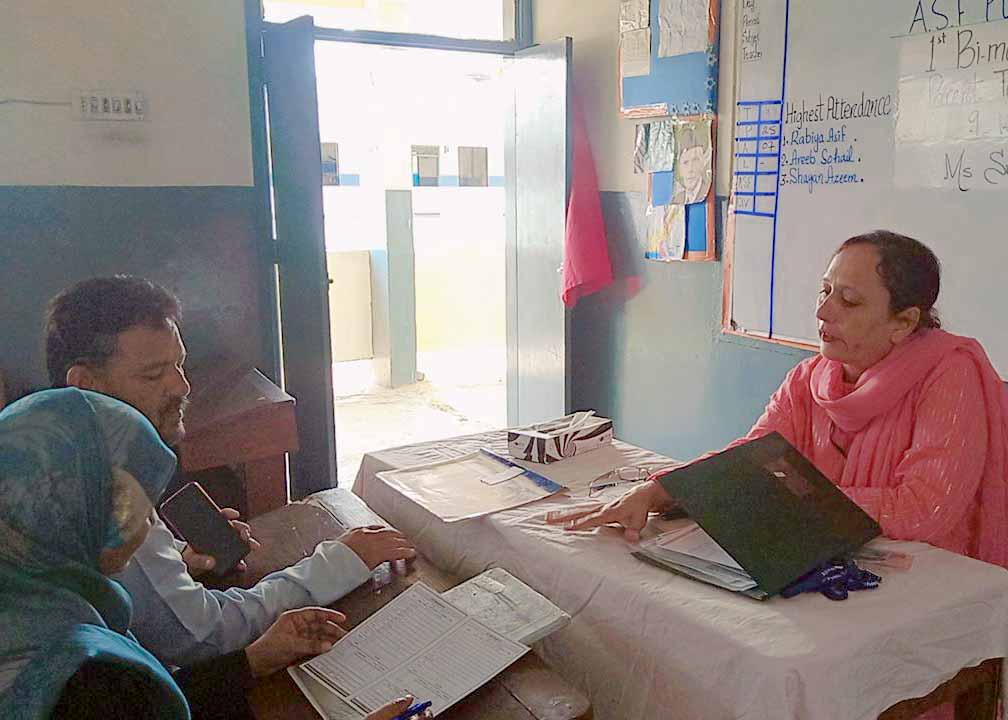
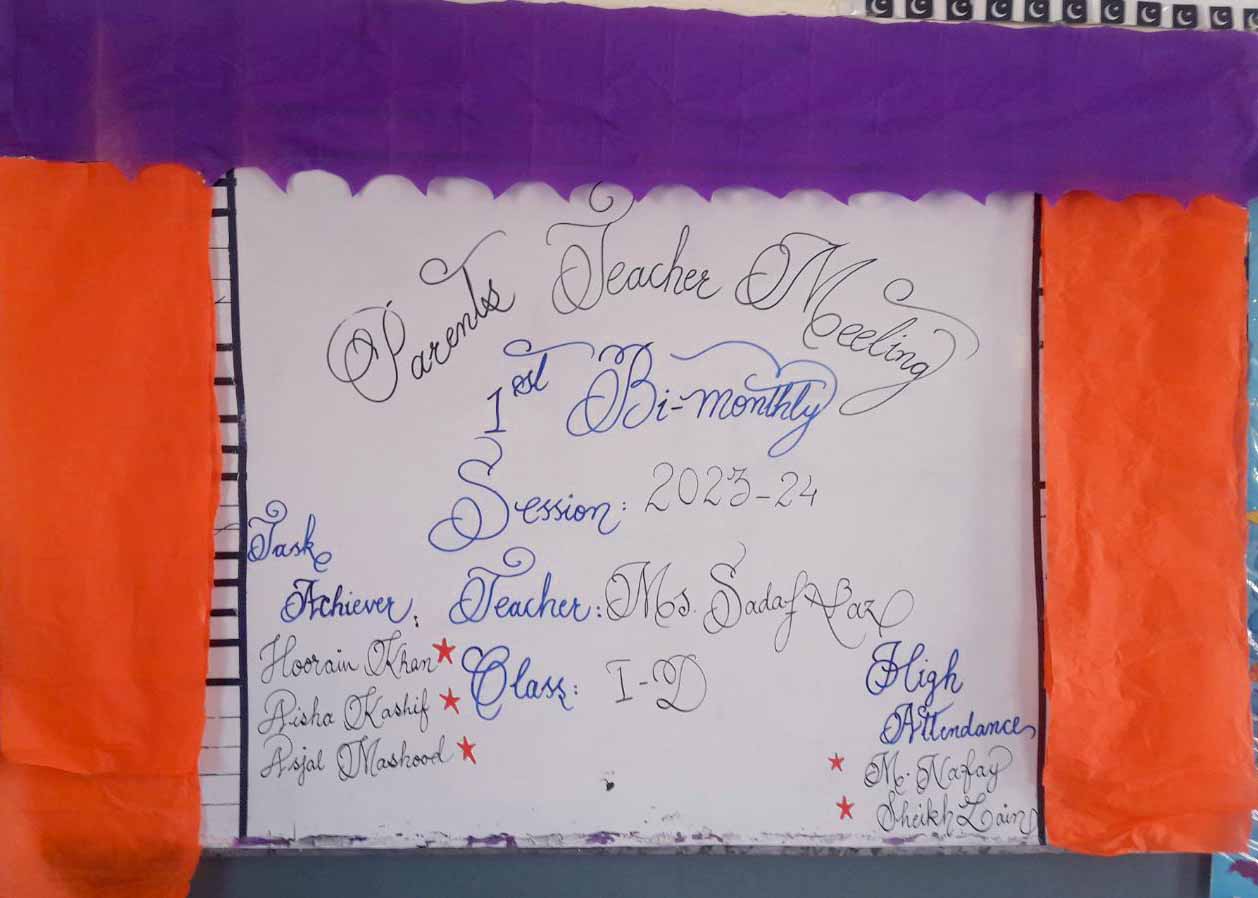
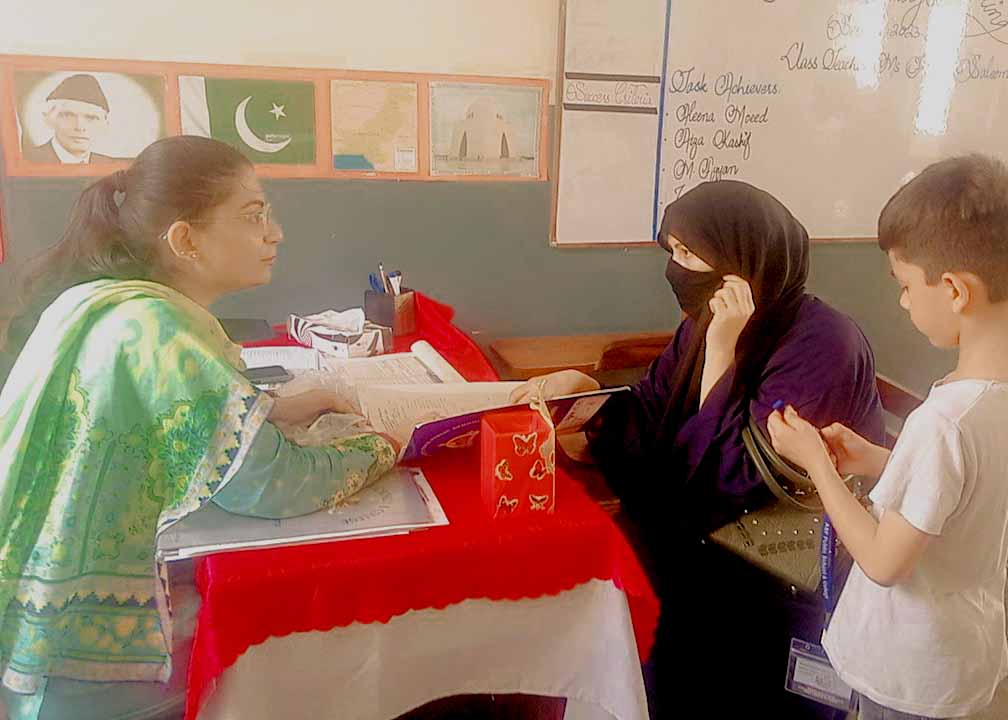
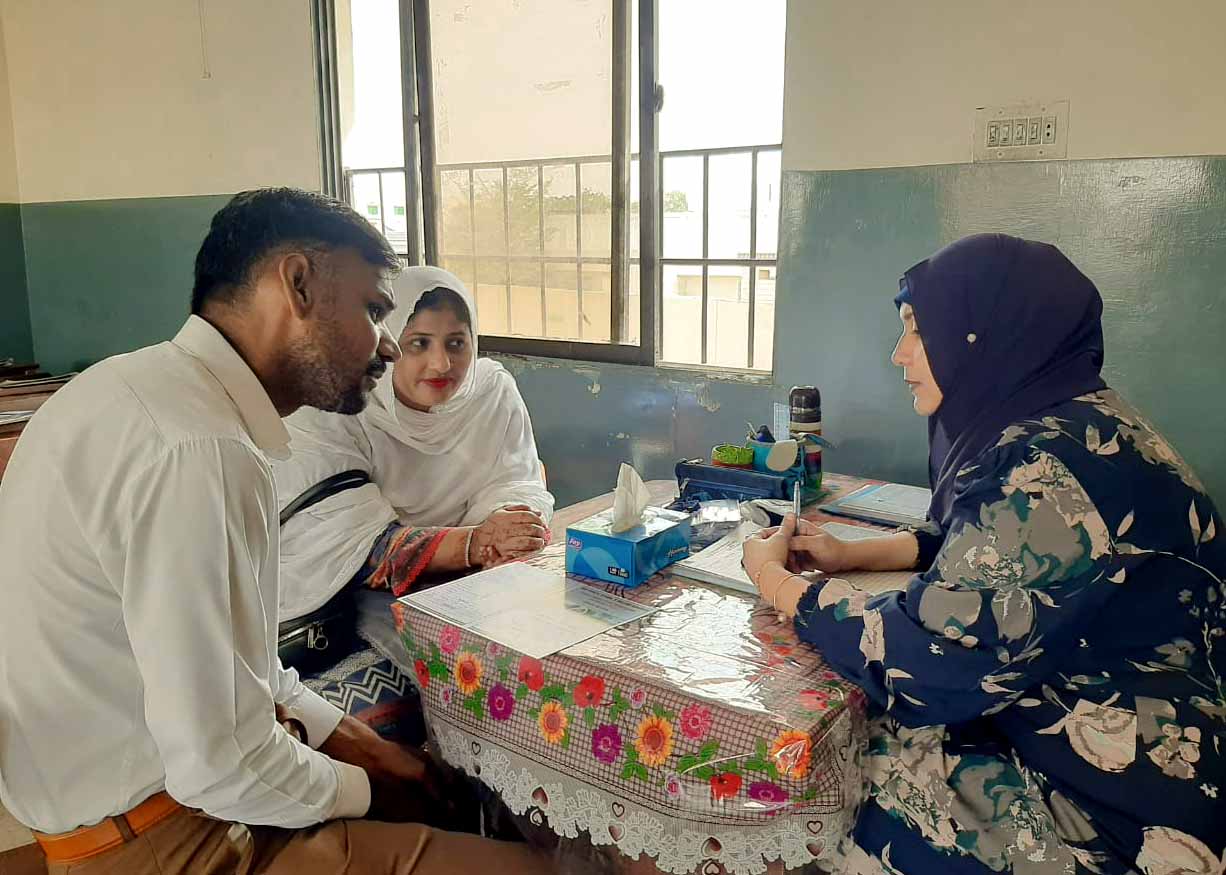
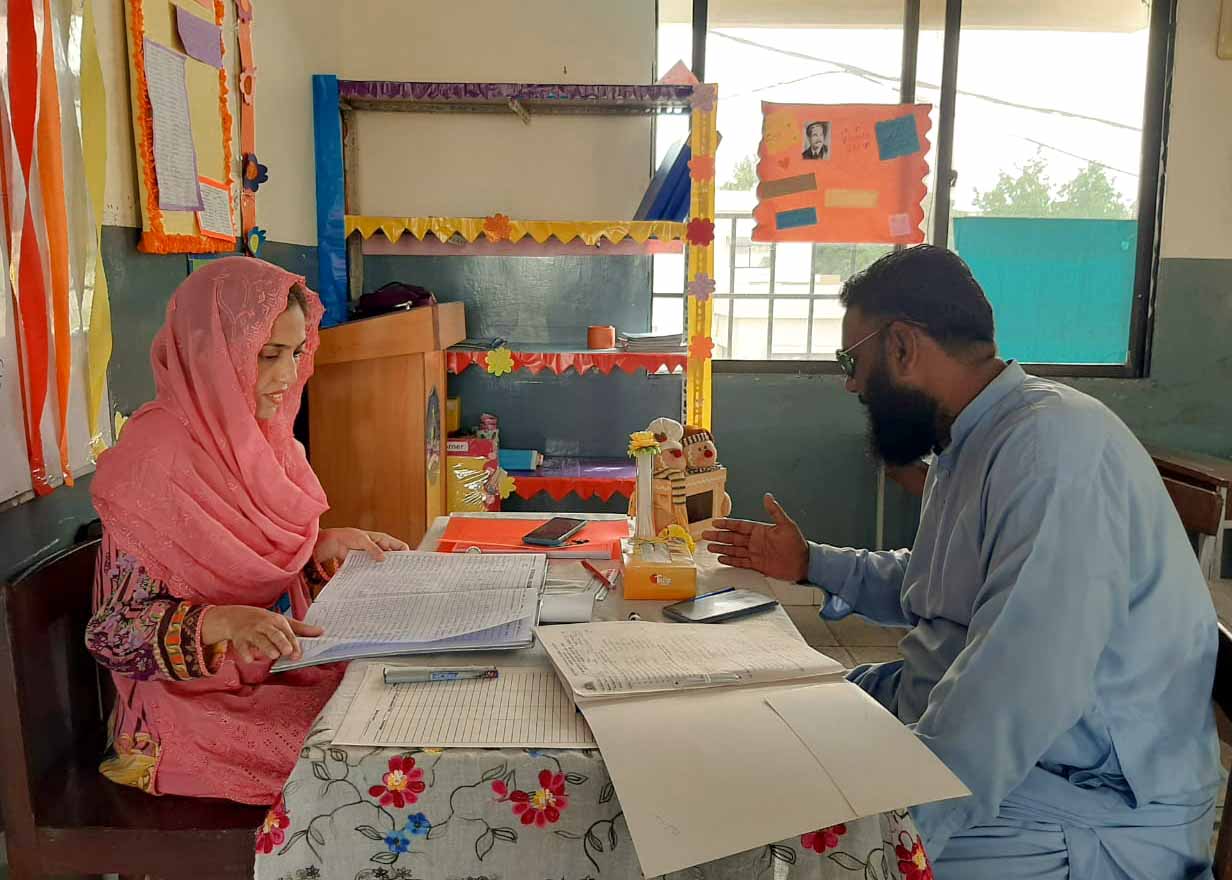
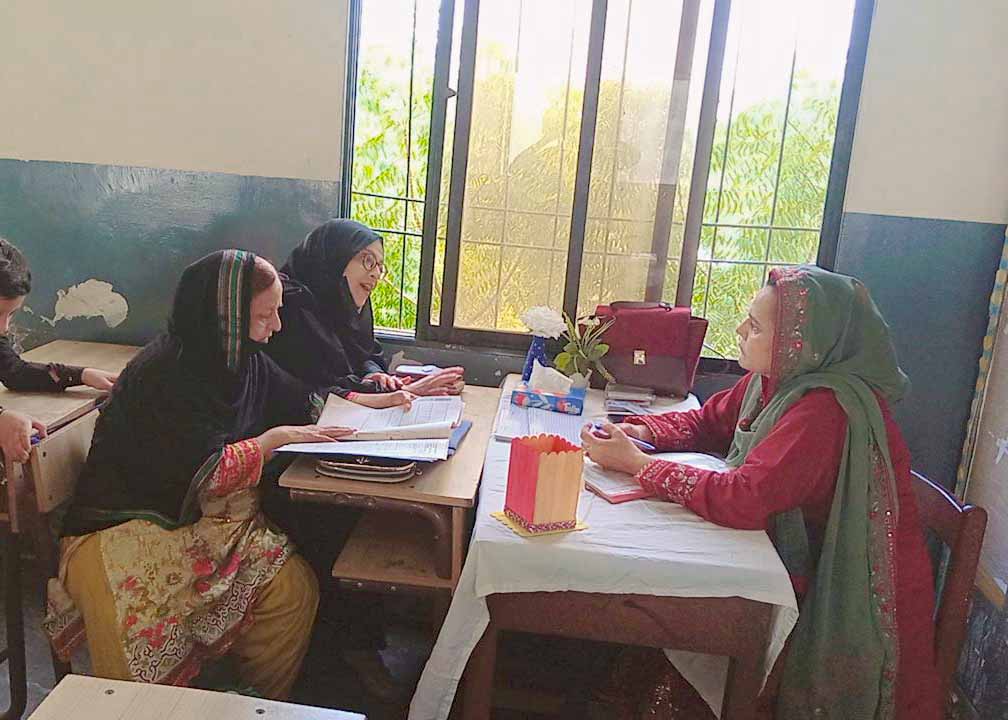

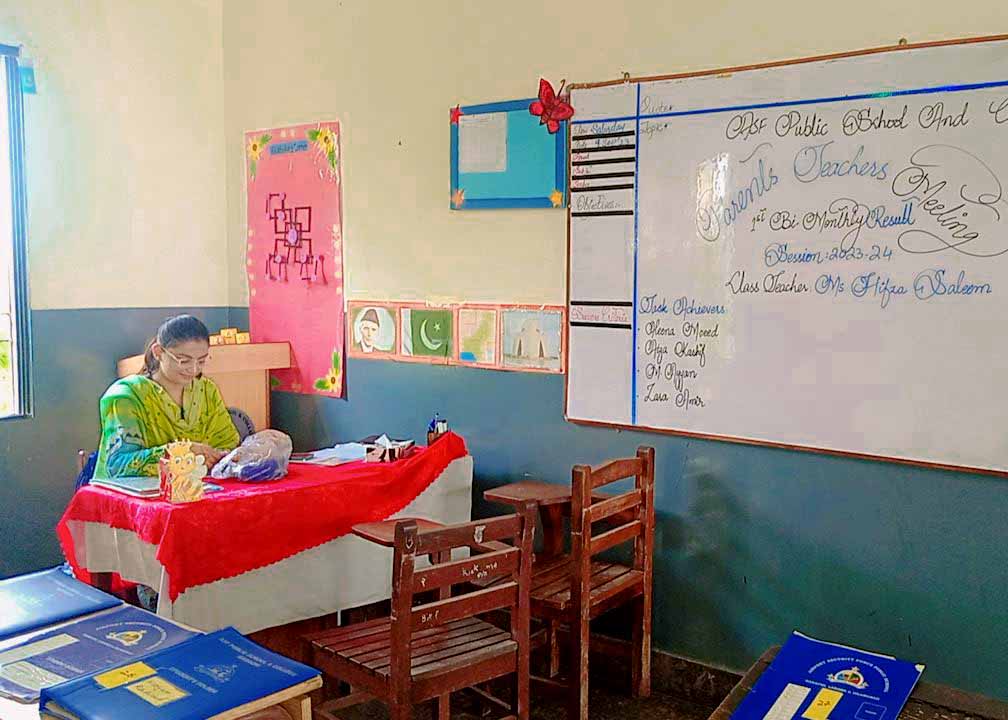
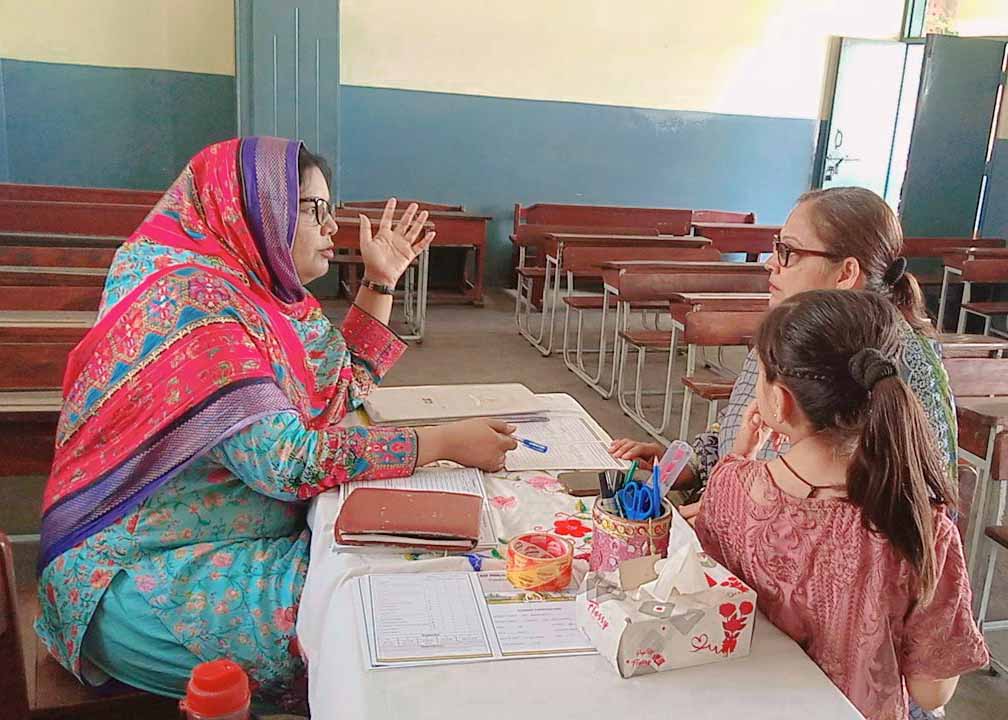
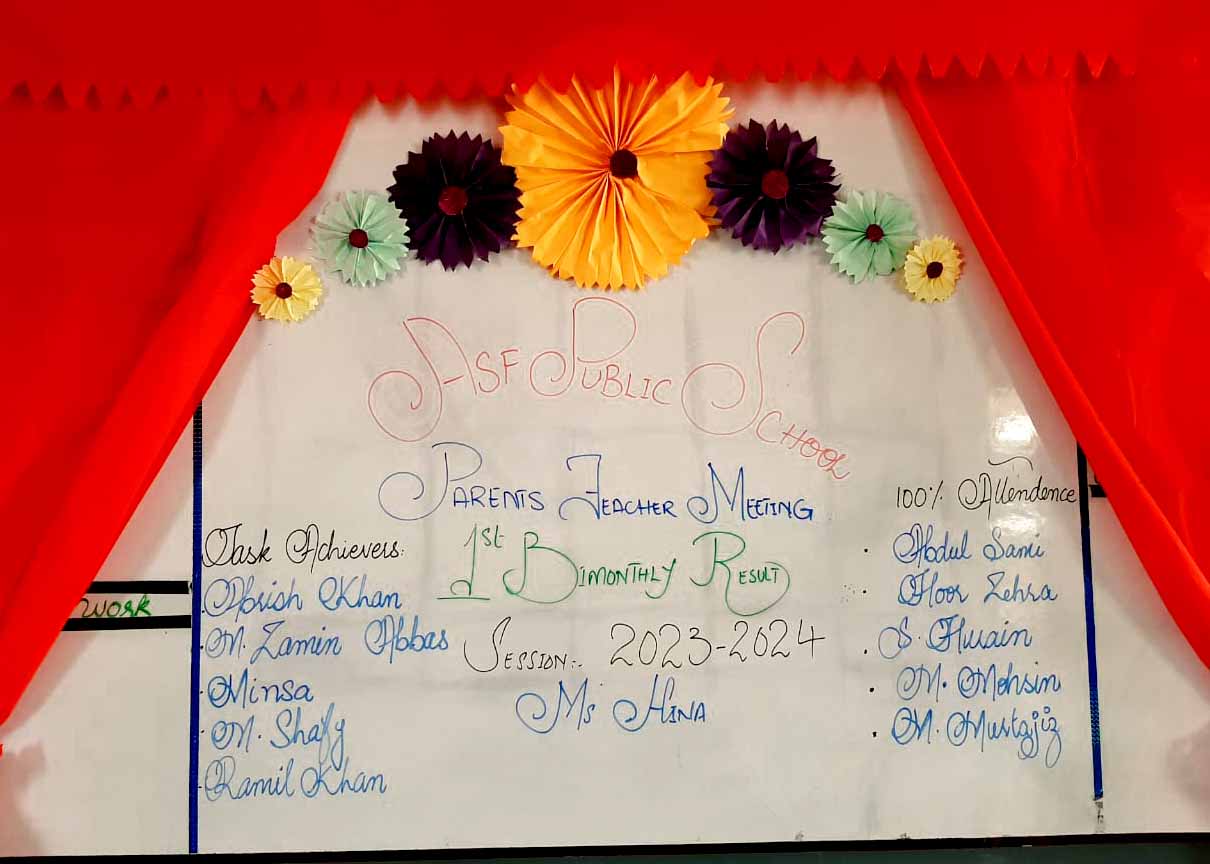
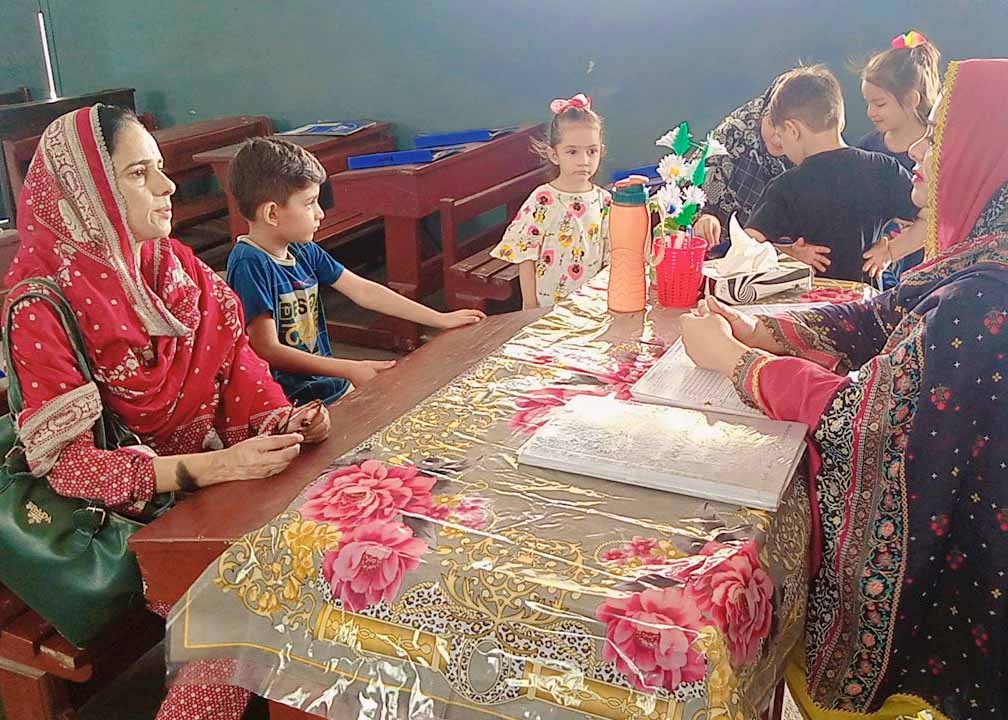
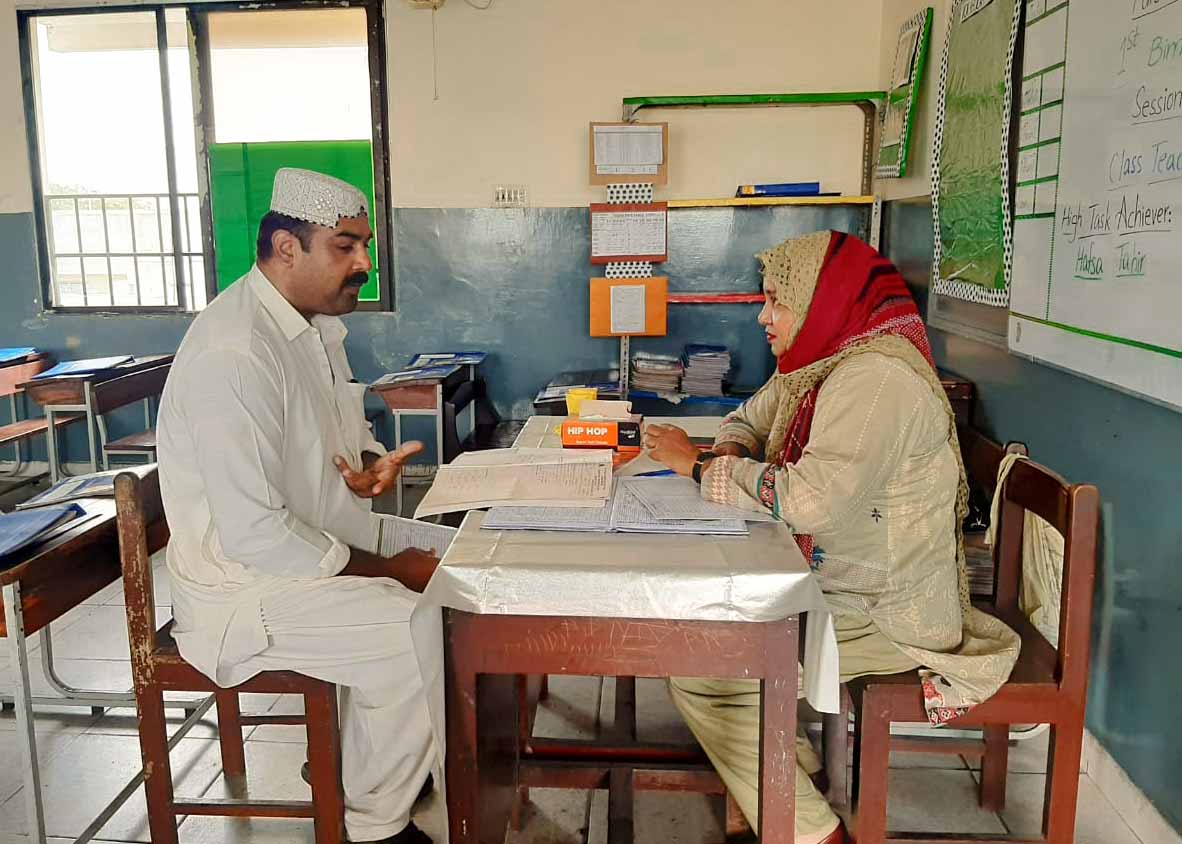
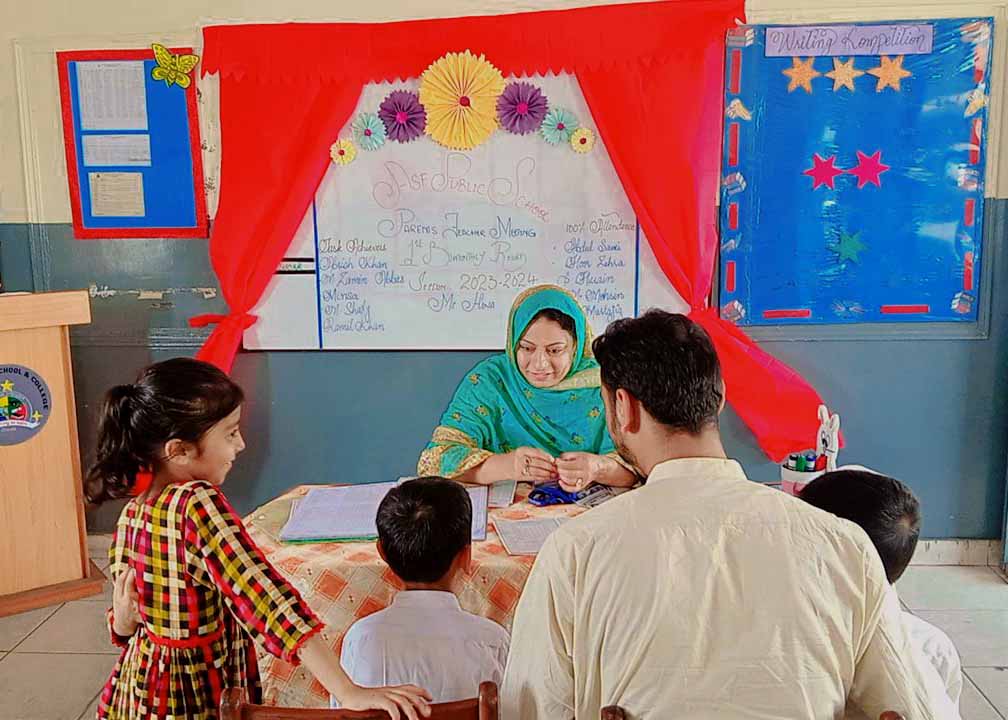
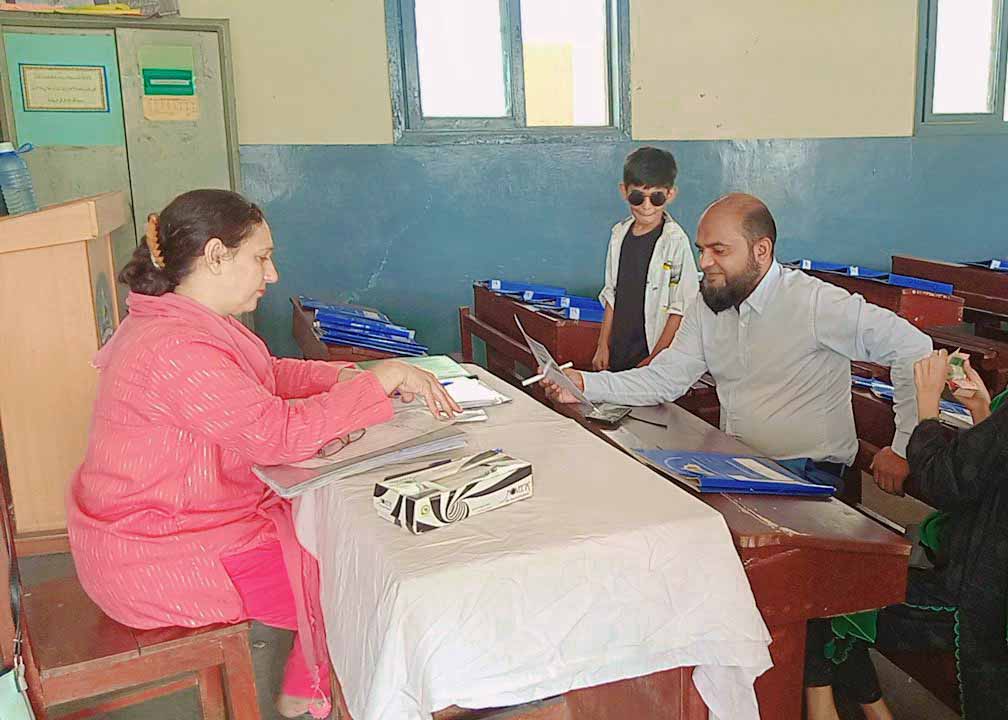
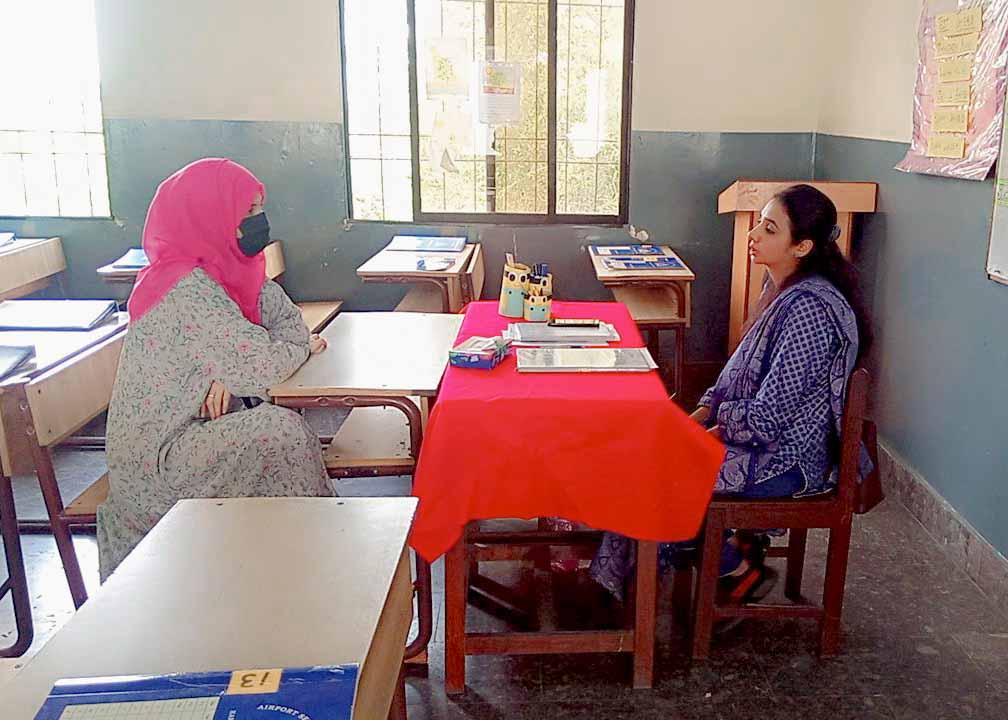
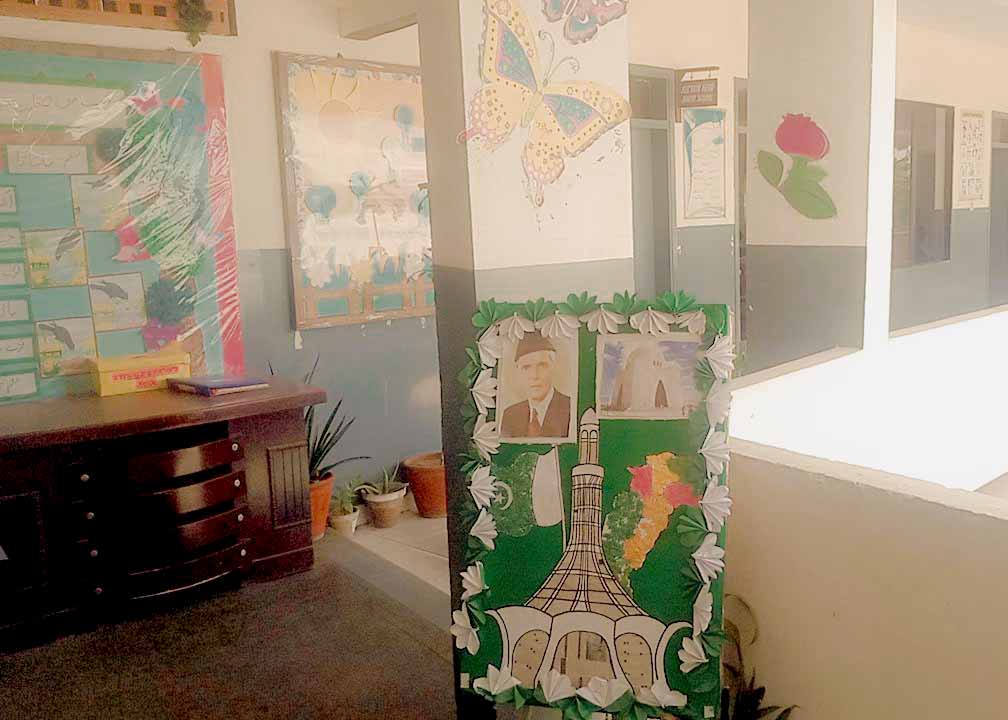
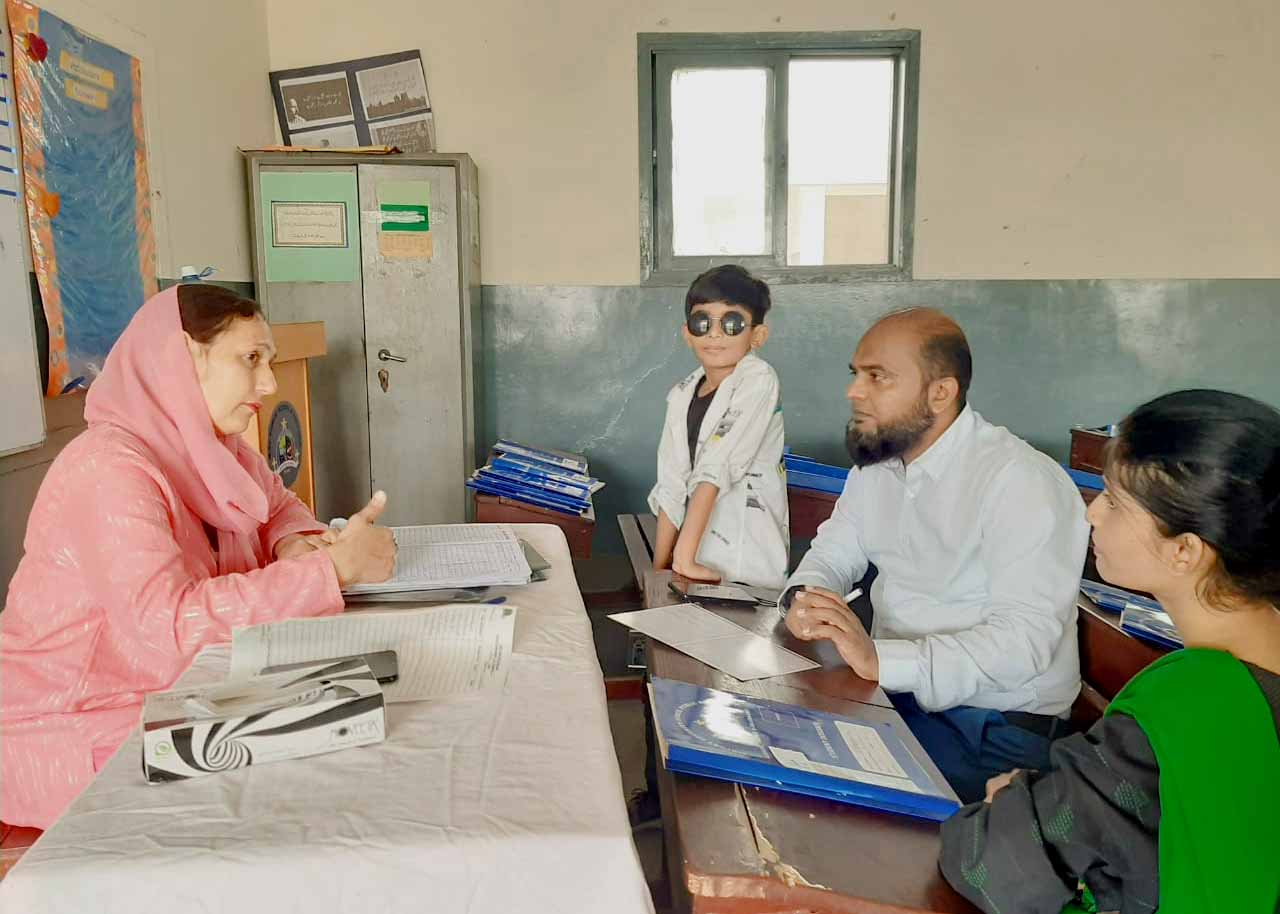
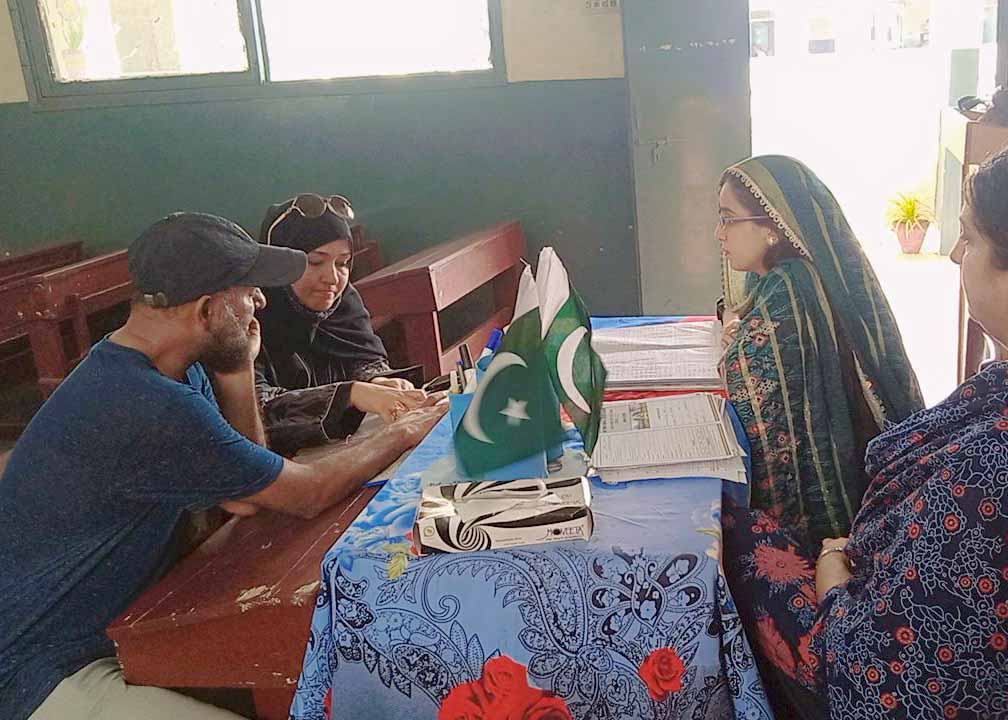
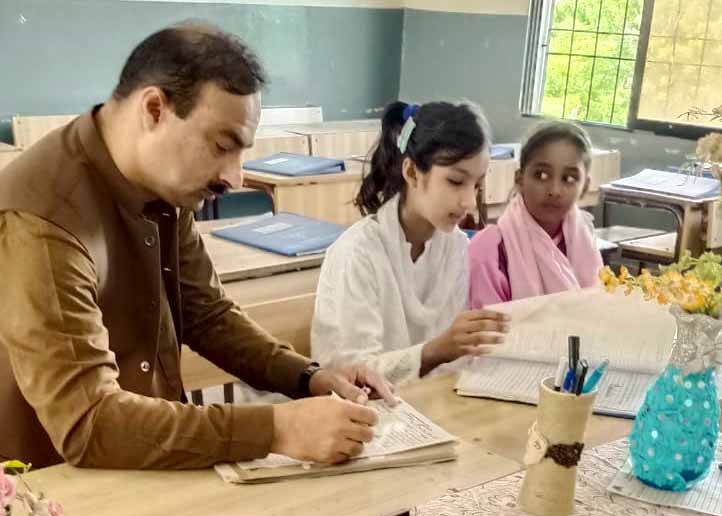
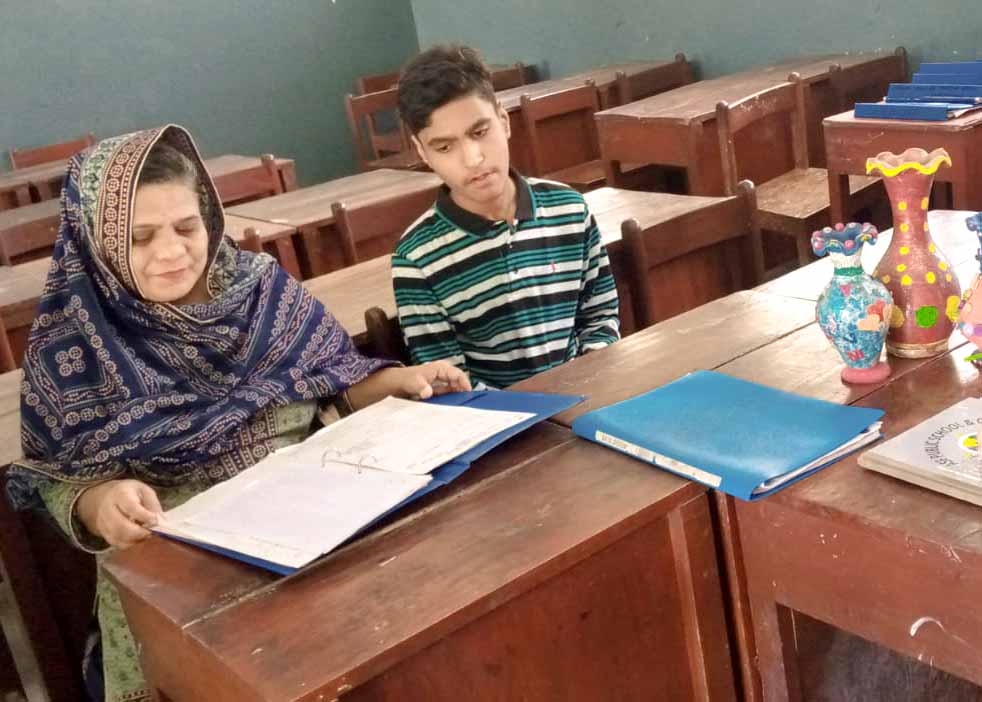
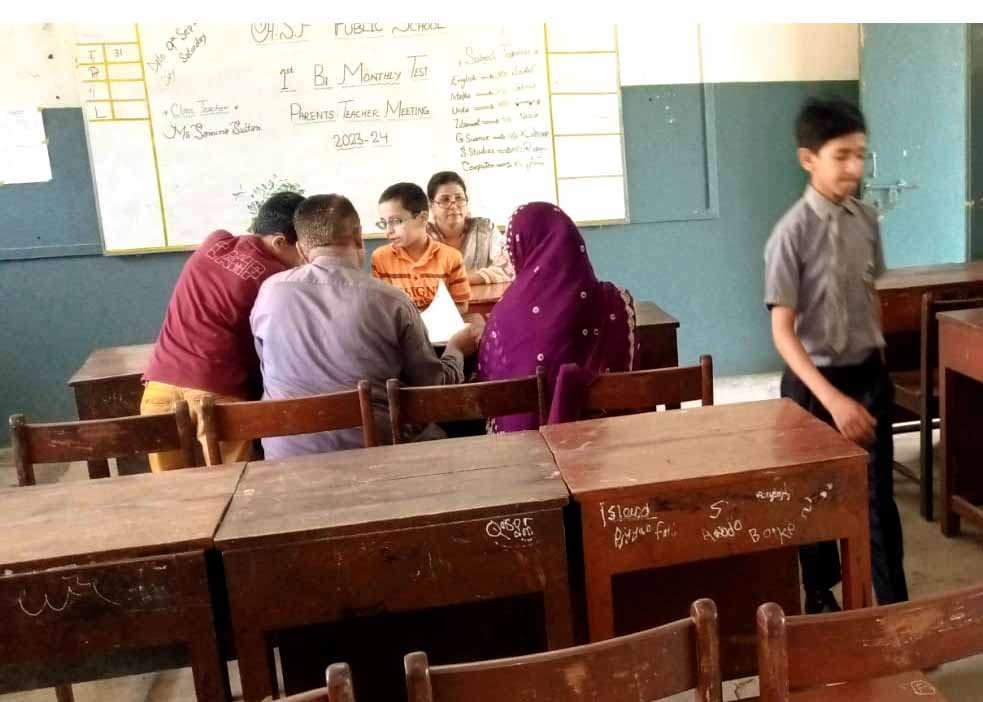
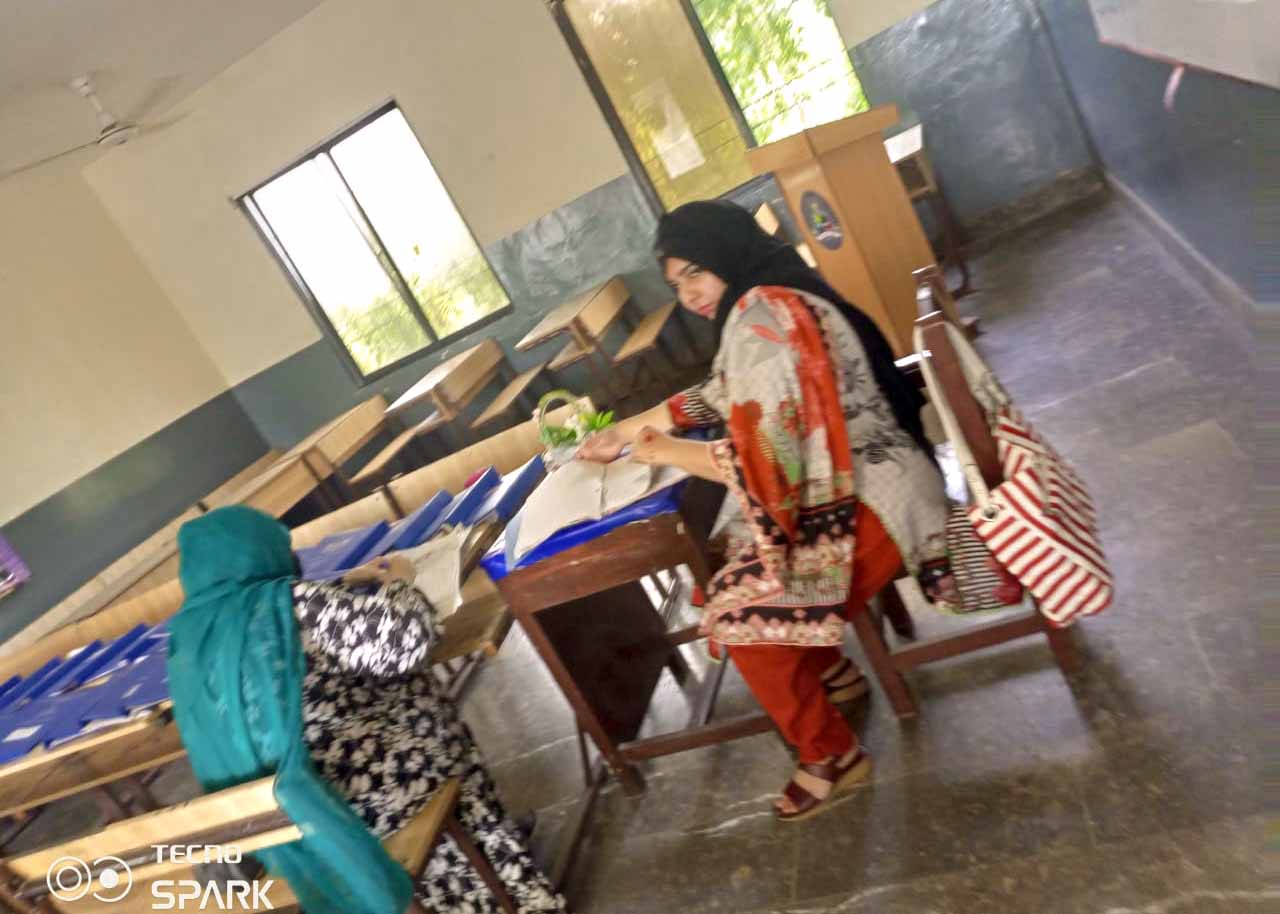
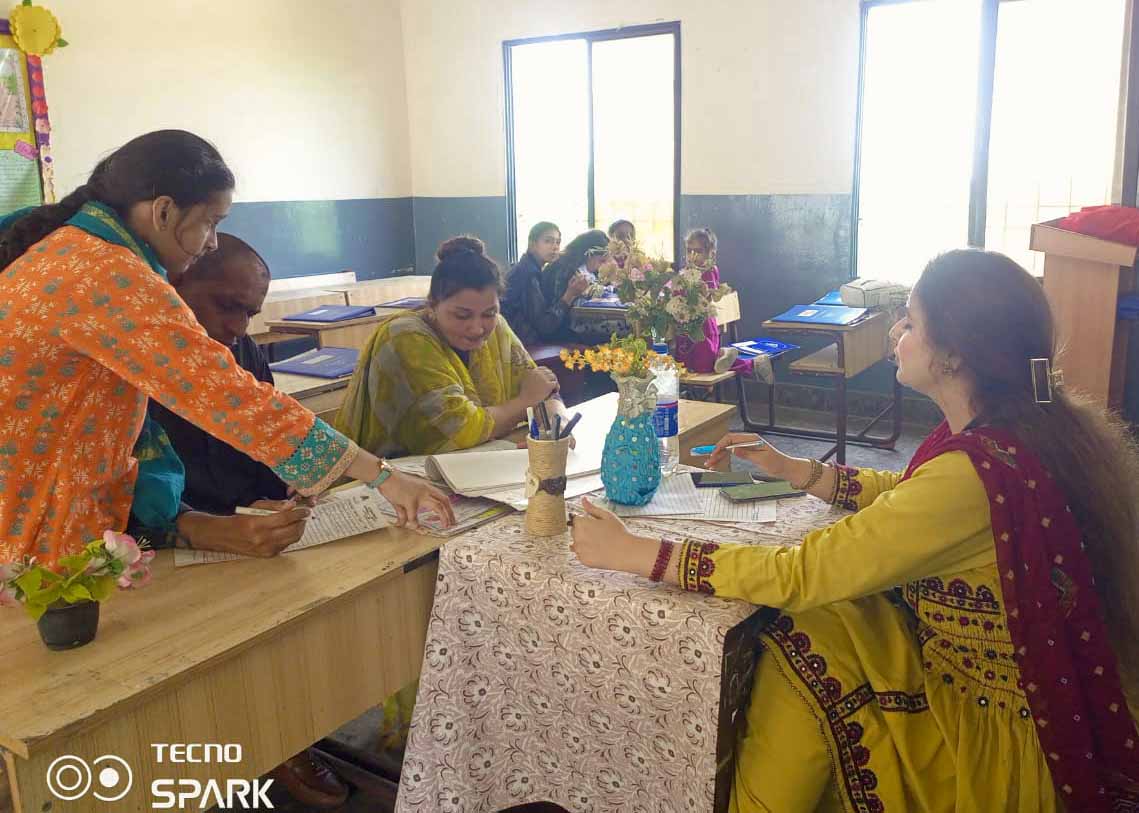
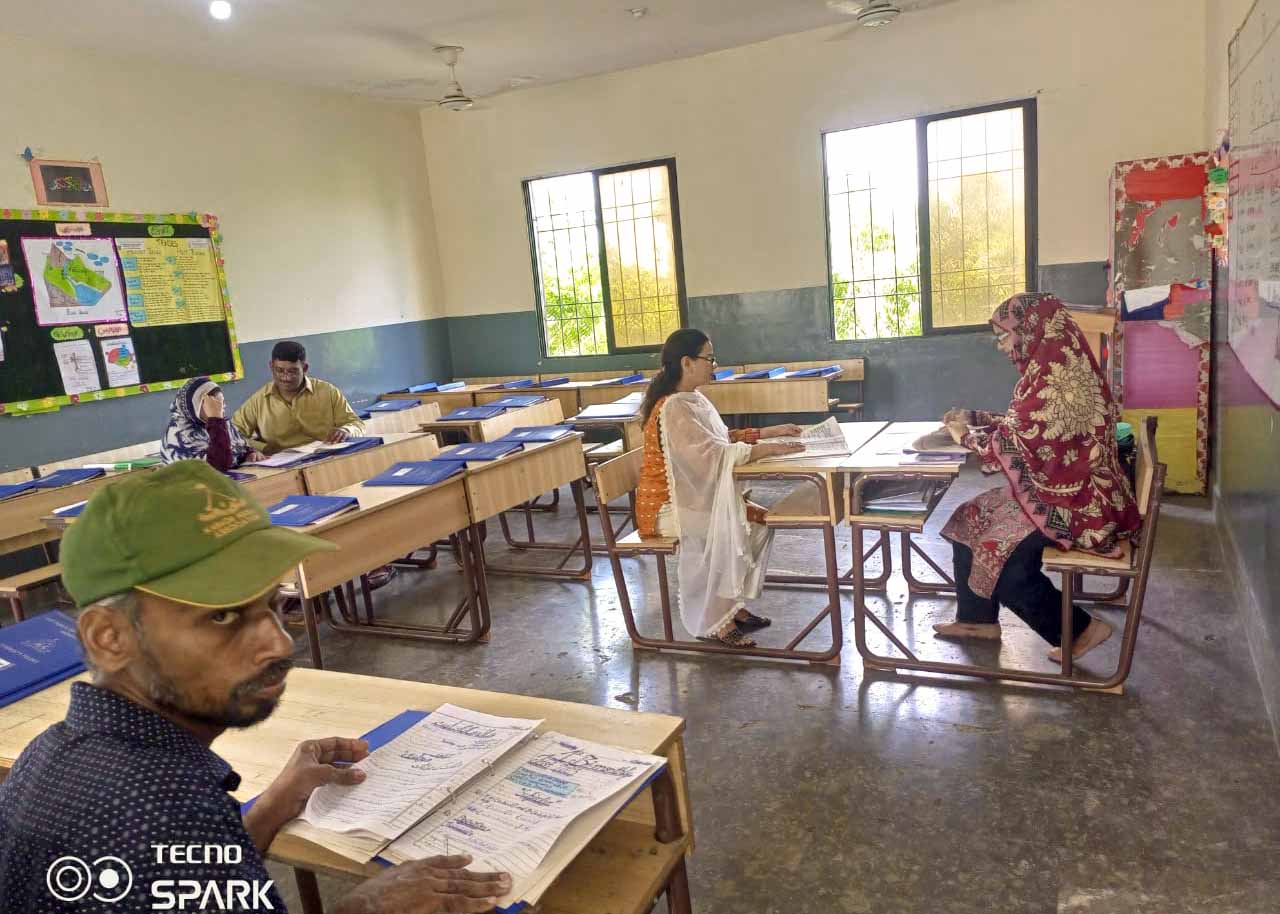
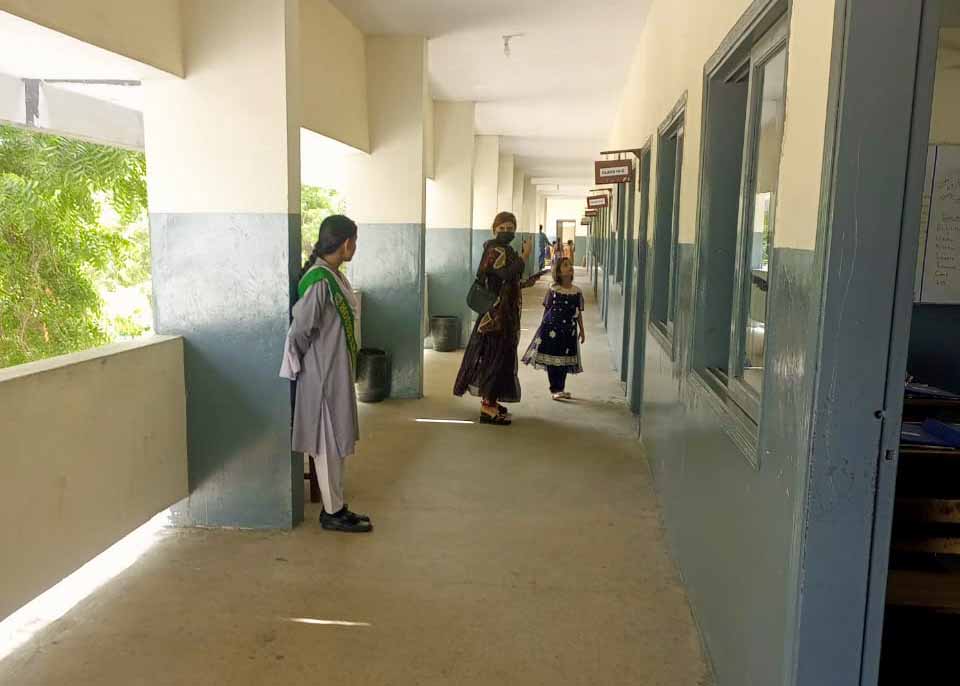
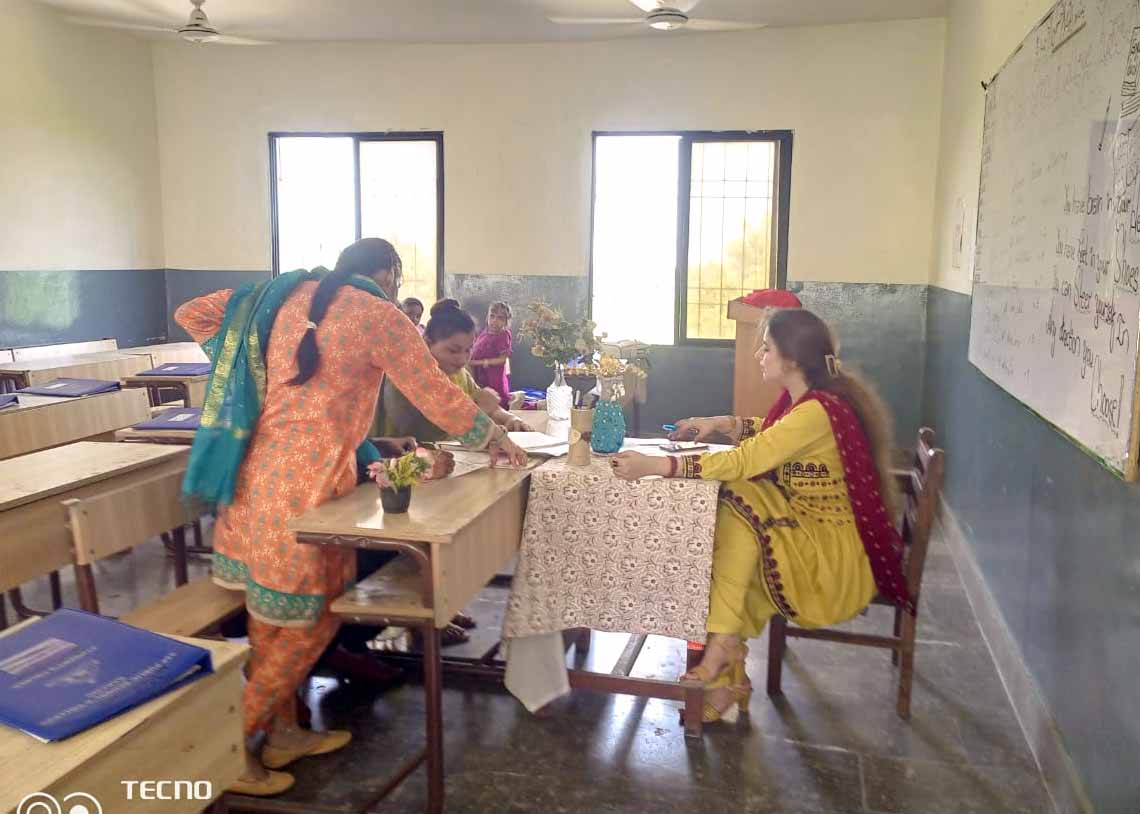
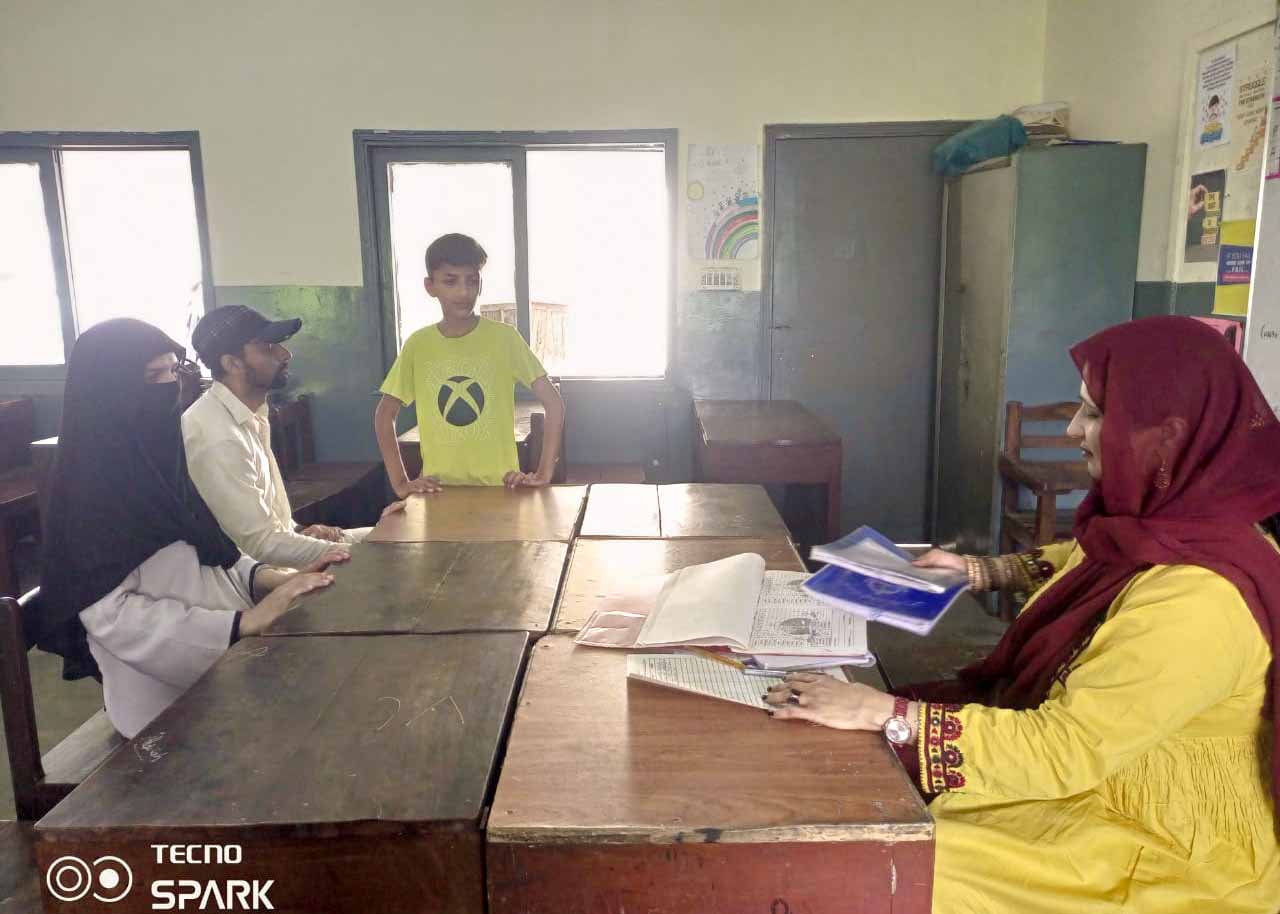
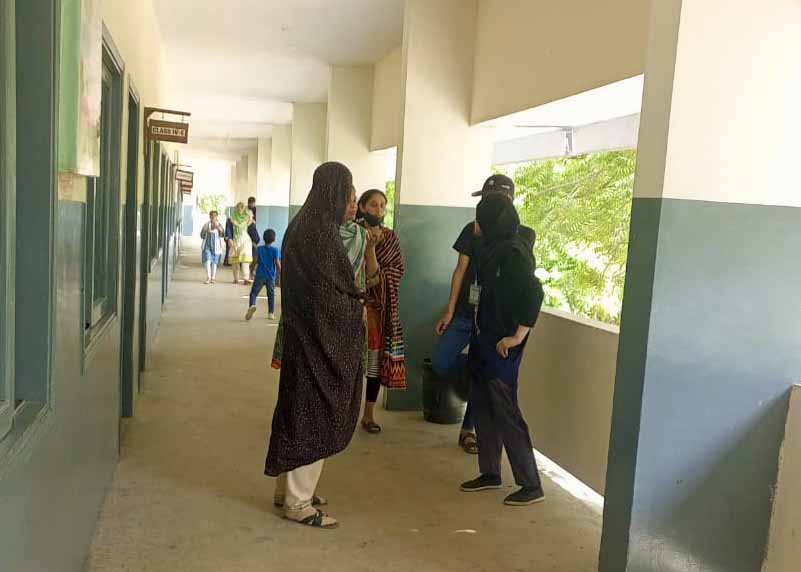
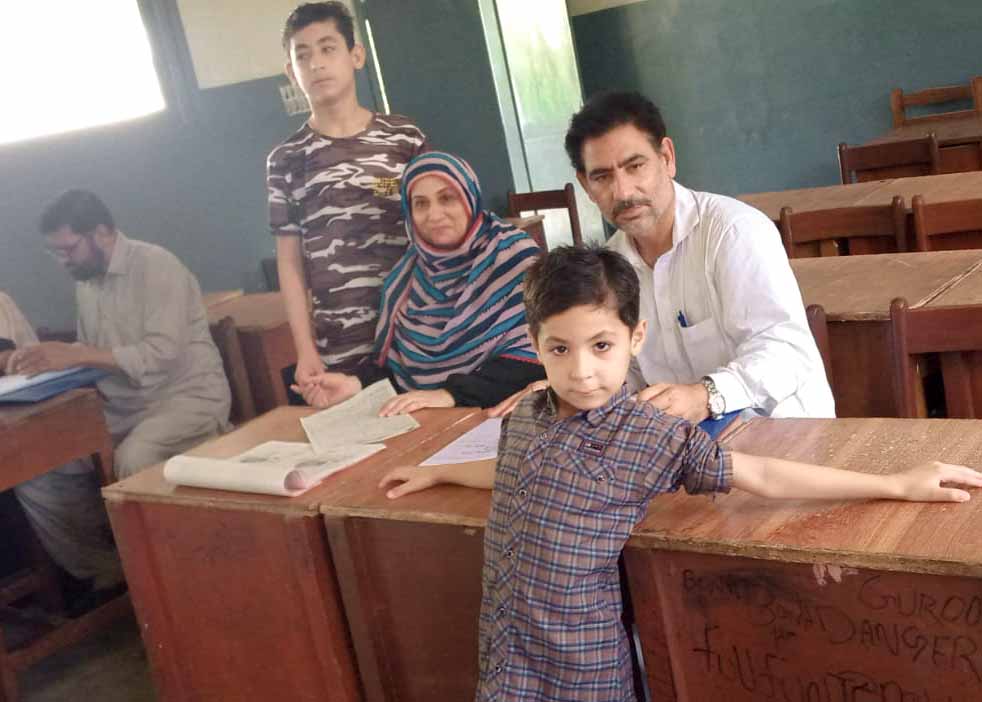
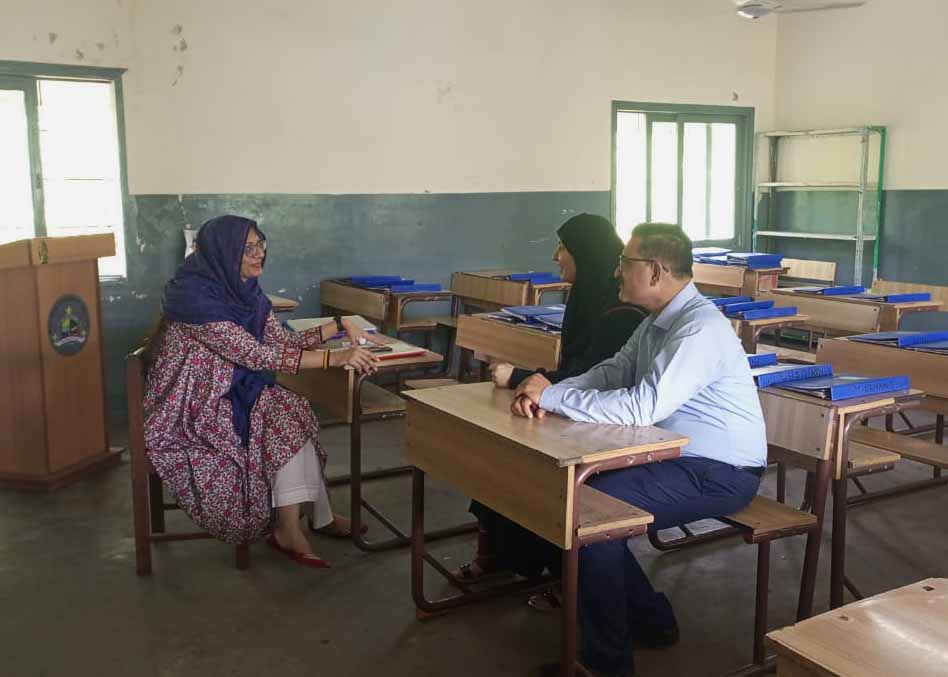
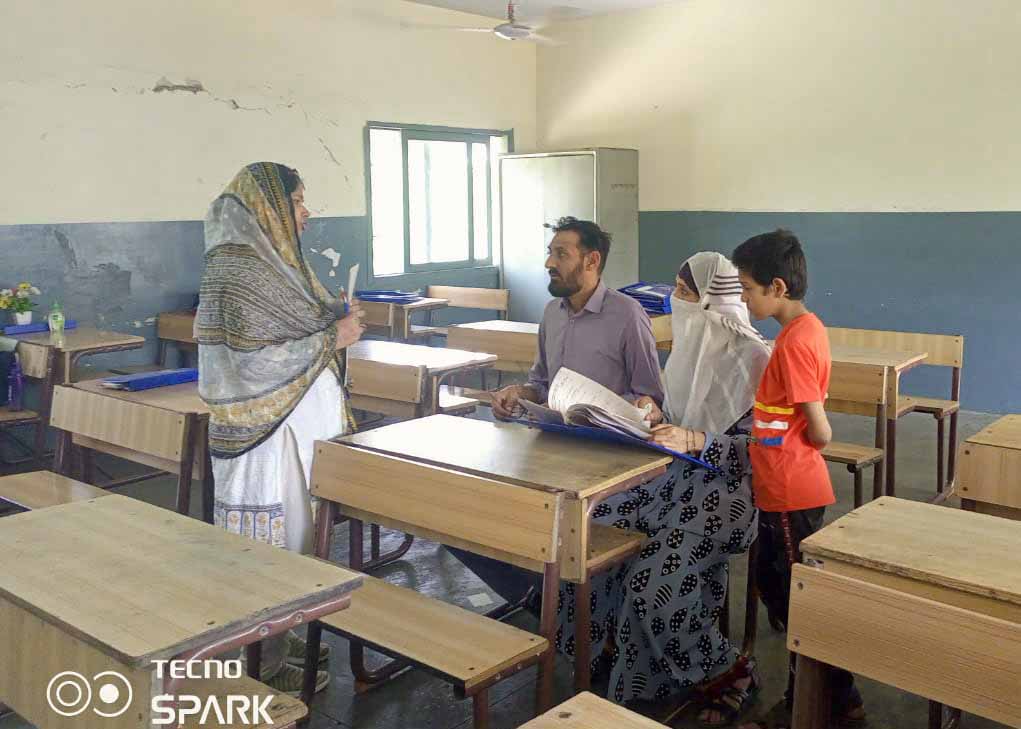
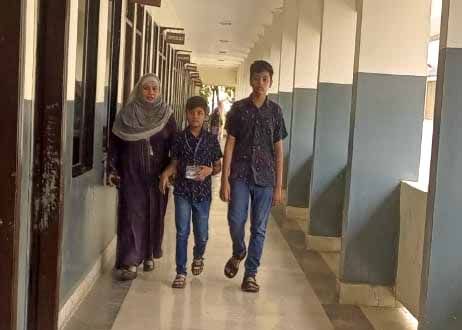
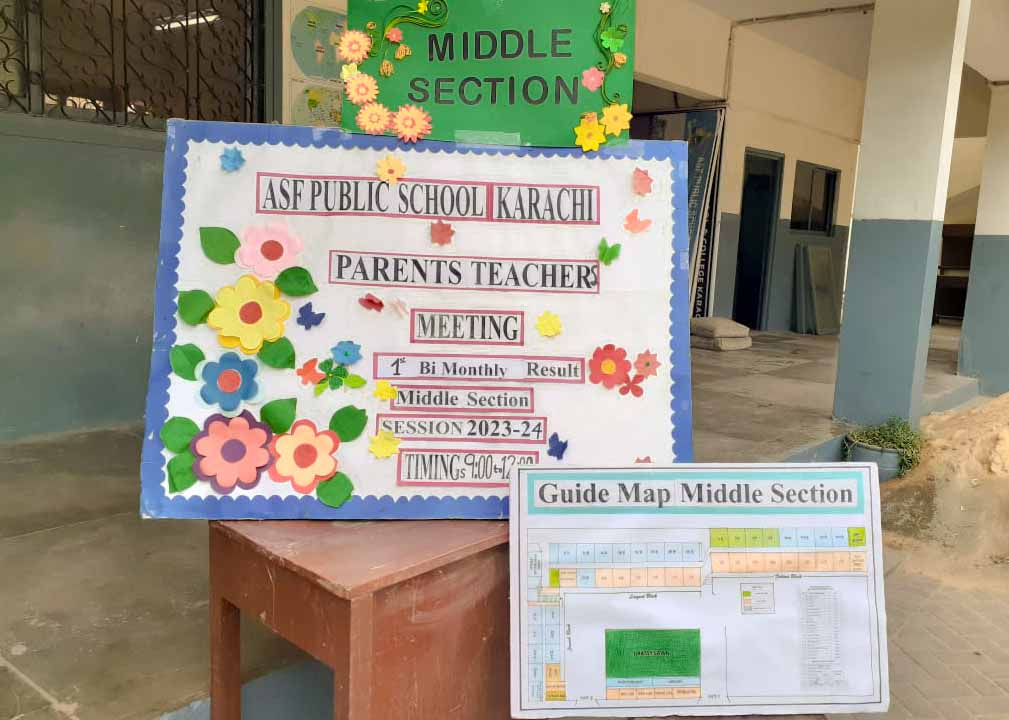
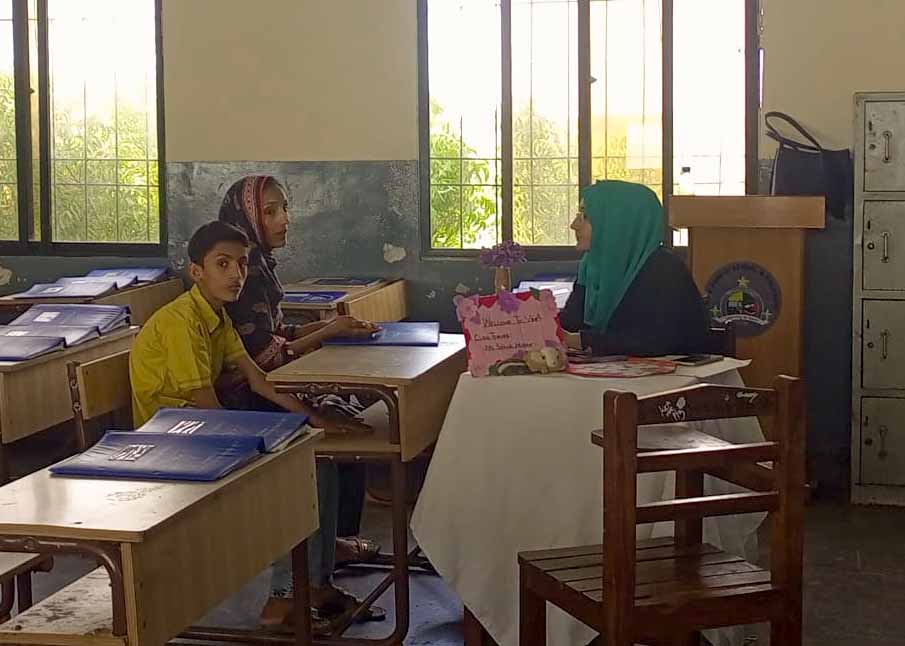
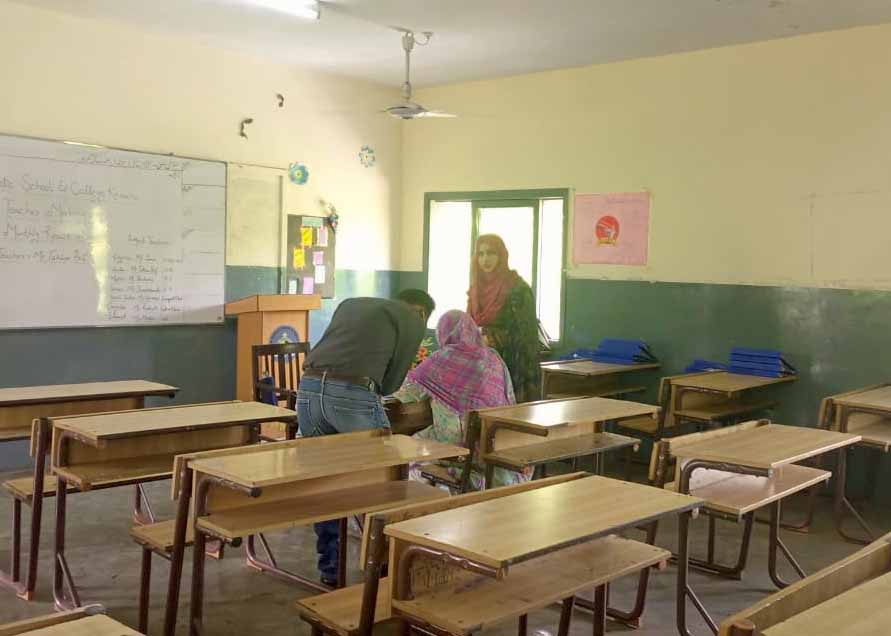
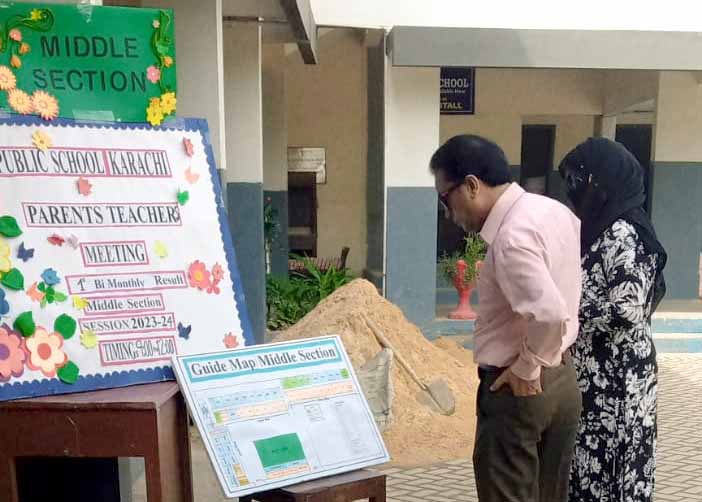
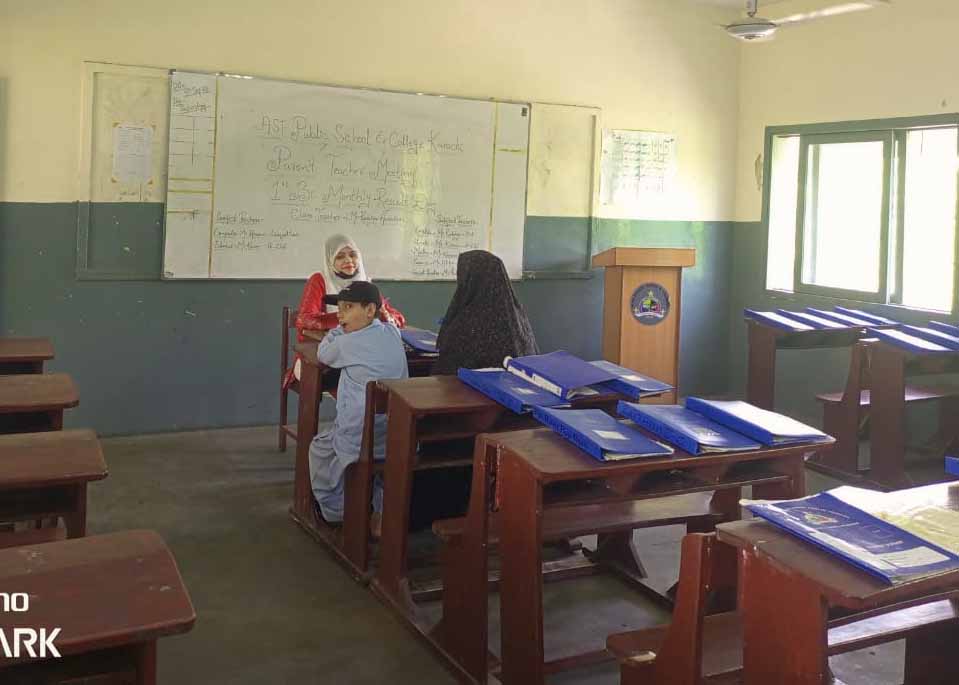
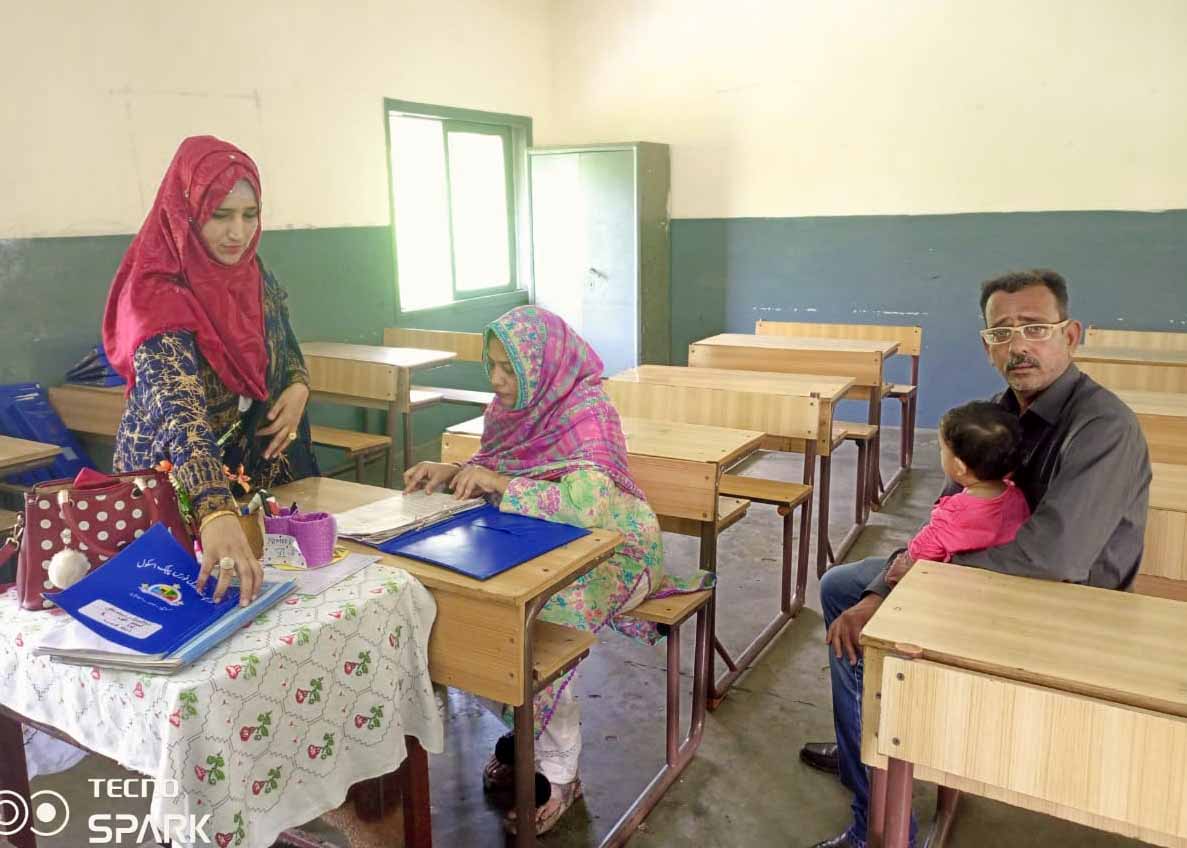
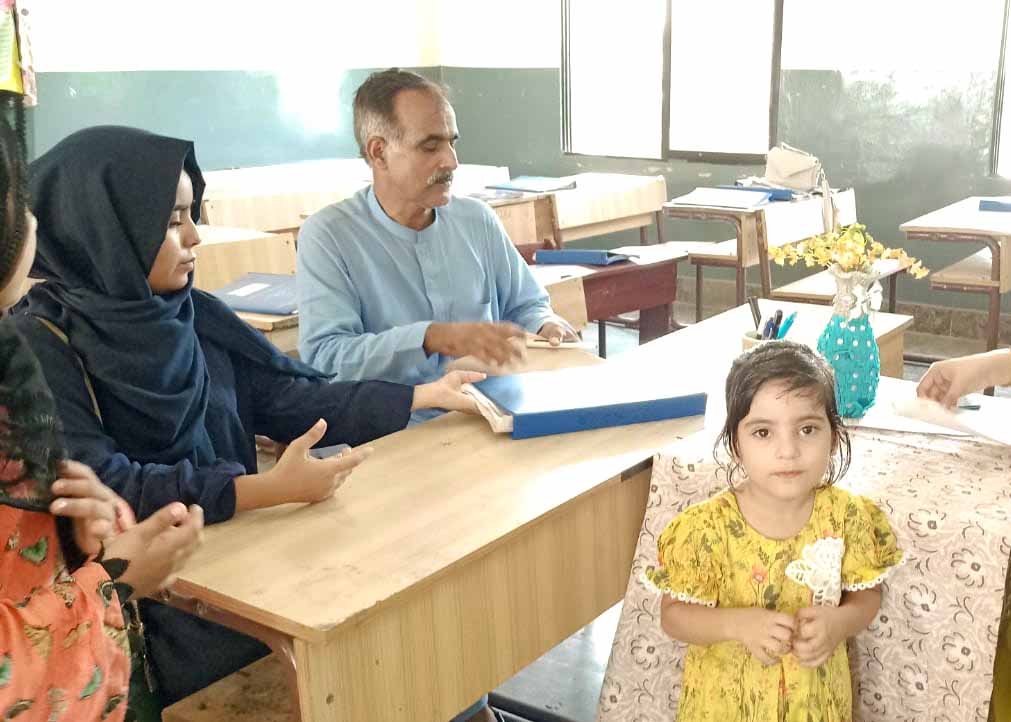
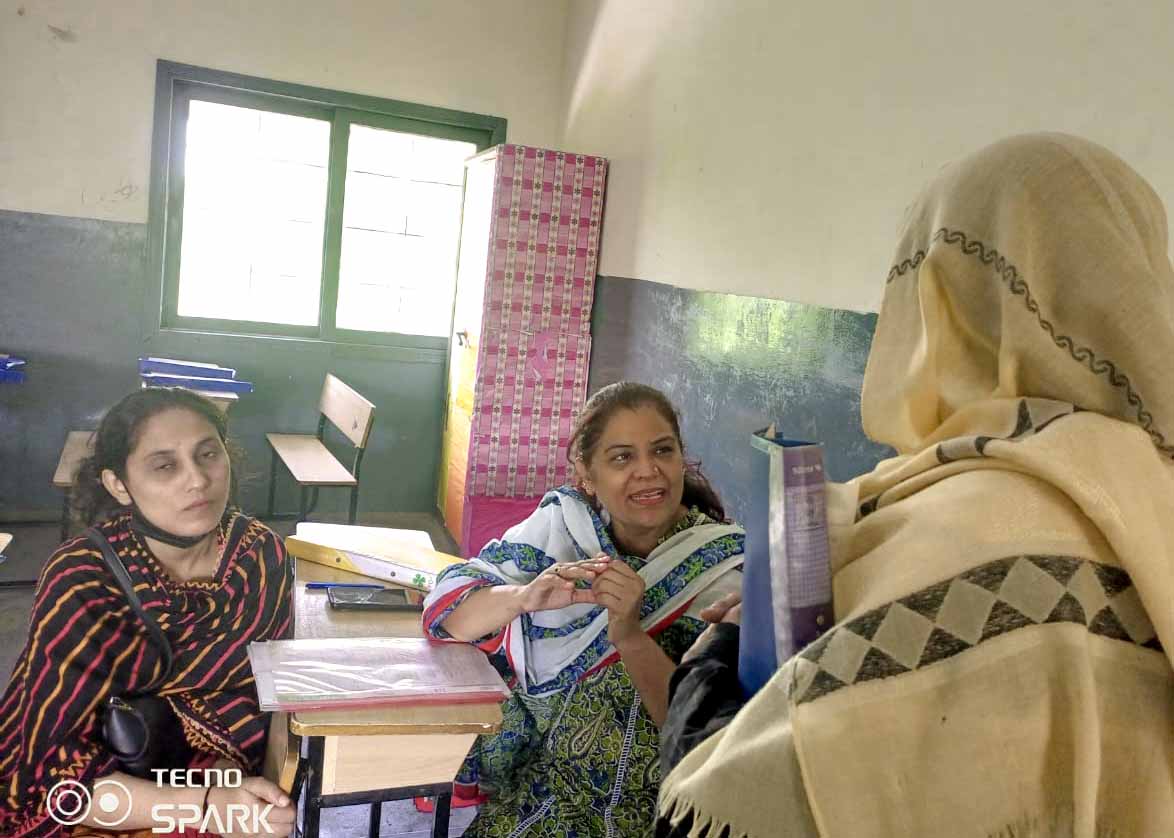
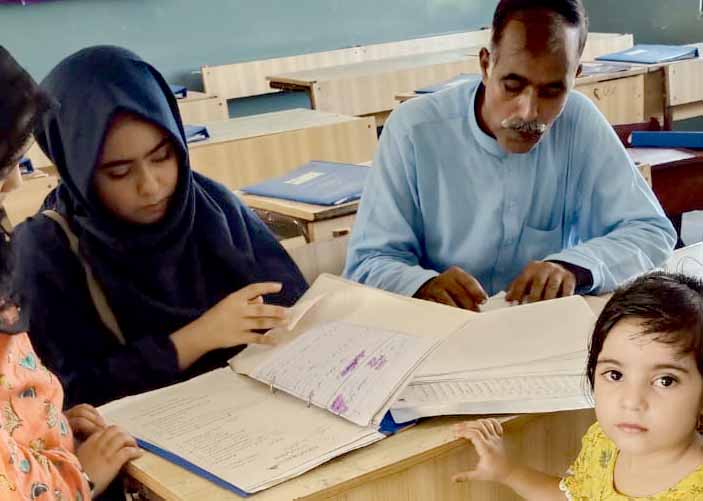
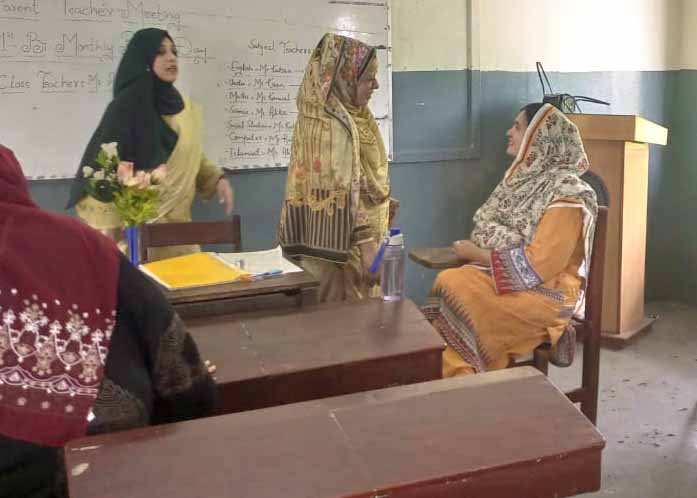
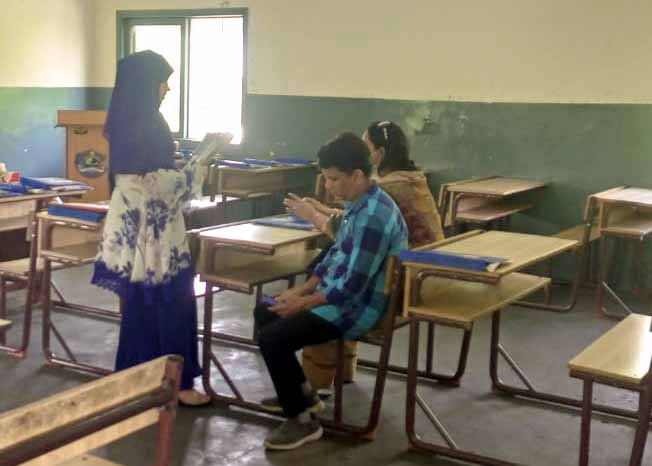
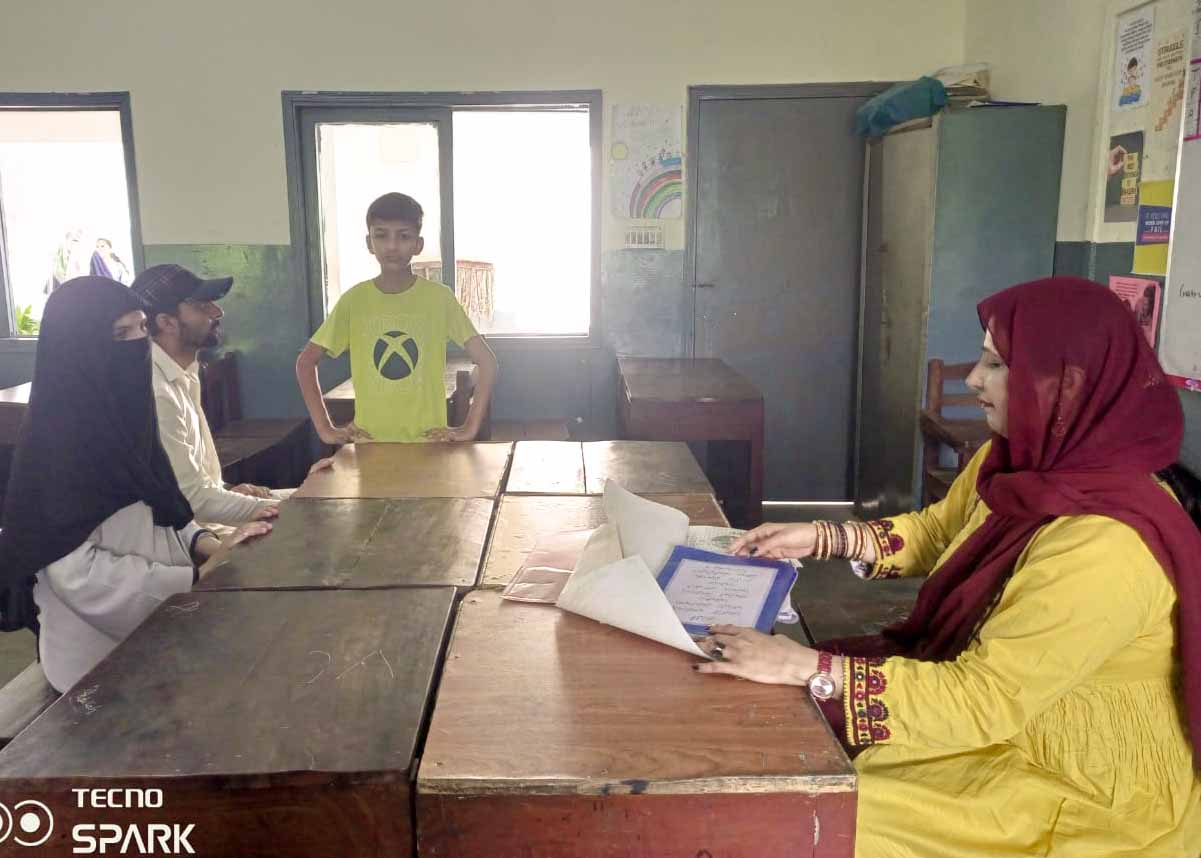
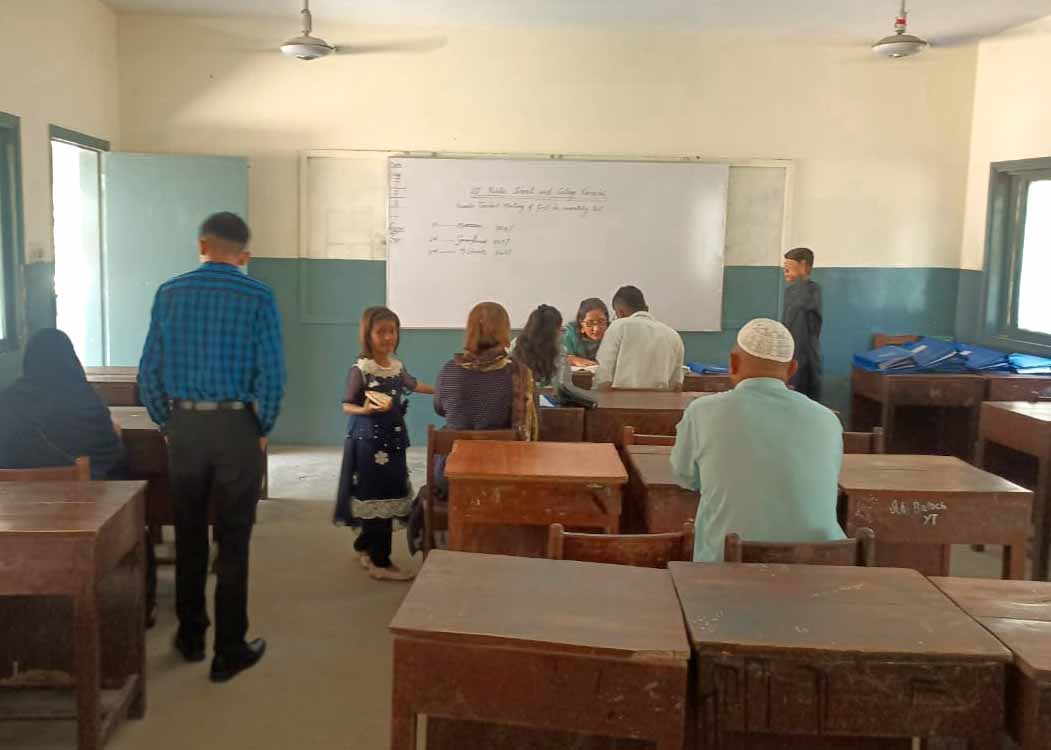
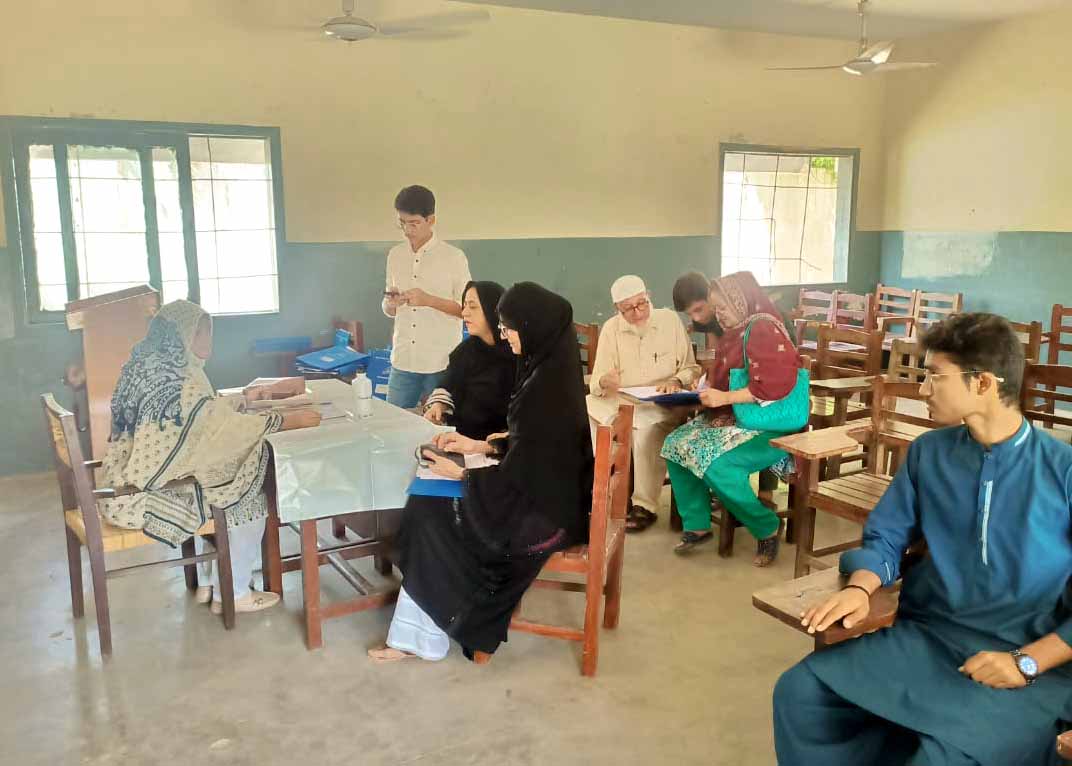
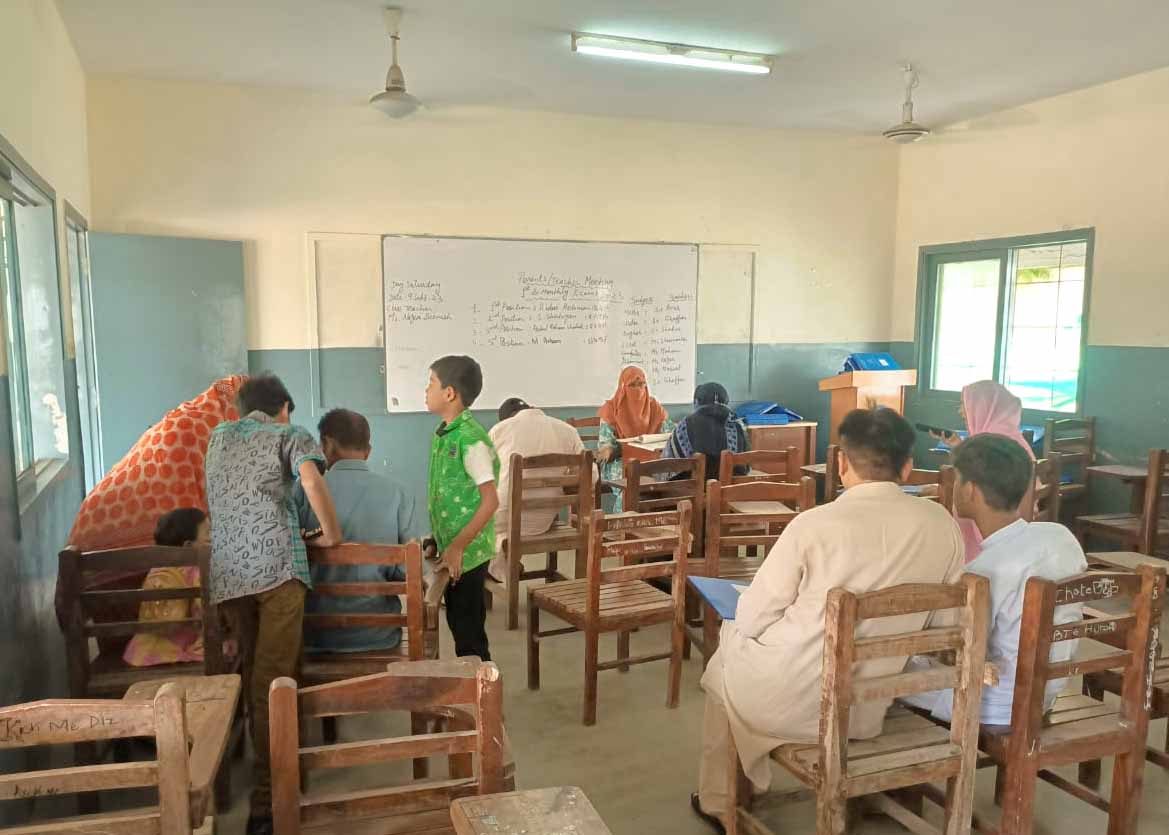
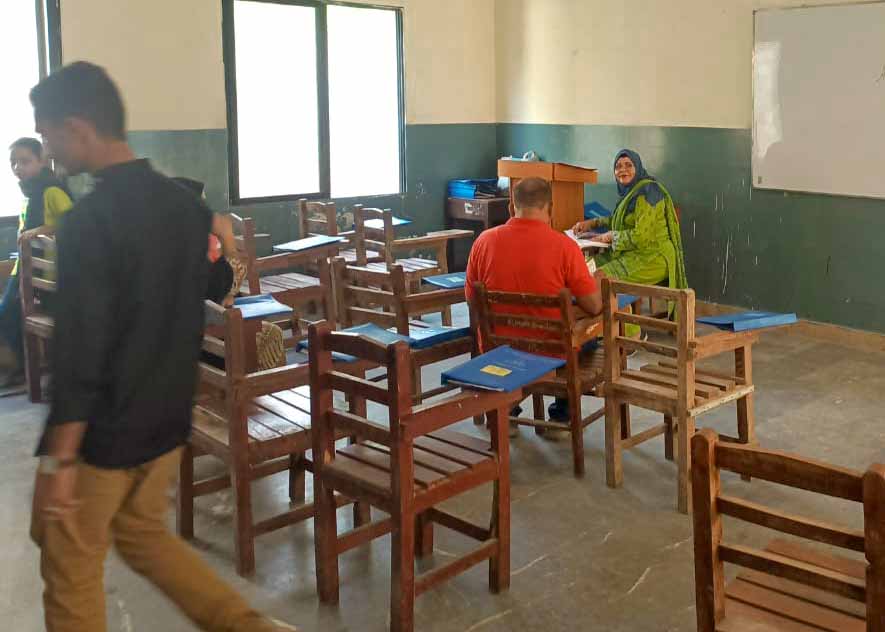
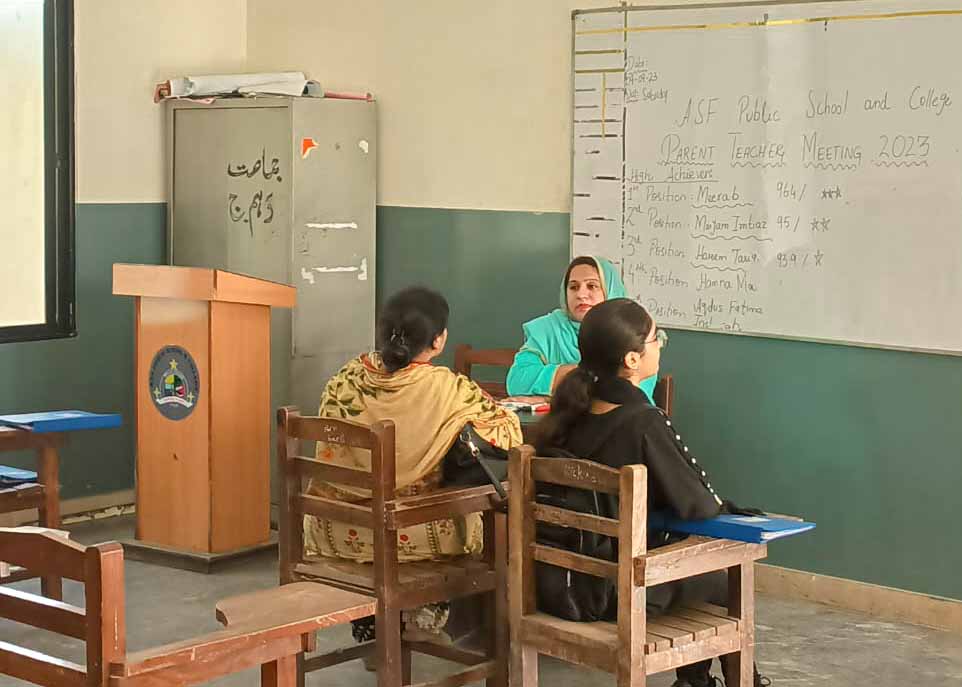
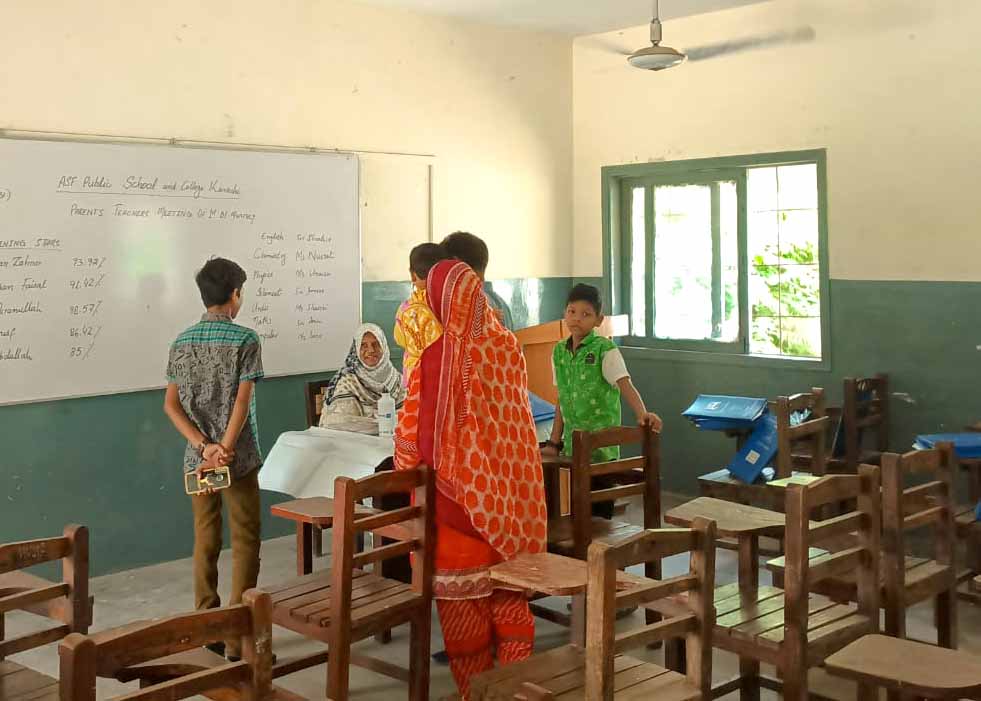
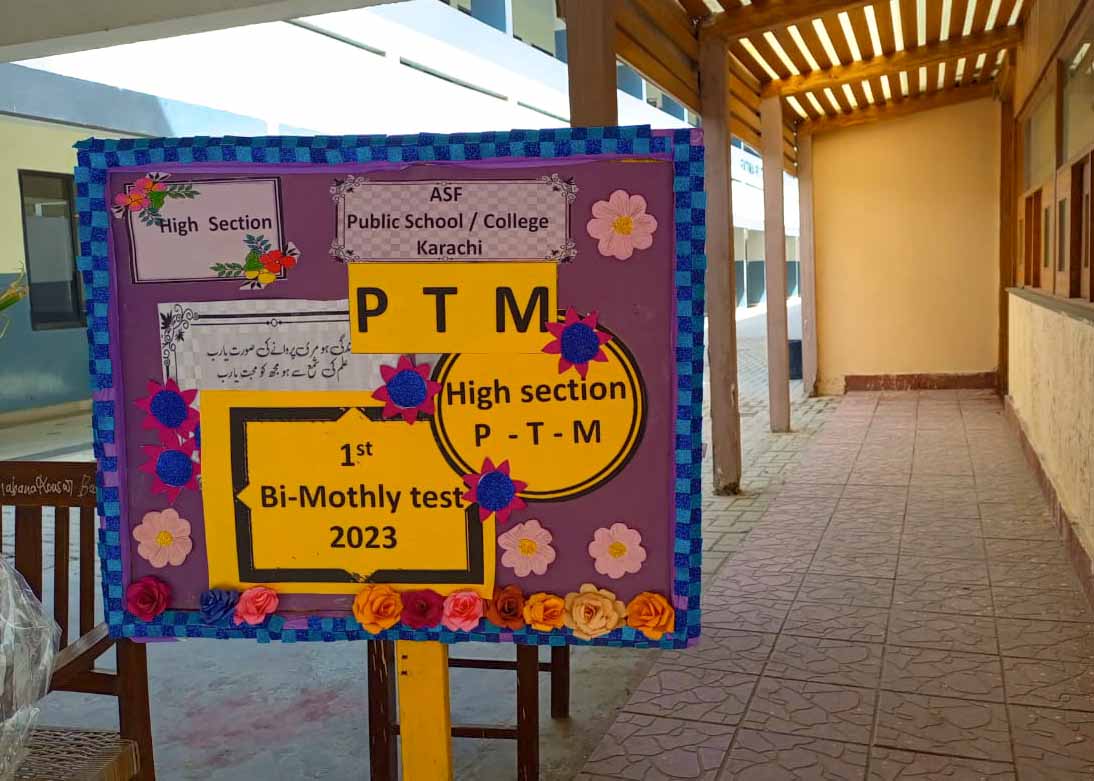
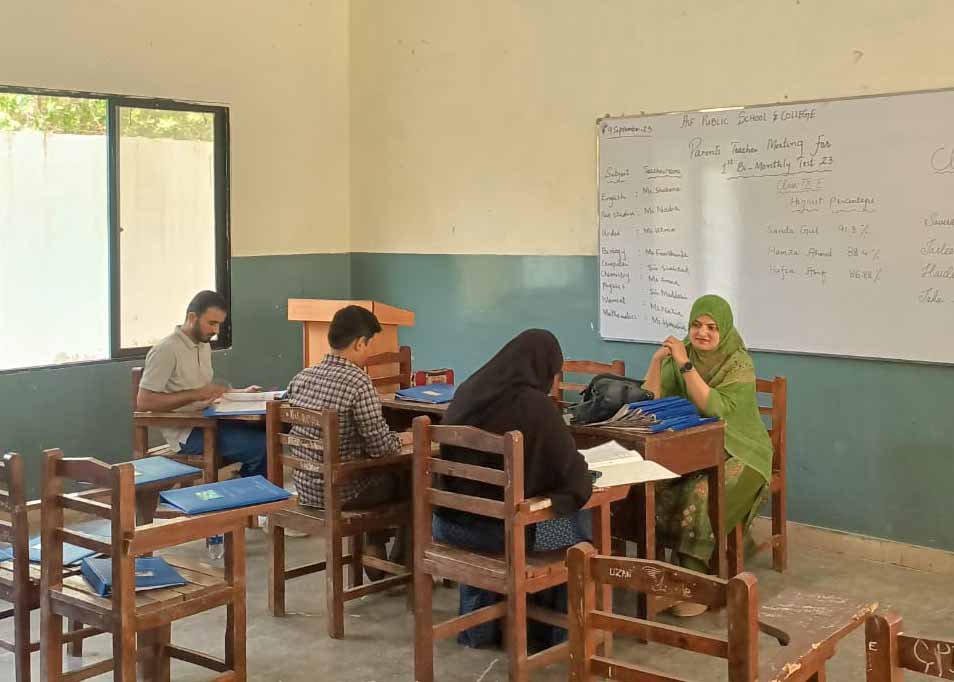
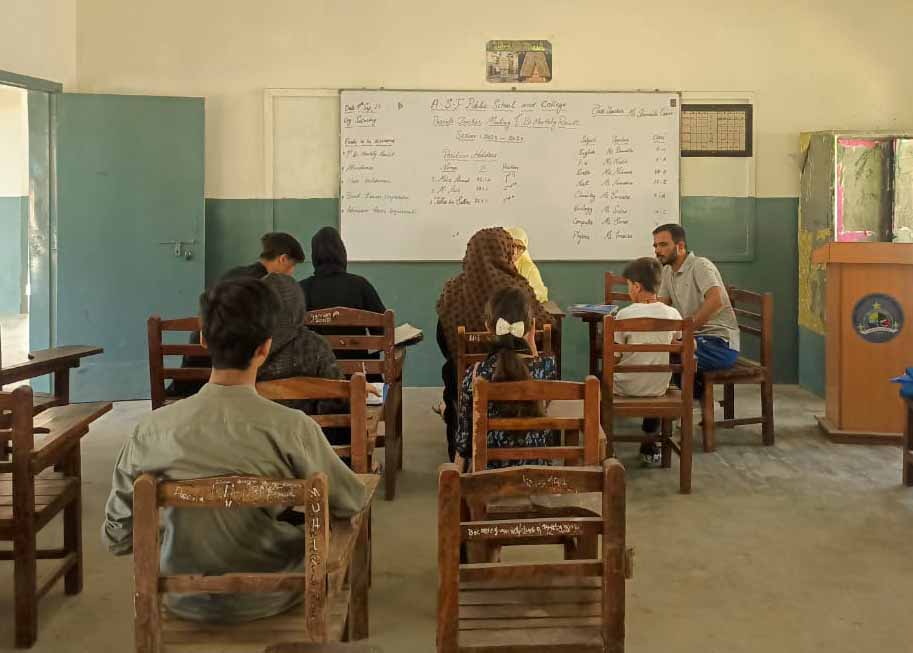
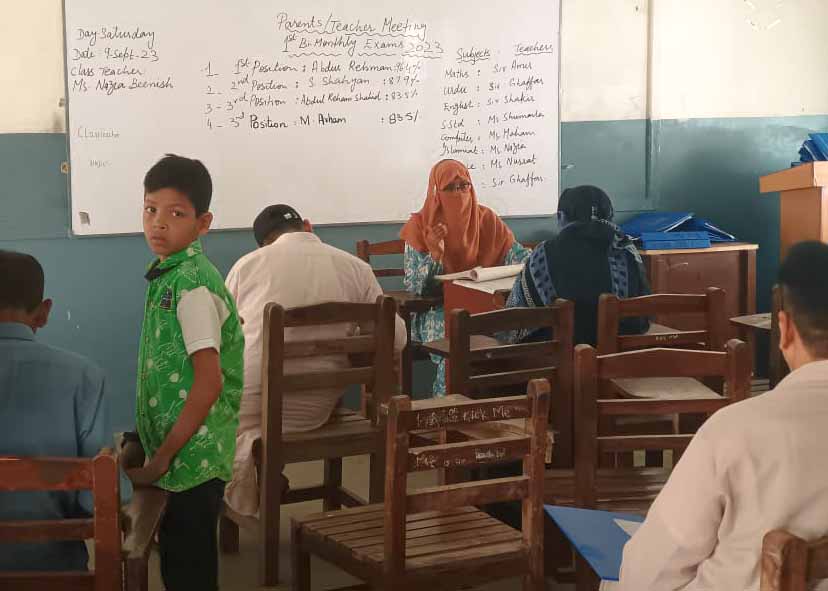
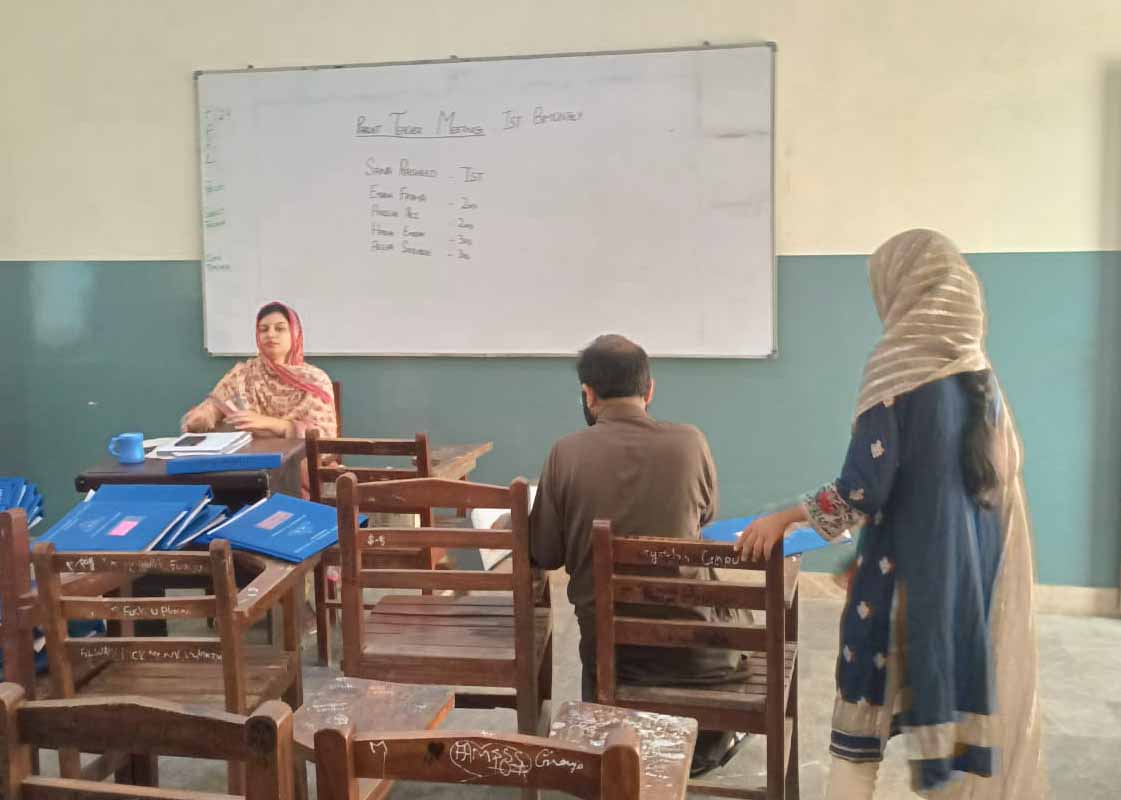
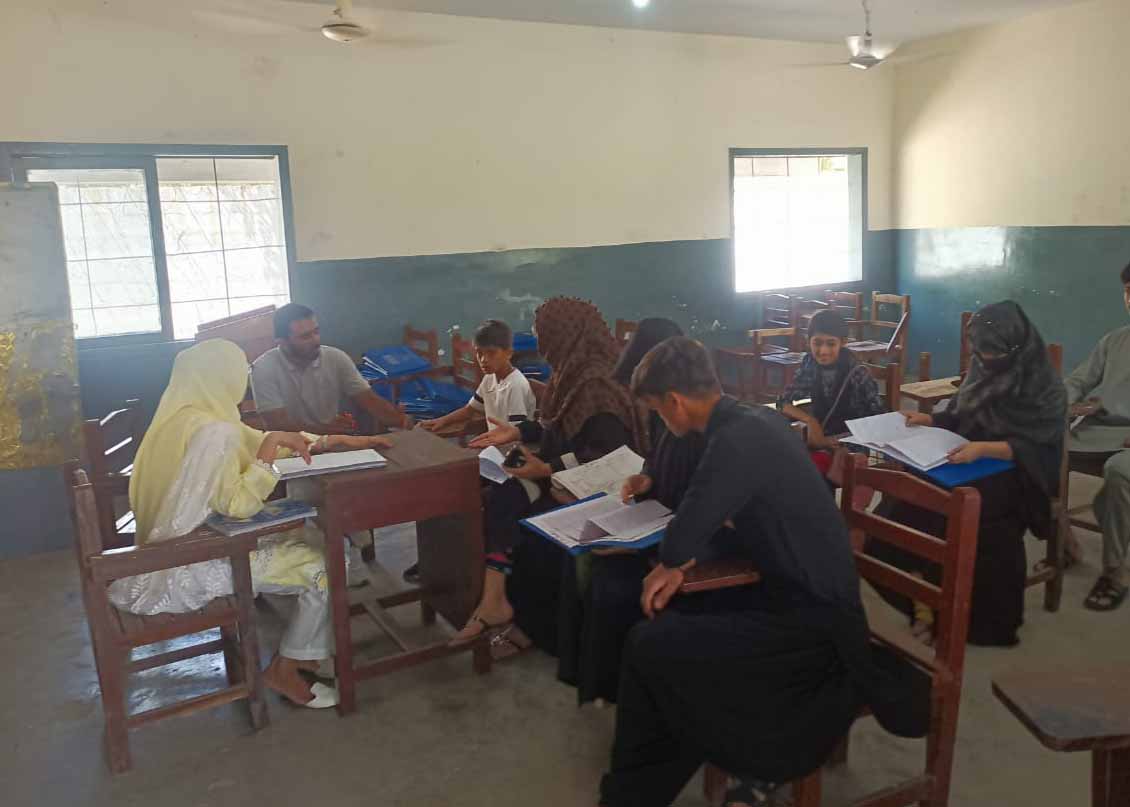
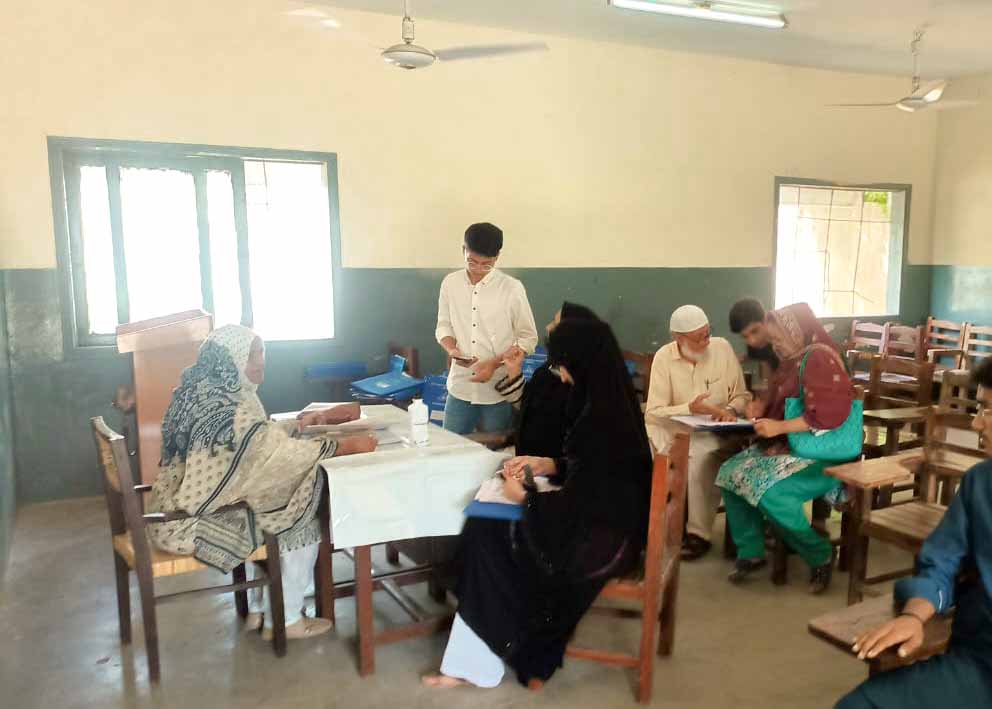
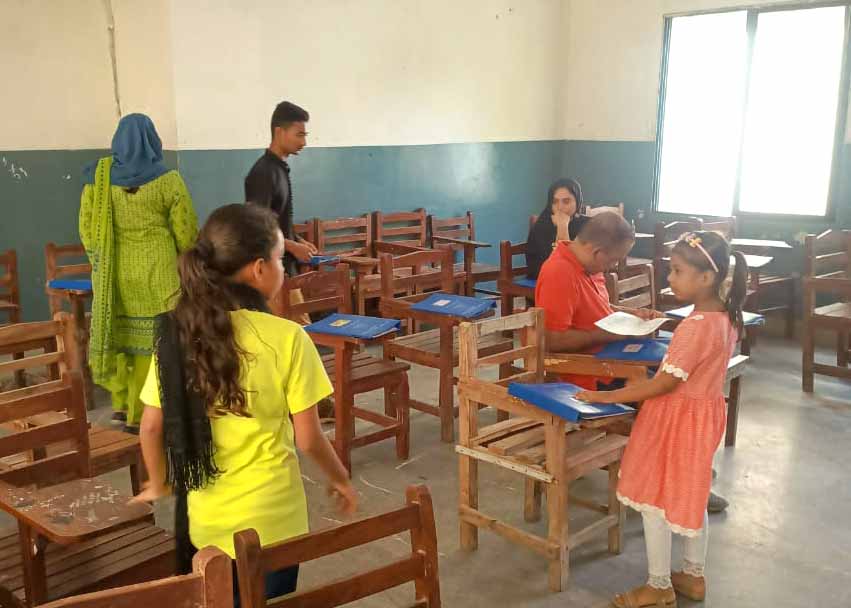
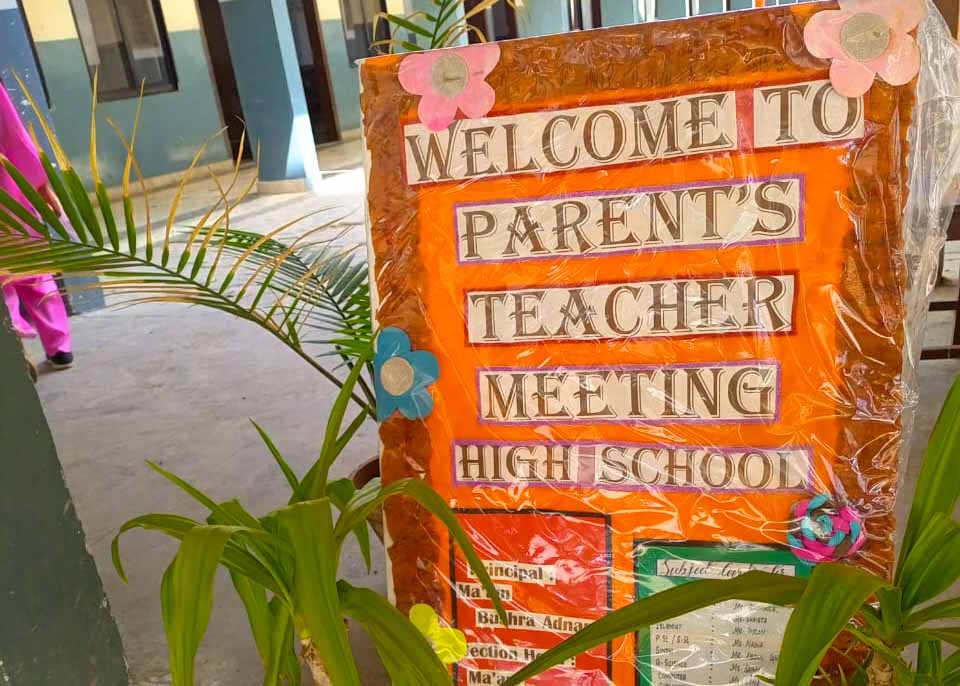
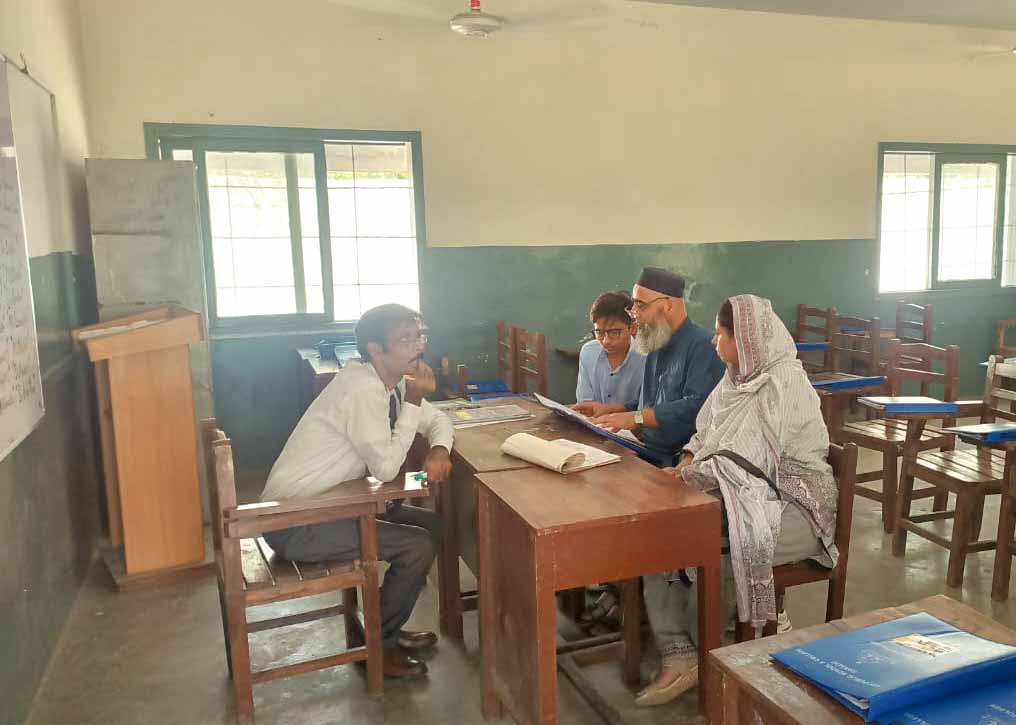
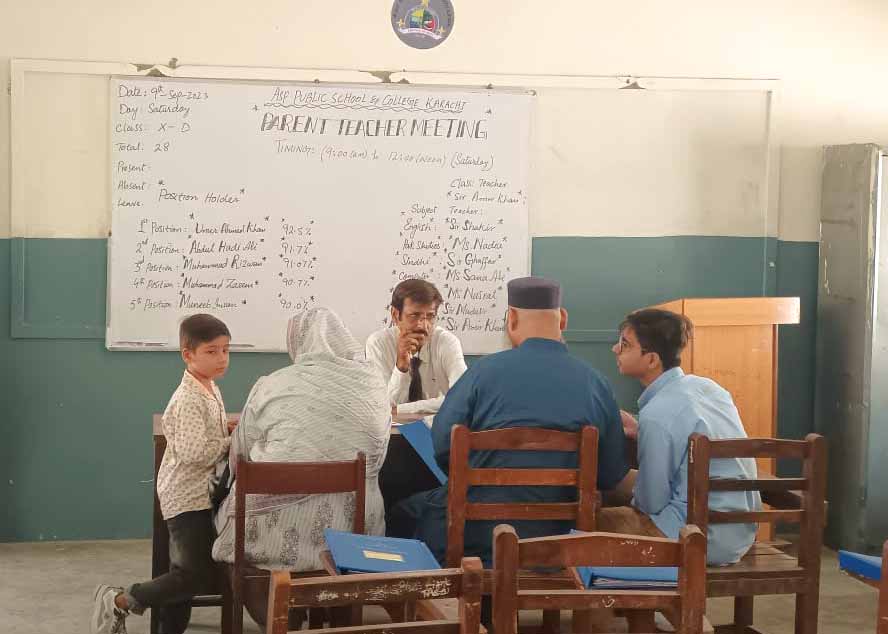
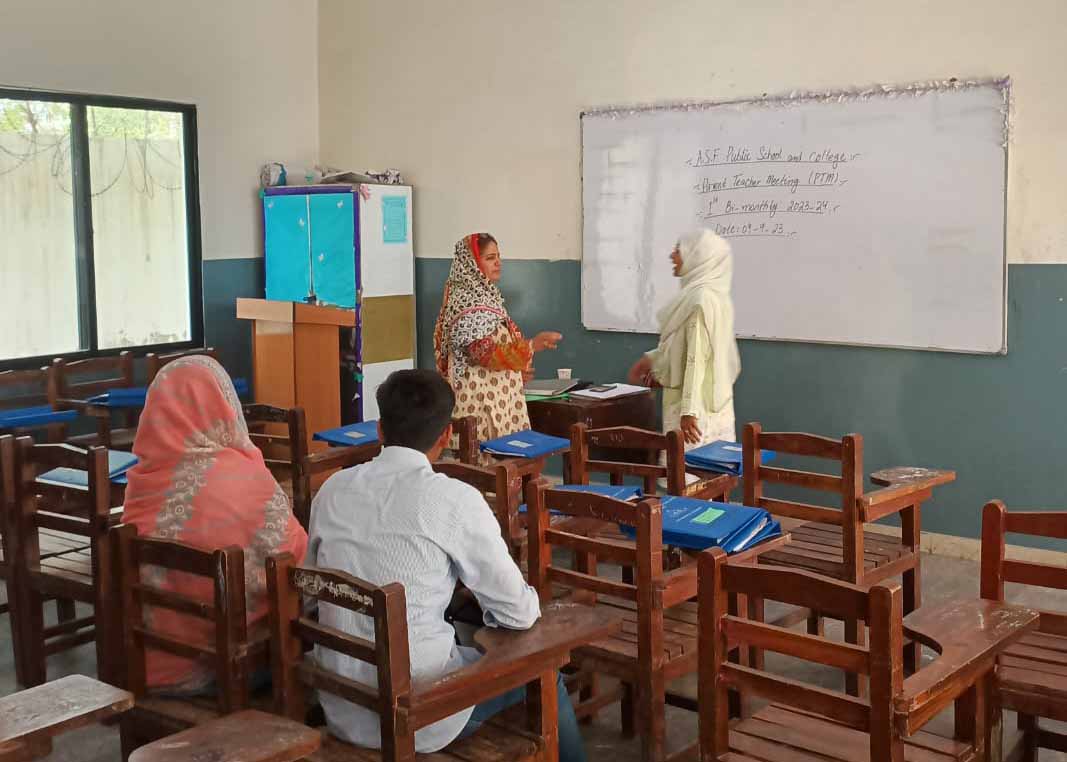
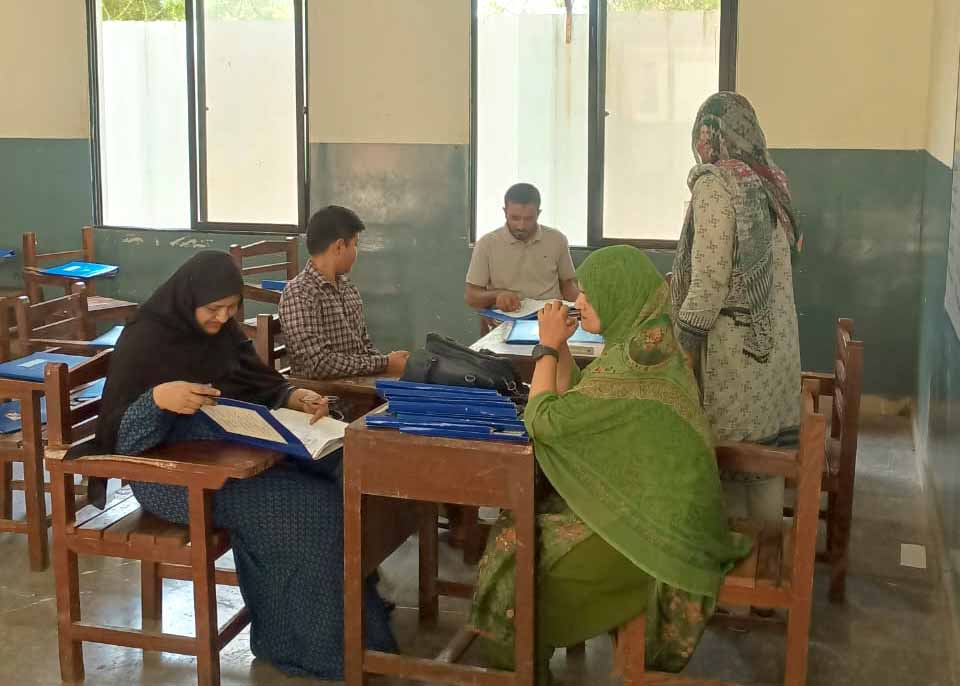
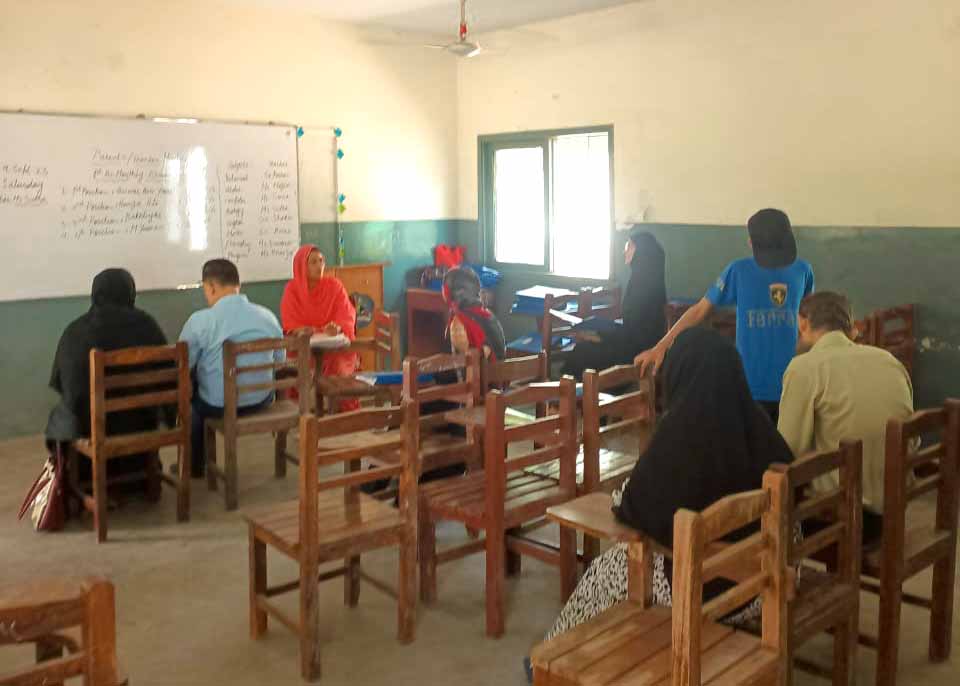
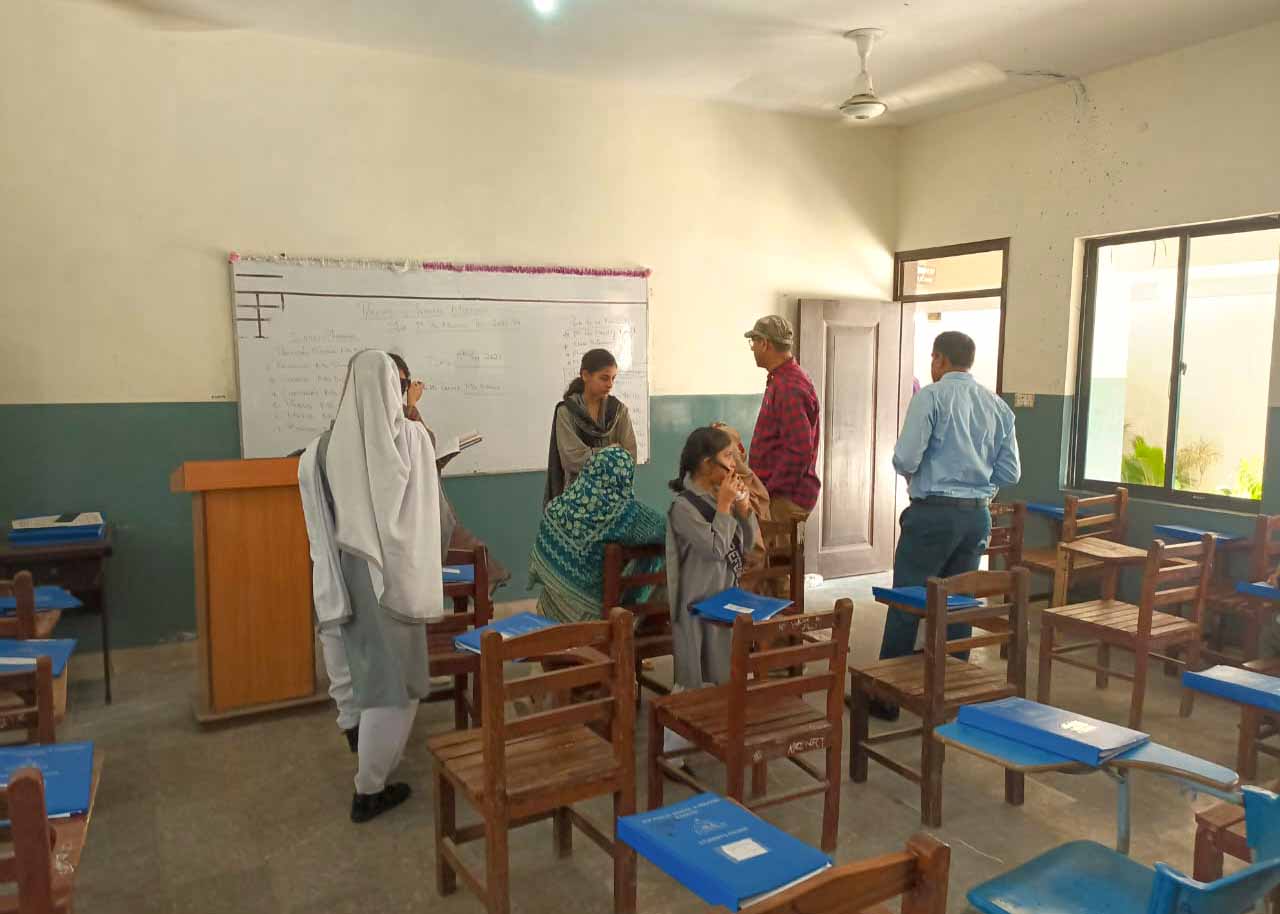
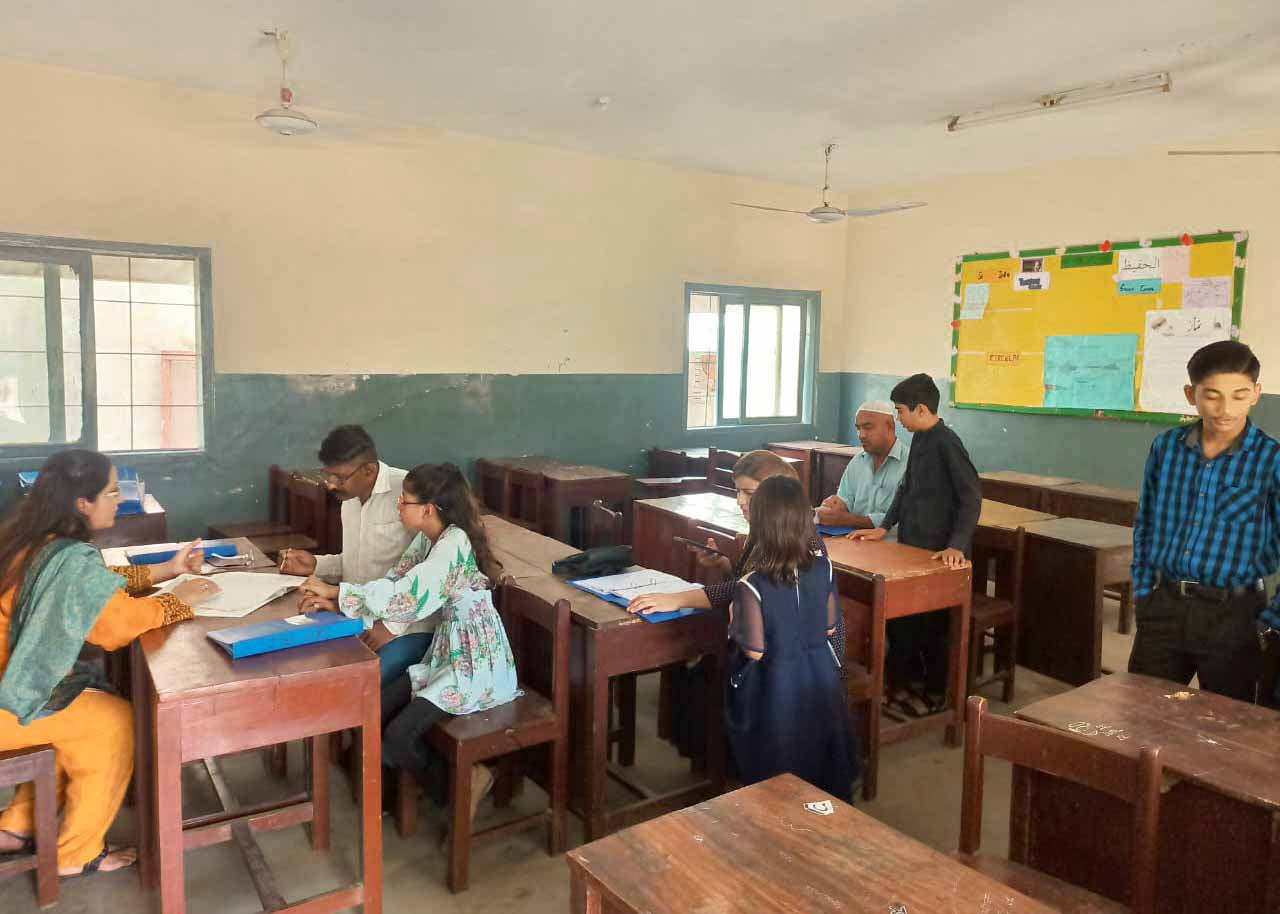

Parent-teacher meetings facilitate open and effective communication between parents and teachers. This exchange of information helps both parties better understand the child’s progress, strengths, weaknesses, and overall well-being.
These meetings provide an opportunity for parents to gain insight into their child’s academic performance. Teachers can discuss the child’s grades, behavior, and social interactions, allowing parents to track their progress and identify areas that may need improvement
Parent-teacher meetings encourage parents to become actively involved in their child’s education. When parents are engaged in their child’s learning process, students tend to perform better academically and have improved behavior.
If a child is facing challenges in school, these meetings provide a platform for teachers and parents to collaborate in identifying the root causes of these issues. This can lead to early intervention and support, which is crucial in addressing learning difficulties or behavioral problems.
Parents and teachers can work together to set academic and behavioral goals for the child. These goals provide a clear direction for the child’s development and serve as a basis for evaluating progress in subsequent meetings.
Parent-teacher meetings help create a mutual understanding between parents and teachers. Teachers can learn about the child’s home environment and any challenges the student may face outside of school, while parents can gain insights into the educational strategies and expectations in the classroom.
Establishing a positive relationship between parents and teachers builds trust. When parents feel that teachers genuinely care about their child’s well-being and education, they are more likely to support and cooperate with school initiatives.
Teachers can provide parents with valuable resources and strategies for supporting their child’s learning at home. This can include recommended books, educational websites, or tips on effective study habits.
If a child is struggling academically or emotionally, parent-teacher meetings can lead to early intervention measures. This proactive approach can prevent more significant issues from developing later on.
In diverse communities, parent-teacher meetings can help bridge cultural gaps by promoting understanding and sensitivity to different cultural backgrounds and traditions.
