




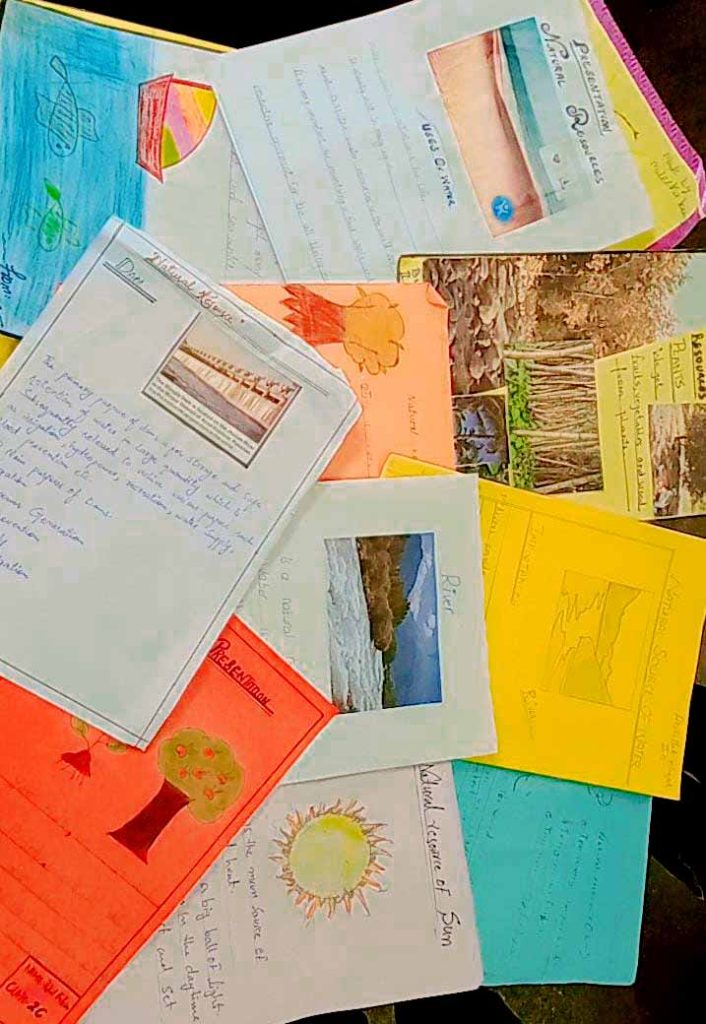


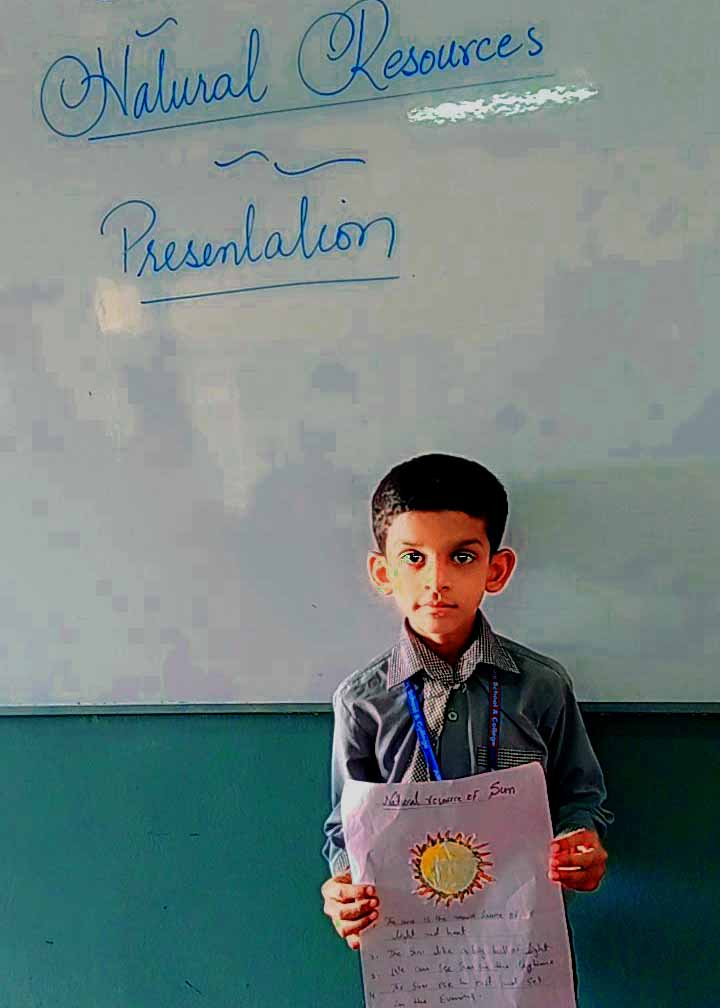


Natural resources are materials and substances that occur naturally in the environment and are used by humans for various purposes. These resources can be classified into several categories based on their origin and use:
-
Renewable Resources: These are resources that can be naturally replenished over time and are considered sustainable. Examples include:
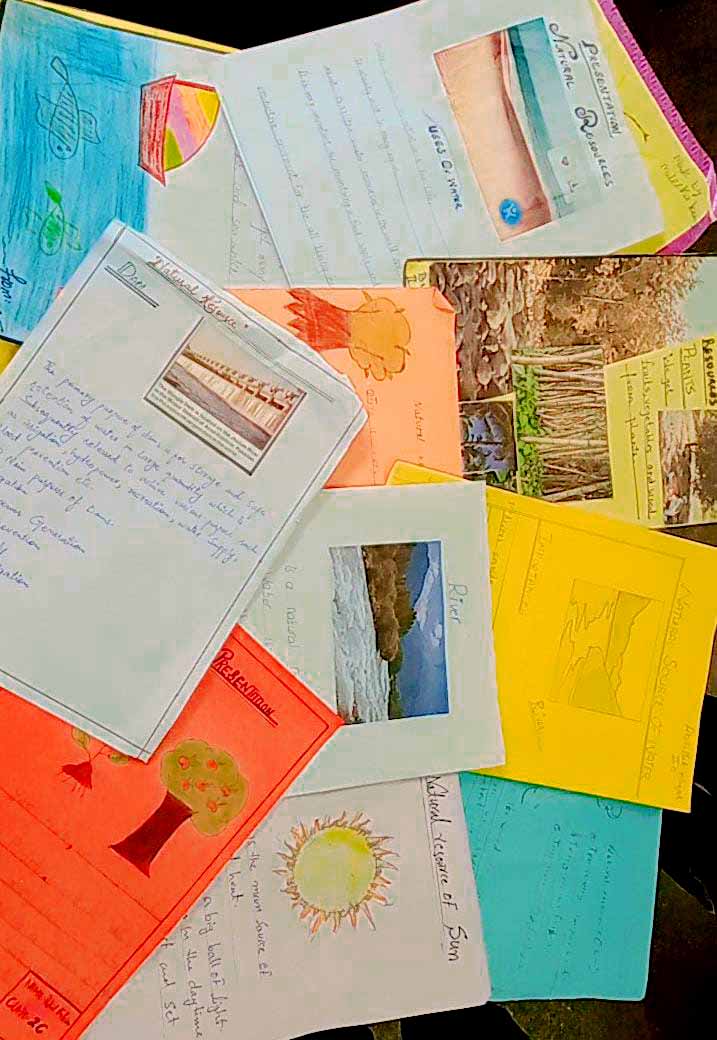
- Solar Energy: The sun’s energy can be harnessed through solar panels to produce electricity and heat.
- Wind Energy: Wind turbines convert wind energy into electricity.
- Hydropower: Energy generated from flowing water, such as rivers and dams.
-
Non-Renewable Resources: These are finite resources that cannot be easily replaced once they are depleted. They include:
- Fossil Fuels: Oil, natural gas, and coal are used for energy production and transportation.
- Minerals: Metals like iron, copper, and aluminum are essential for manufacturing.
- Fossilized Organic Matter: Used to create materials like plastics and asphalt.
-
Biological Resources: These are living resources that can be harvested or cultivated. Examples include:
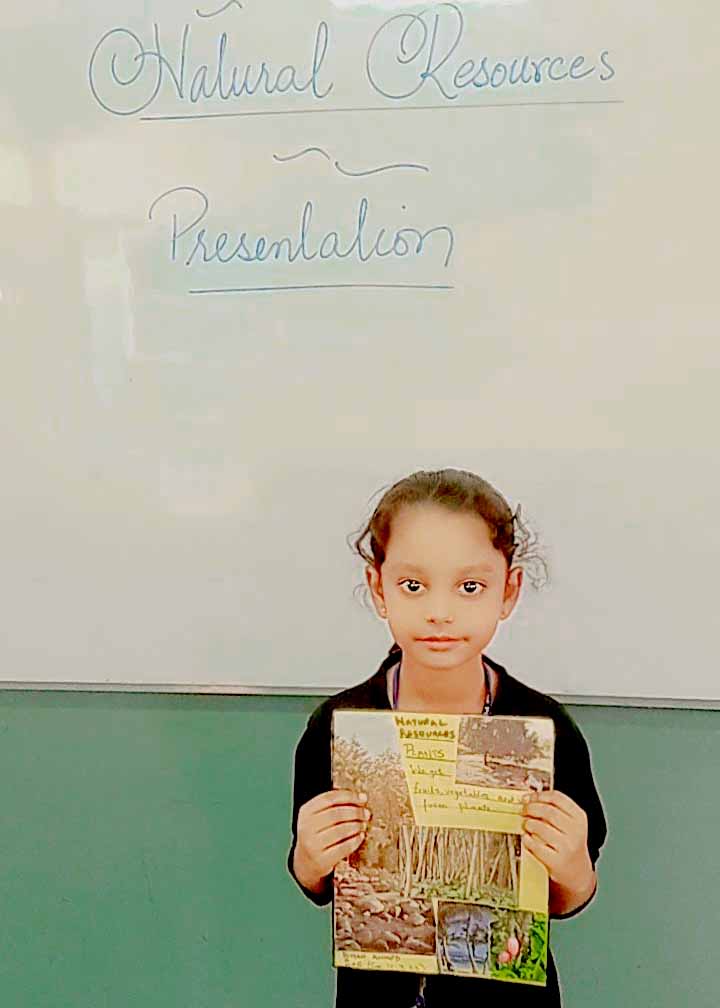
- Forests: Timber and other wood products.
- Fisheries: Fish and other aquatic organisms.
- Agricultural Crops: Crops such as wheat, corn, and rice.
-
Water Resources: Freshwater from lakes, rivers, and aquifers is essential for drinking, irrigation, and industrial processes.
-
Soil: Soil is crucial for agriculture and provides a habitat for various organisms.
-
Air and Atmosphere: The atmosphere contains oxygen, which is essential for life, as well as other gases like nitrogen and carbon dioxide.
-
Mineral Resources: Minerals, both metallic and non-metallic, are used in various industries, including construction, electronics, and manufacturing.
-
Energy Resources: Besides renewable and non-renewable resources, there are also nuclear energy resources, which use processes like nuclear fission for electricity generation.
-
Wildlife and Biodiversity: Biodiversity includes a wide range of species, each with its unique value and ecological role.
It is essential to manage and conserve natural resources sustainably to ensure that they are available for future generations. Overexploitation and environmental degradation can lead to the depletion of these resources, impacting ecosystems and human well-being. Sustainable practices, conservation efforts, and technological innovations play a vital role in preserving natural resources and mitigating environmental challenges.