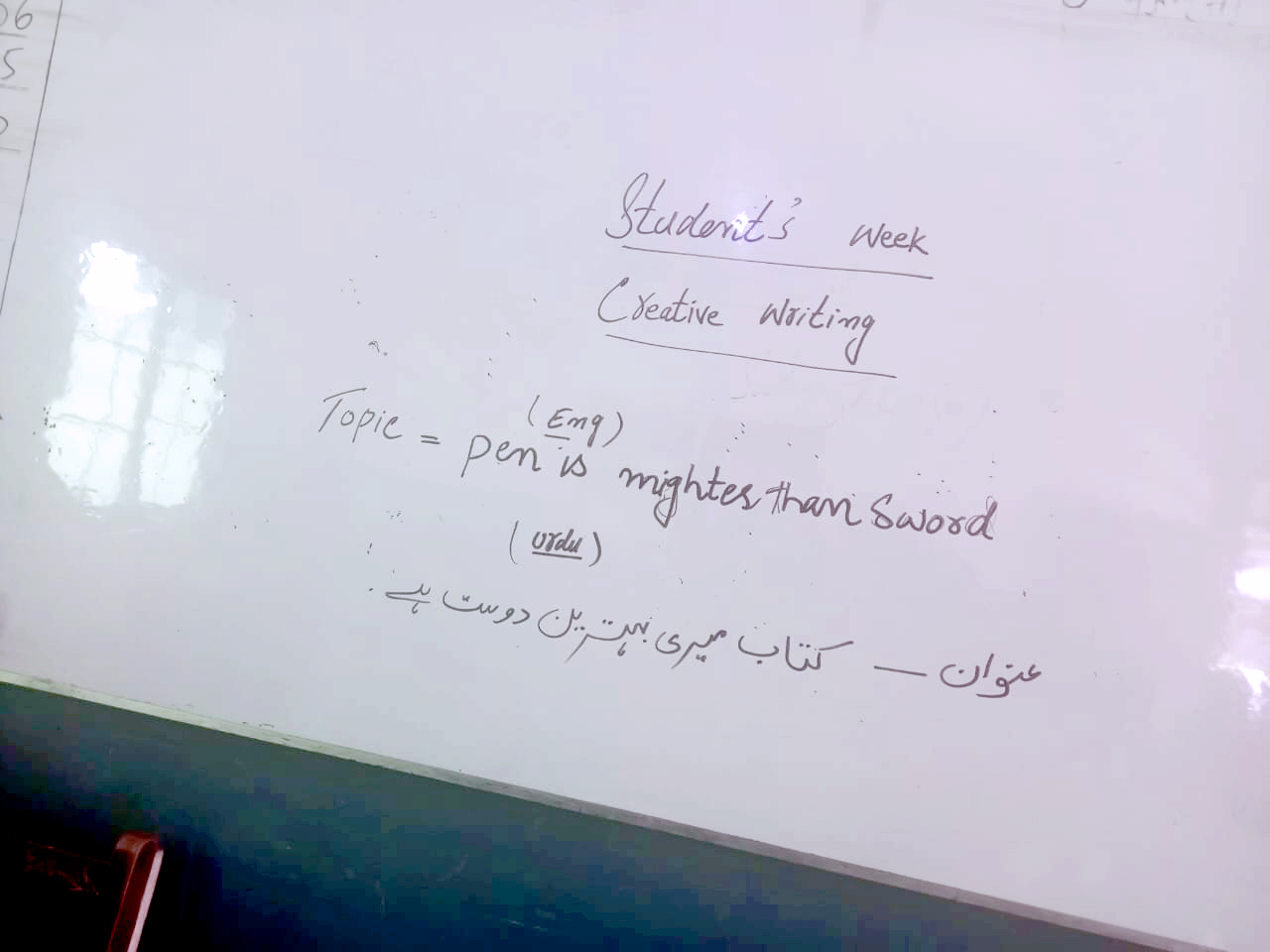
Creative Writing is the art of crafting original content that expresses thoughts, emotions, and ideas in an imaginative and innovative way. Unlike technical or academic writing, it focuses on storytelling, vivid descriptions, and the writer’s unique voice.
Key Elements of Creative Writing:
- Imagination: The foundation of creative writing is thinking beyond conventional boundaries to create something unique.
- Expression: Conveying emotions, perspectives, and themes through words.
- Language: Using rich vocabulary, metaphors, similes, and other literary devices to enhance the narrative.
- Structure: Organizing ideas cohesively while maintaining creative freedom.
Forms of Creative Writing:
- Poetry:
- Emphasizes rhythm, emotion, and imagery.
- Examples: Sonnets, free verse, haikus.
- Short Stories:
- Brief, engaging narratives with a defined beginning, middle, and end.
- Often focus on a single event or theme.
- Novels:
- Long-form fiction that explores intricate plots, characters, and settings.
- Essays:
- Reflective or personal essays with a creative angle.
- Example: A descriptive essay on “The First Rain of Summer.”
- Scripts/Plays:
- Written for stage, screen, or radio with dialogues and scene directions.
- Creative Non-Fiction:
- Includes memoirs, autobiographies, or travelogues with a storytelling touch.
- Flash Fiction:
- Extremely short stories, often under 1,000 words, with impactful narratives.
Tips for Effective Creative Writing:
- Read Widely: Exposure to various genres and styles inspires ideas and improves technique.
- Practice Regularly: Writing consistently sharpens skills and helps develop a unique voice.
- Show, Don’t Tell: Use descriptions and actions to convey emotions and events instead of stating them directly.
- Example: Instead of “She was angry,” write, “Her fists clenched, and her voice trembled as she spoke.”
- Use Strong Characters: Develop relatable, multidimensional characters with clear motivations.
- Experiment: Try different perspectives (first person, third person) and styles to find what resonates.
- Edit and Revise: Writing is rewriting. Refine your work for clarity, flow, and impact.
- Seek Feedback: Sharing your work with others provides insights and constructive criticism.
Prompts for Creative Writing:
- Write about a secret door in your house that leads to another world.
- Imagine a day when everyone wakes up with no memory of the past.
- Describe a place where time stands still.
- Write a story where the protagonist can hear the thoughts of animals.
- Create a poem inspired by the colors of a sunset.
Creative writing is not just an art form but also a way to explore one’s creativity and connect with others through the magic of storytelling. It invites writers to dream, imagine, and share their inner worlds.