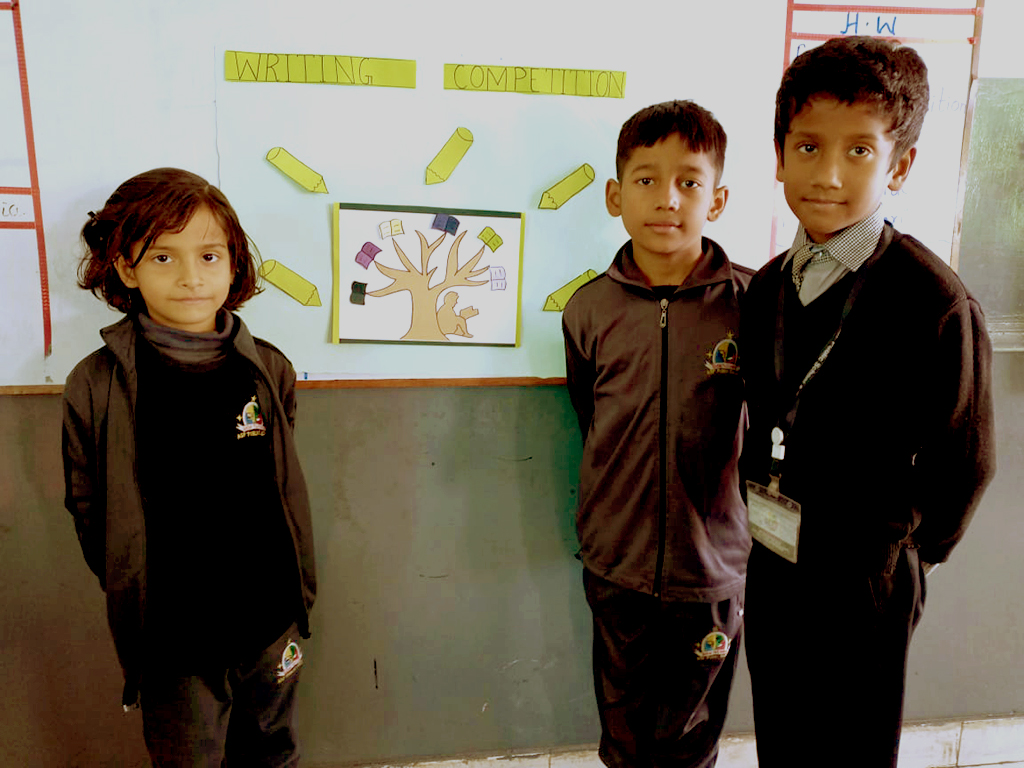
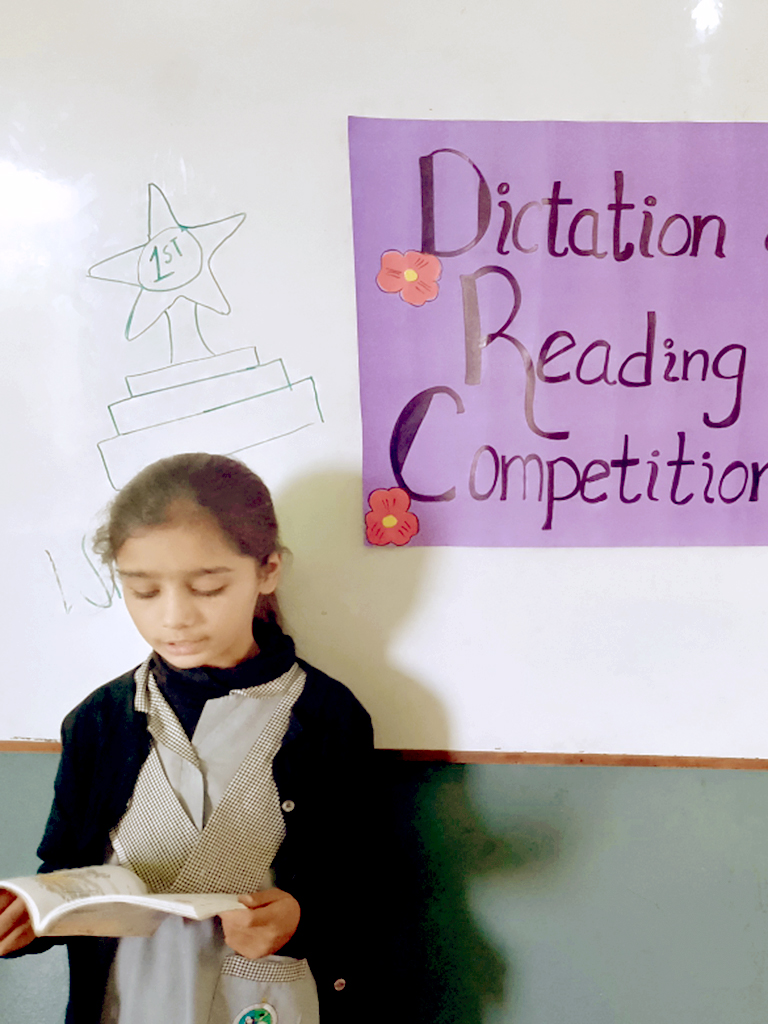
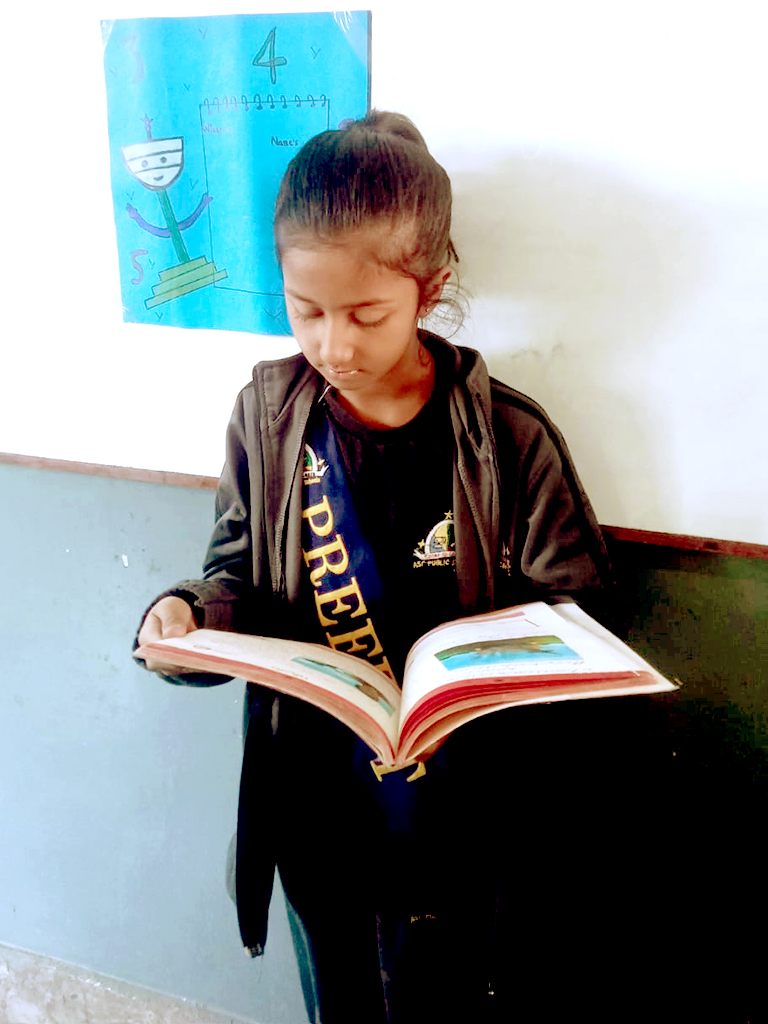

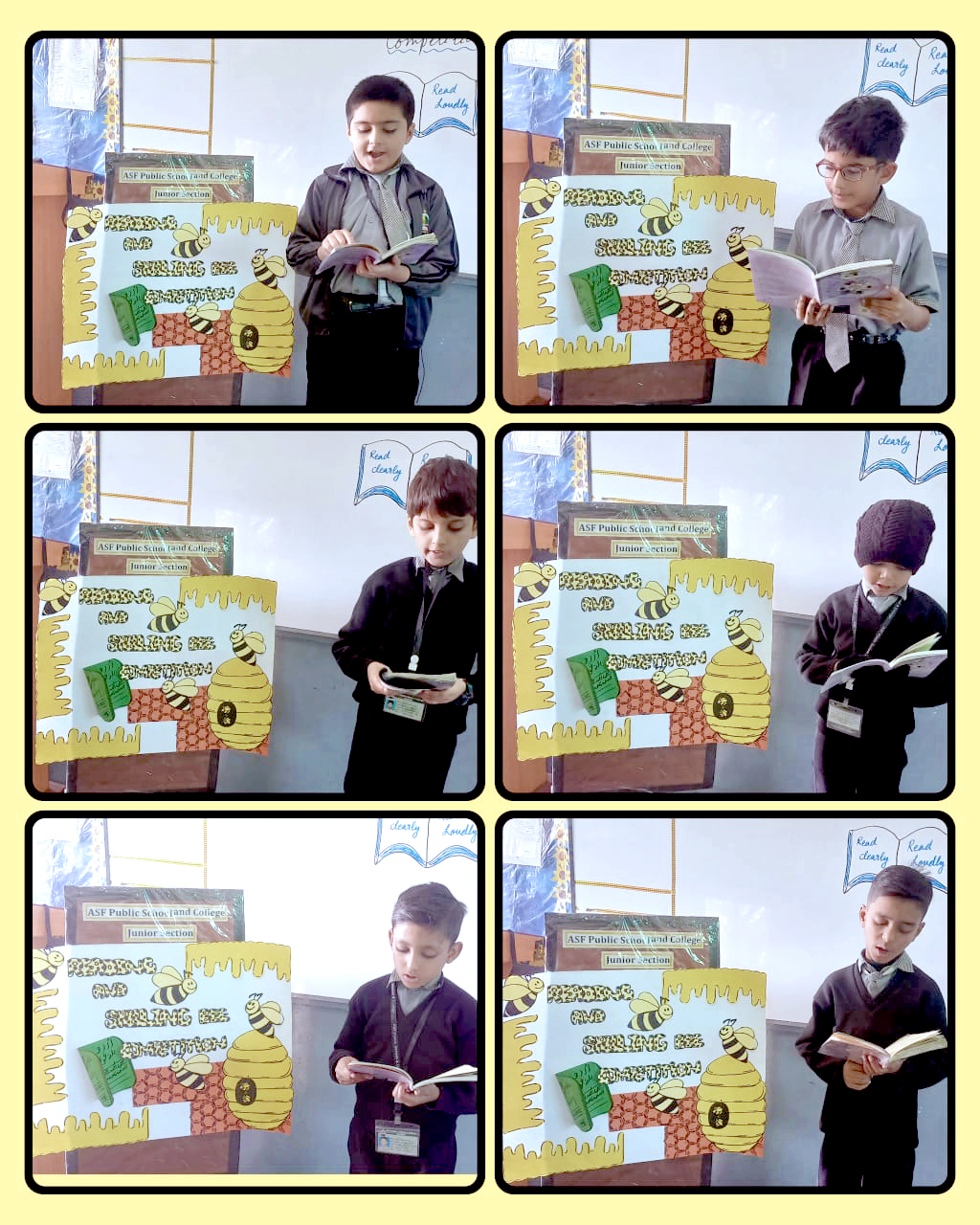
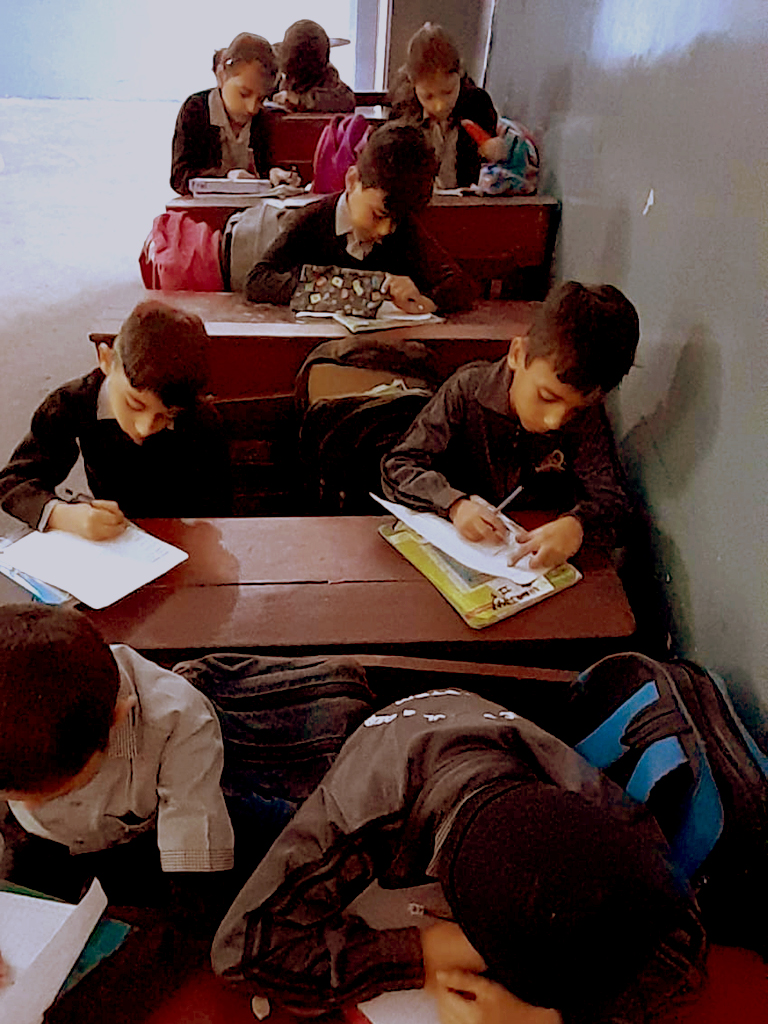
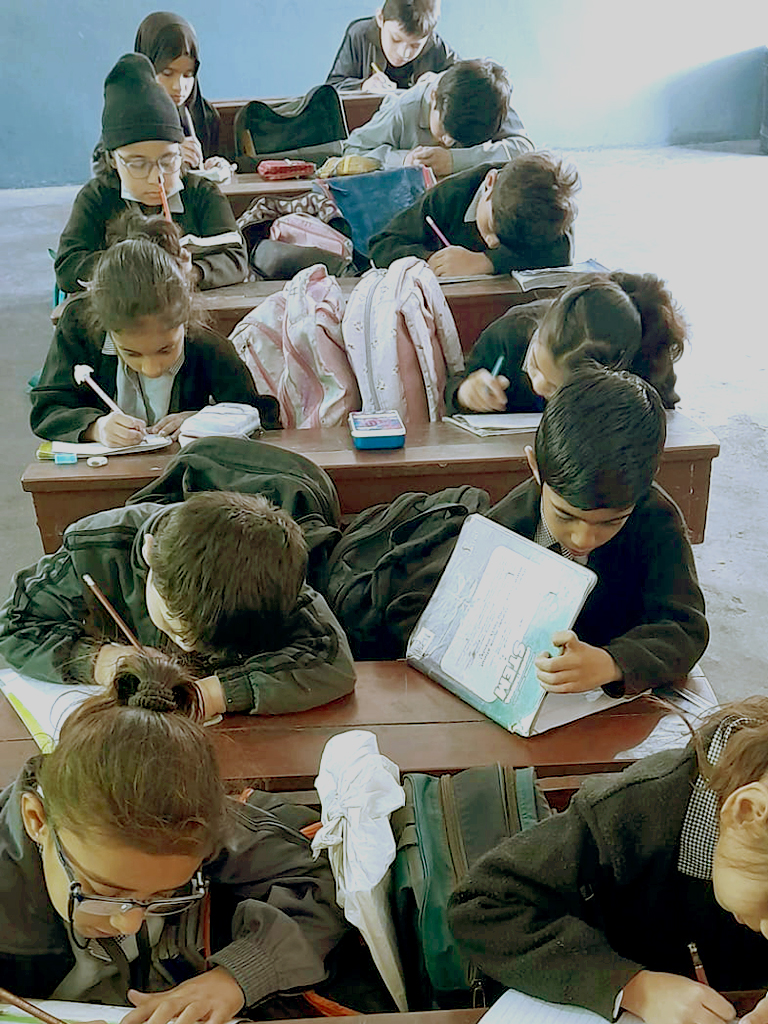
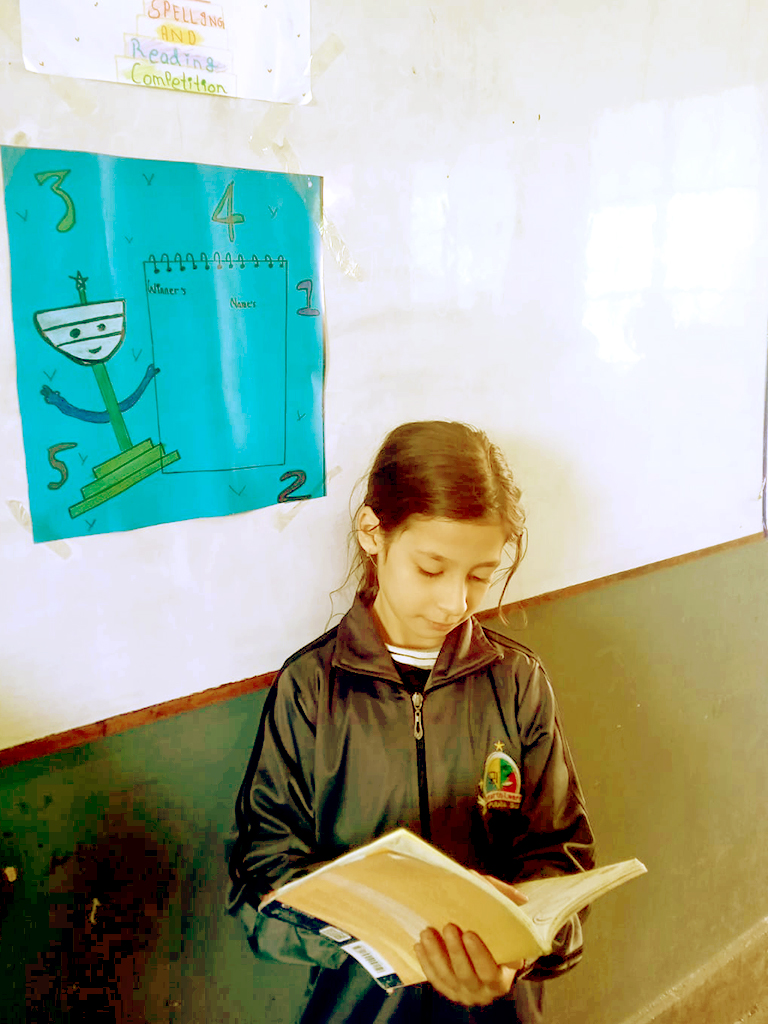
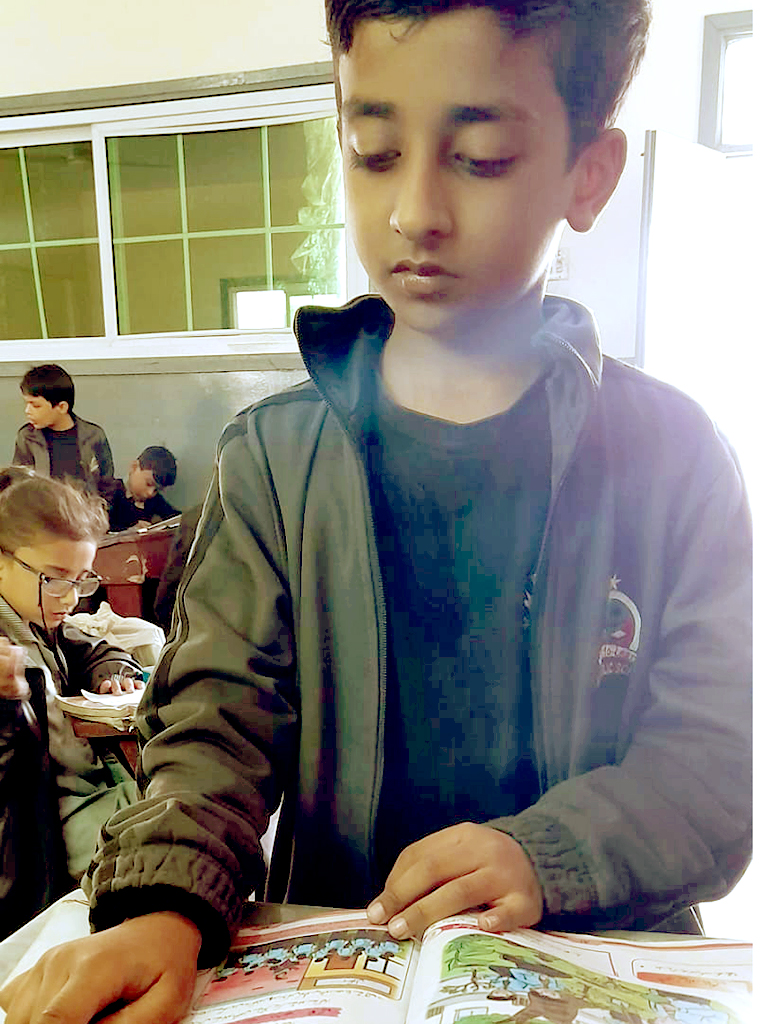
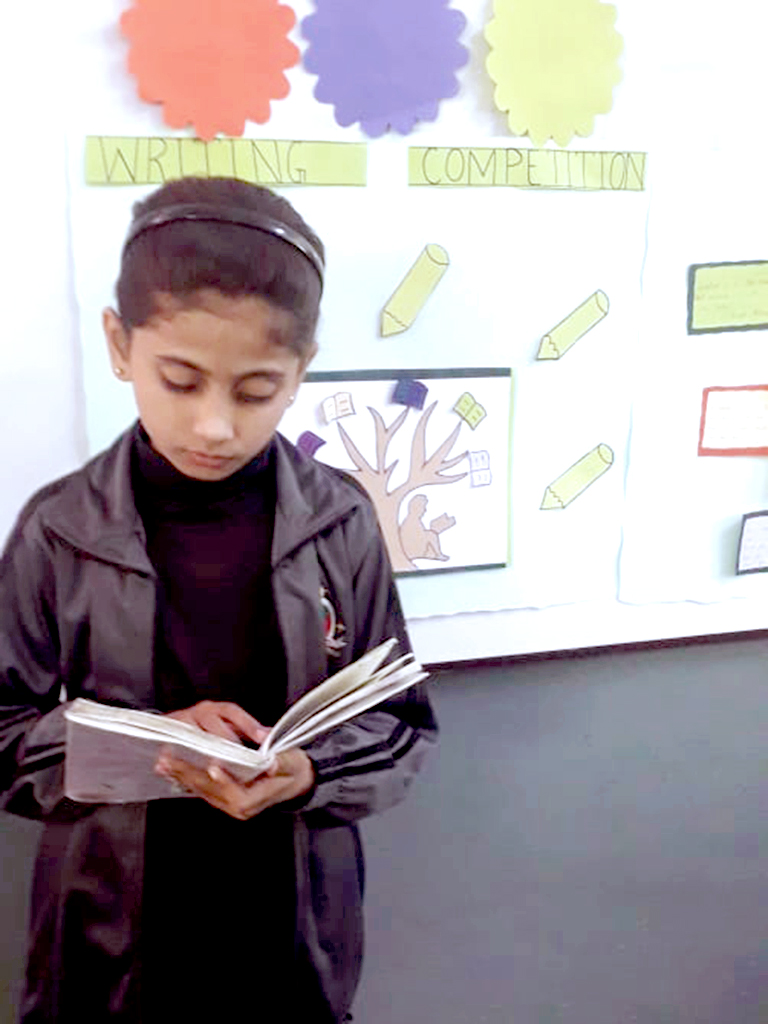
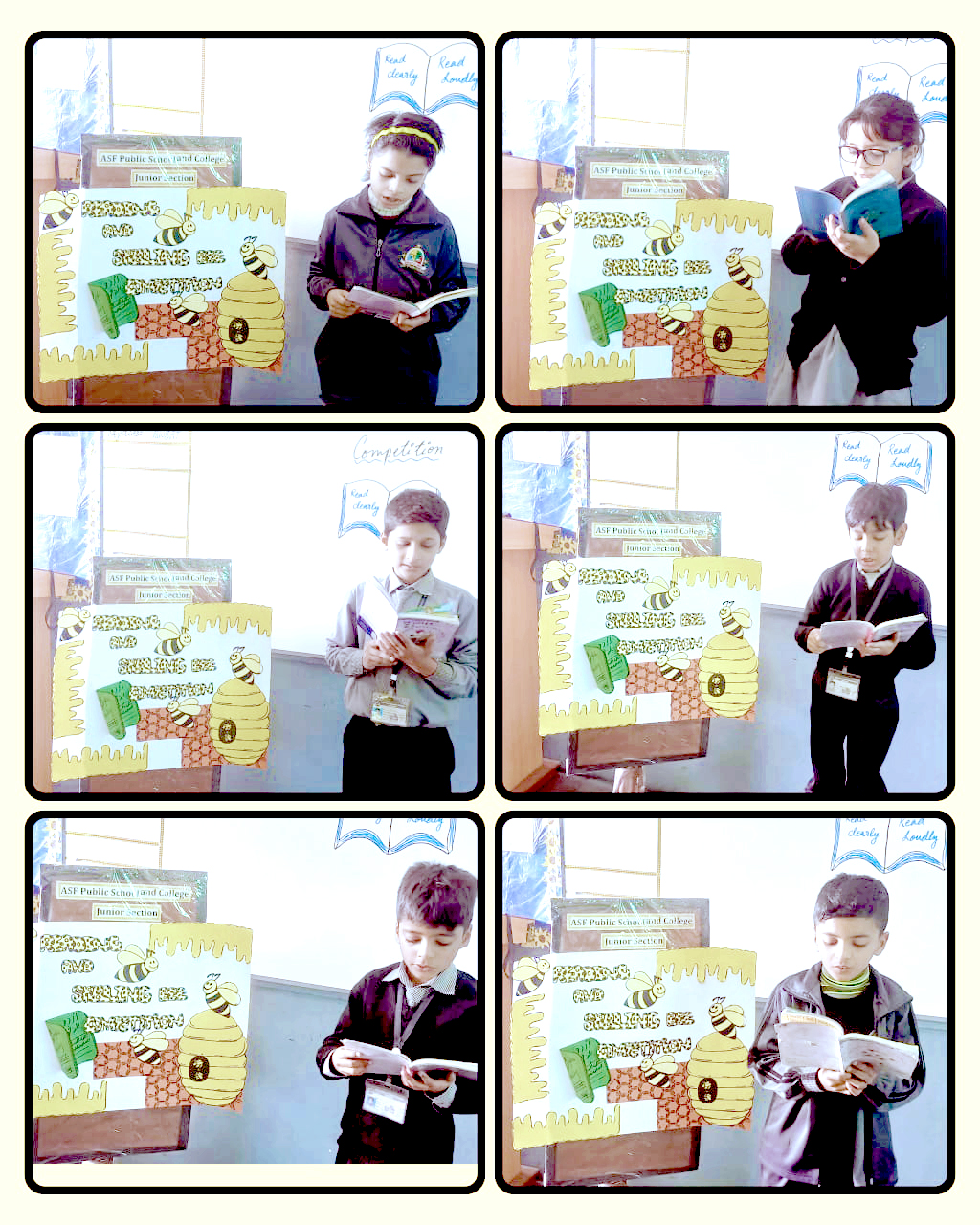
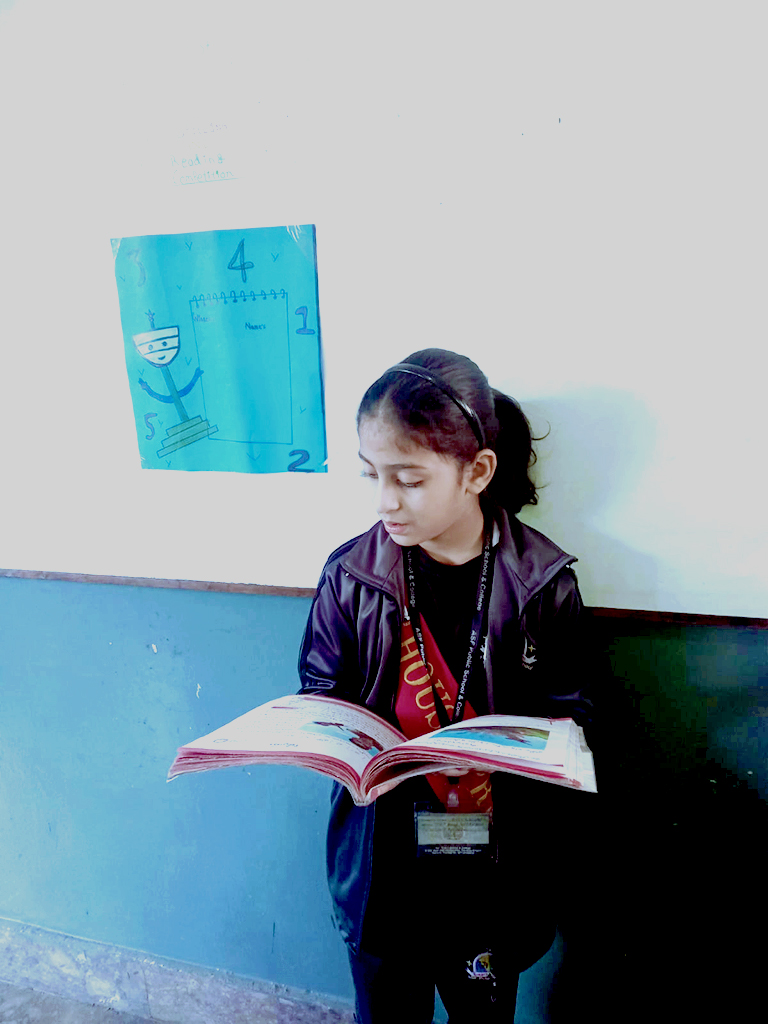
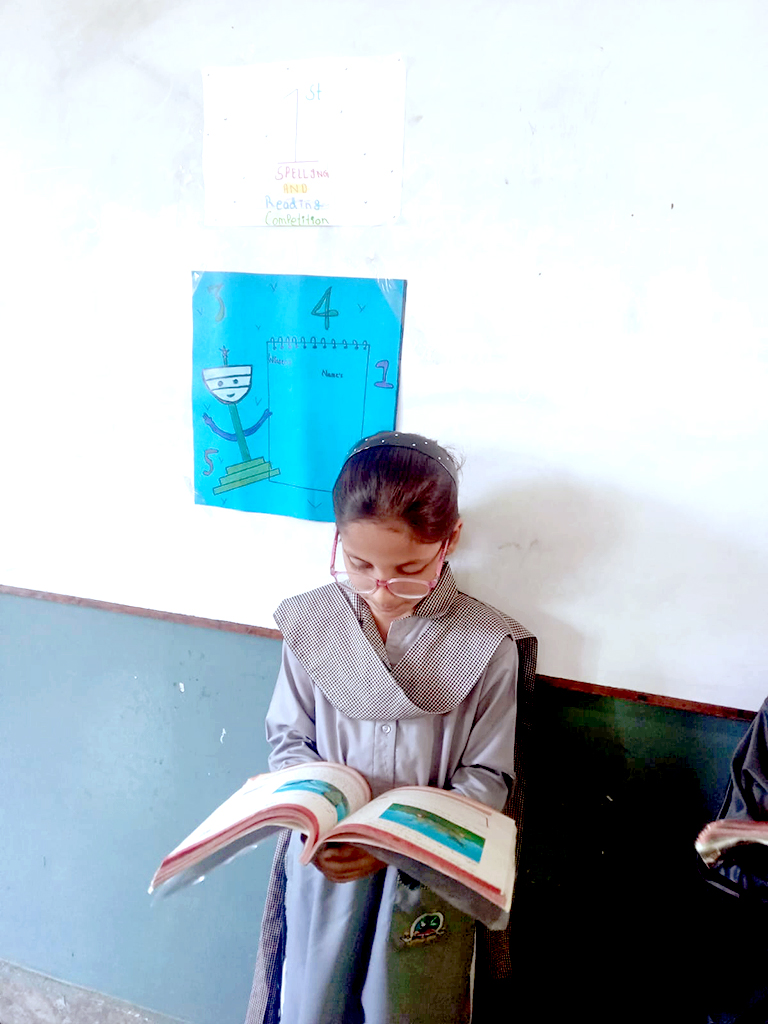
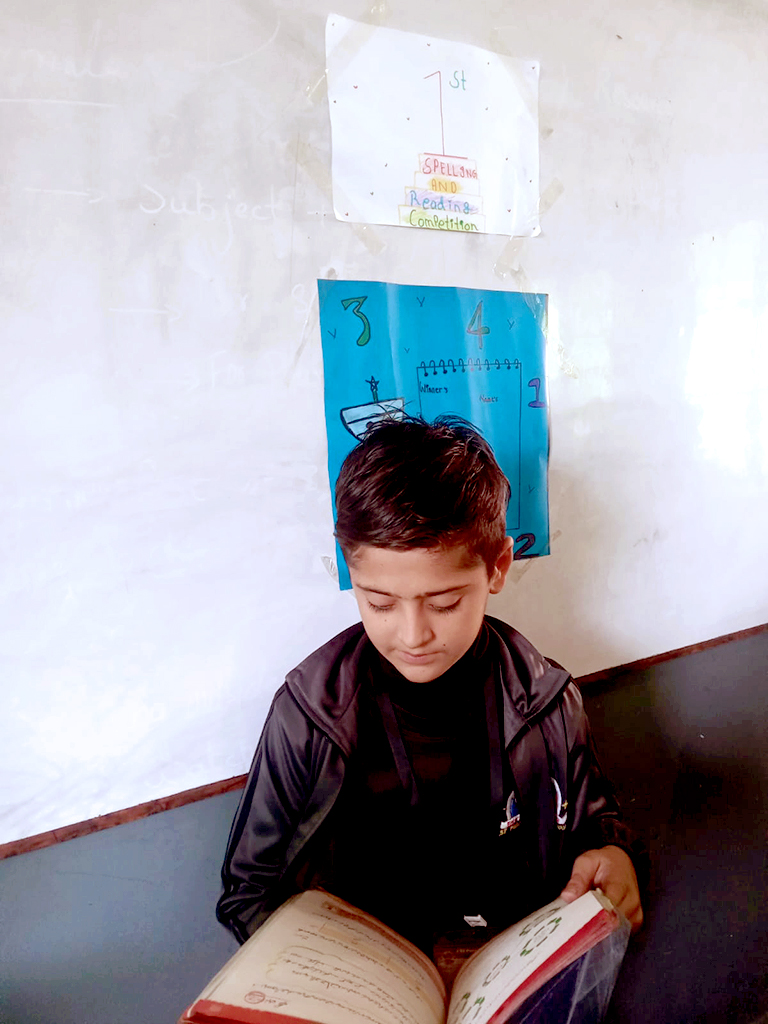
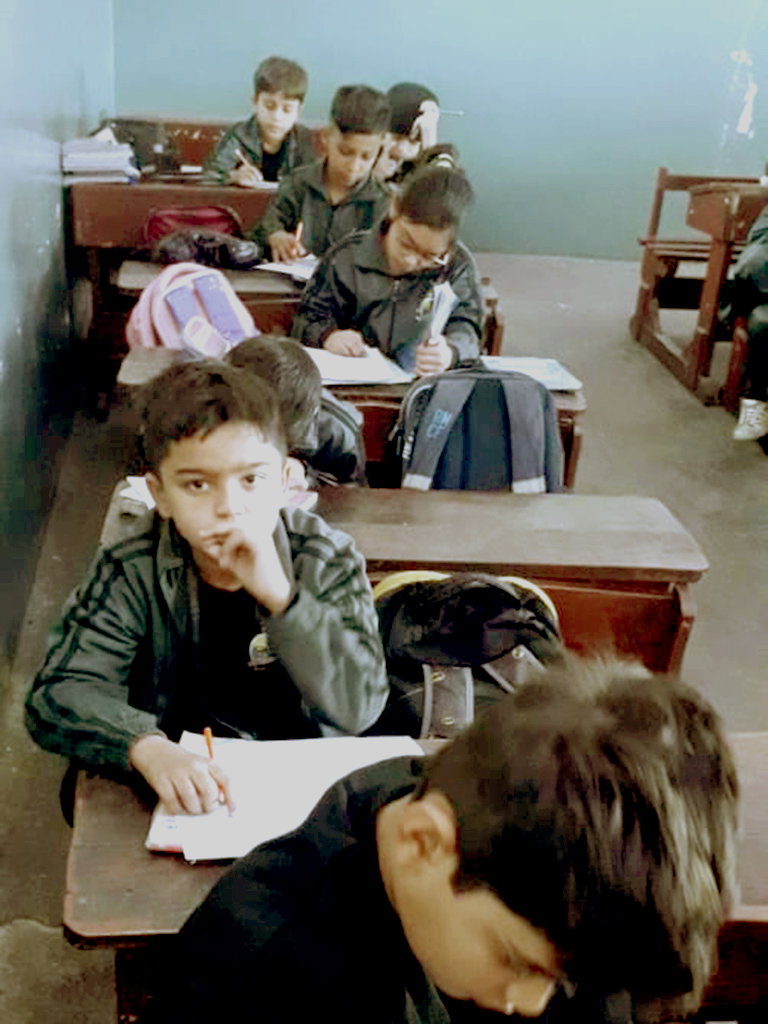
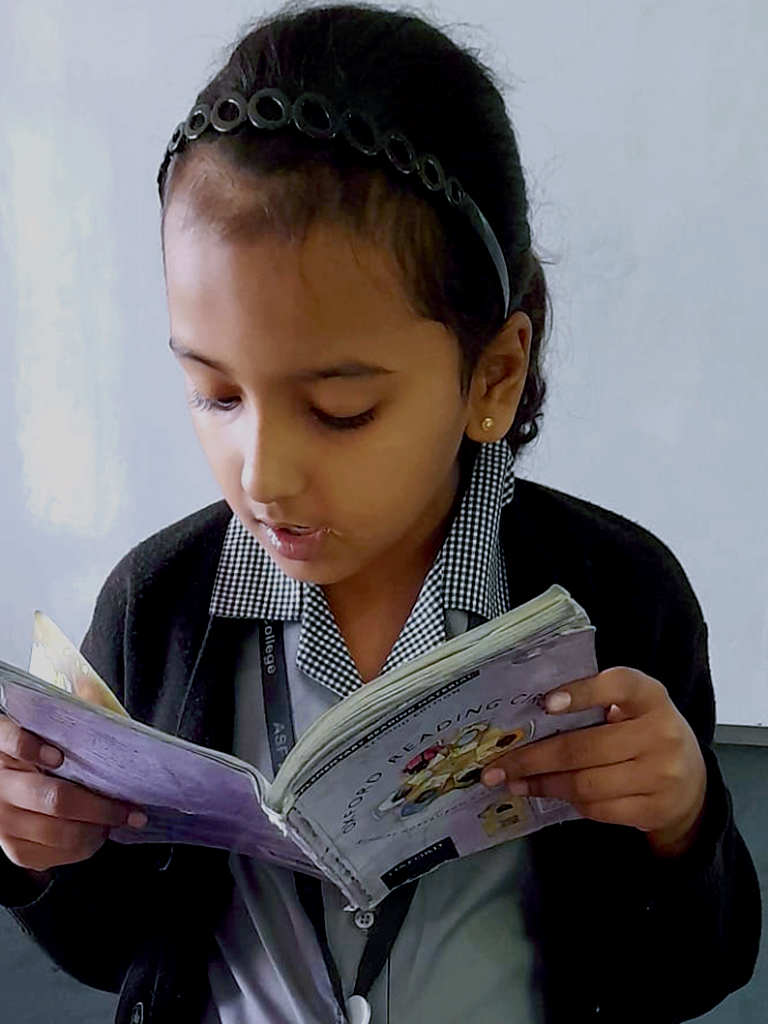
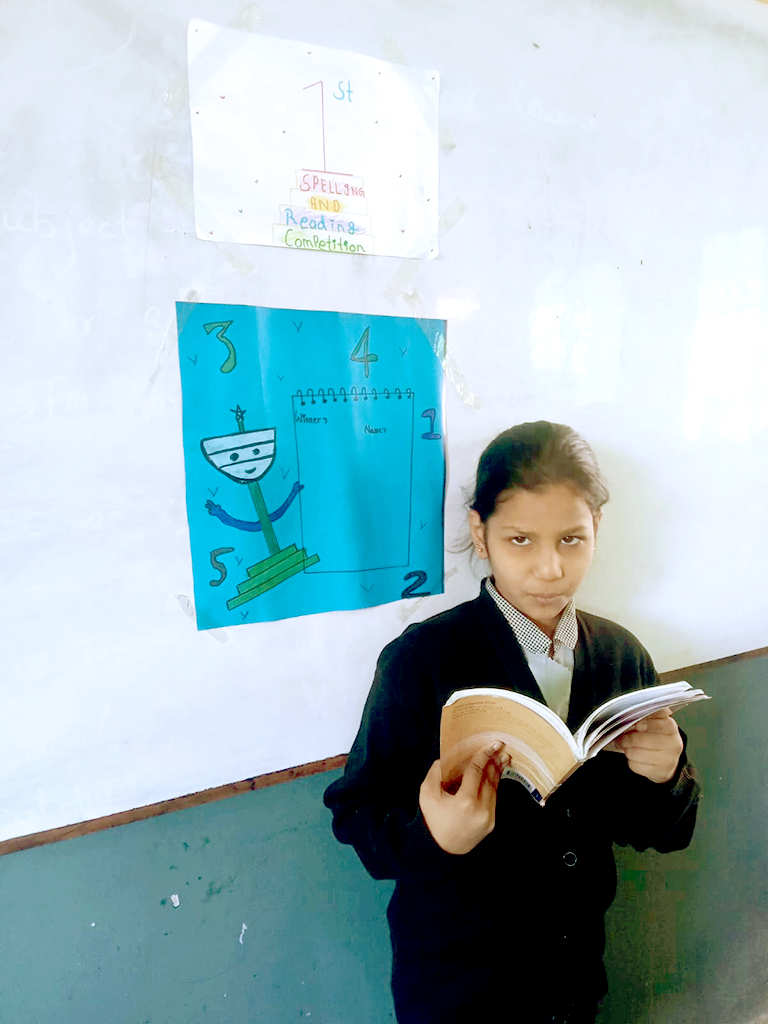
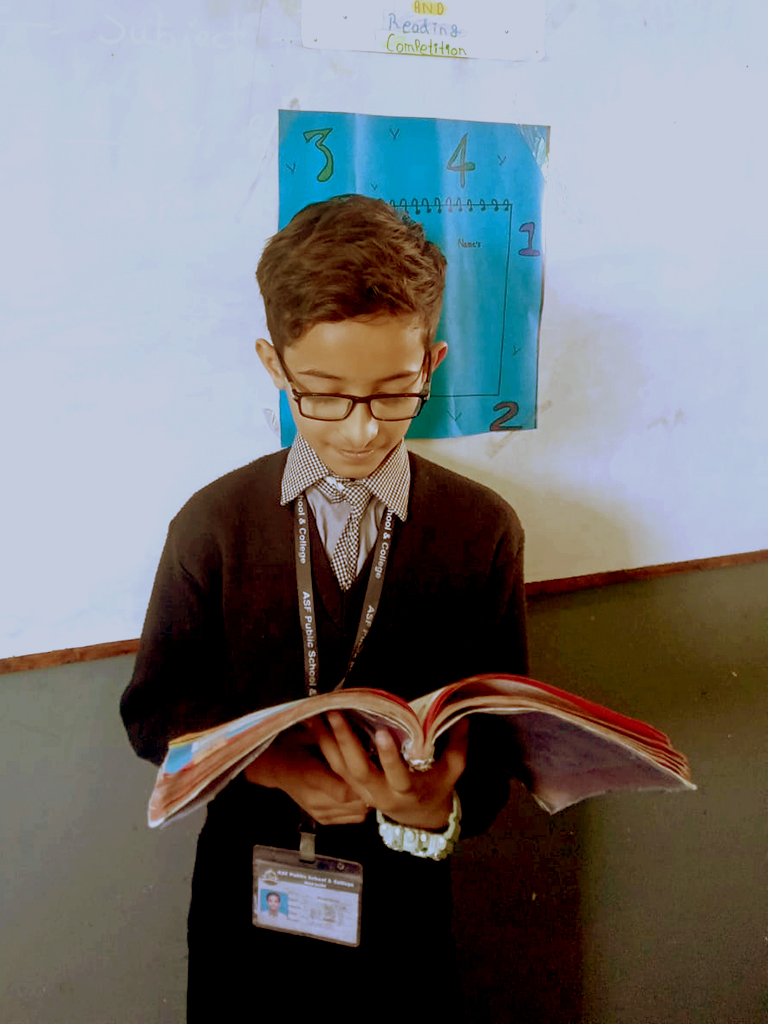
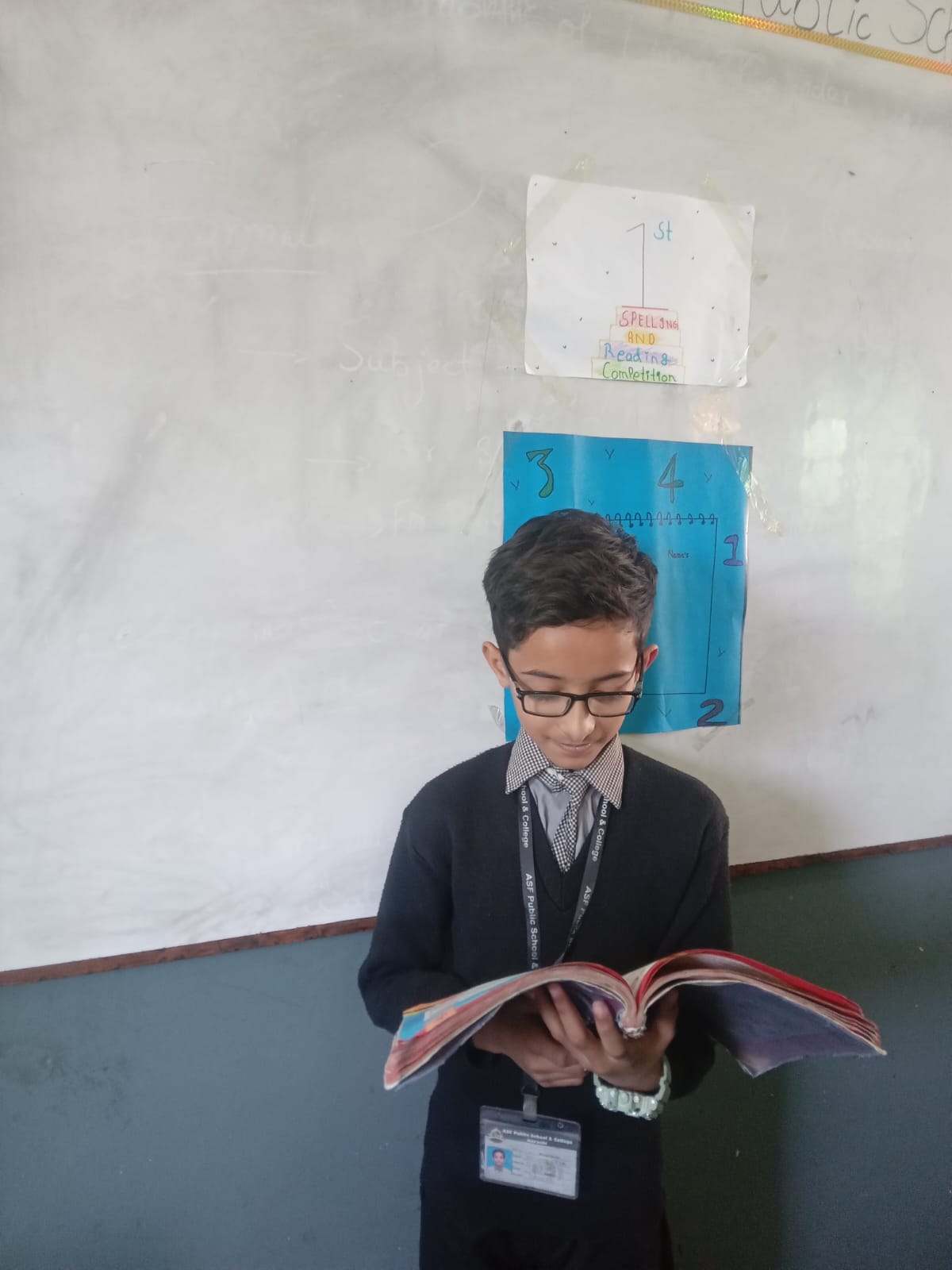
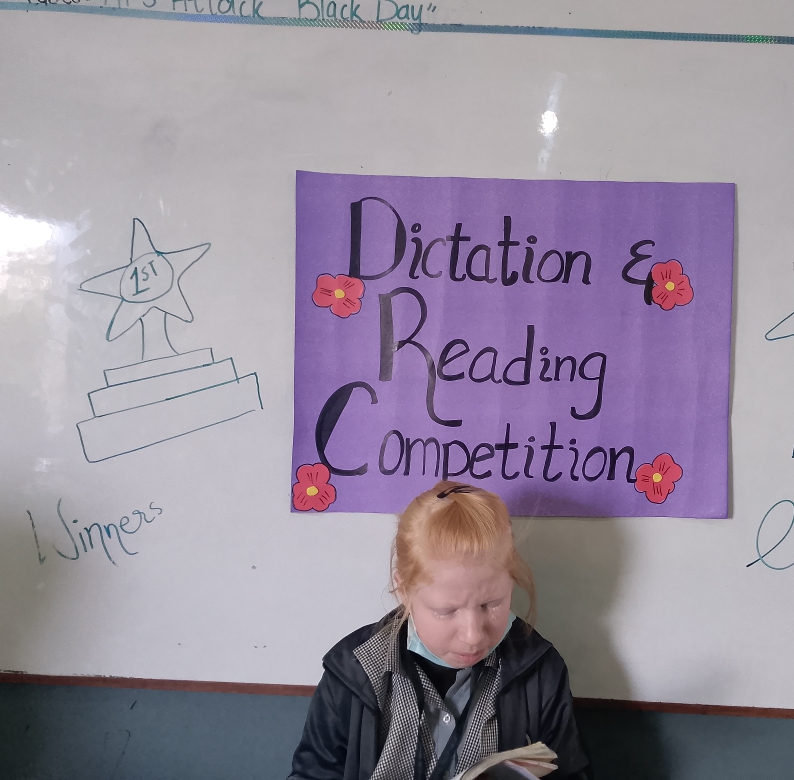
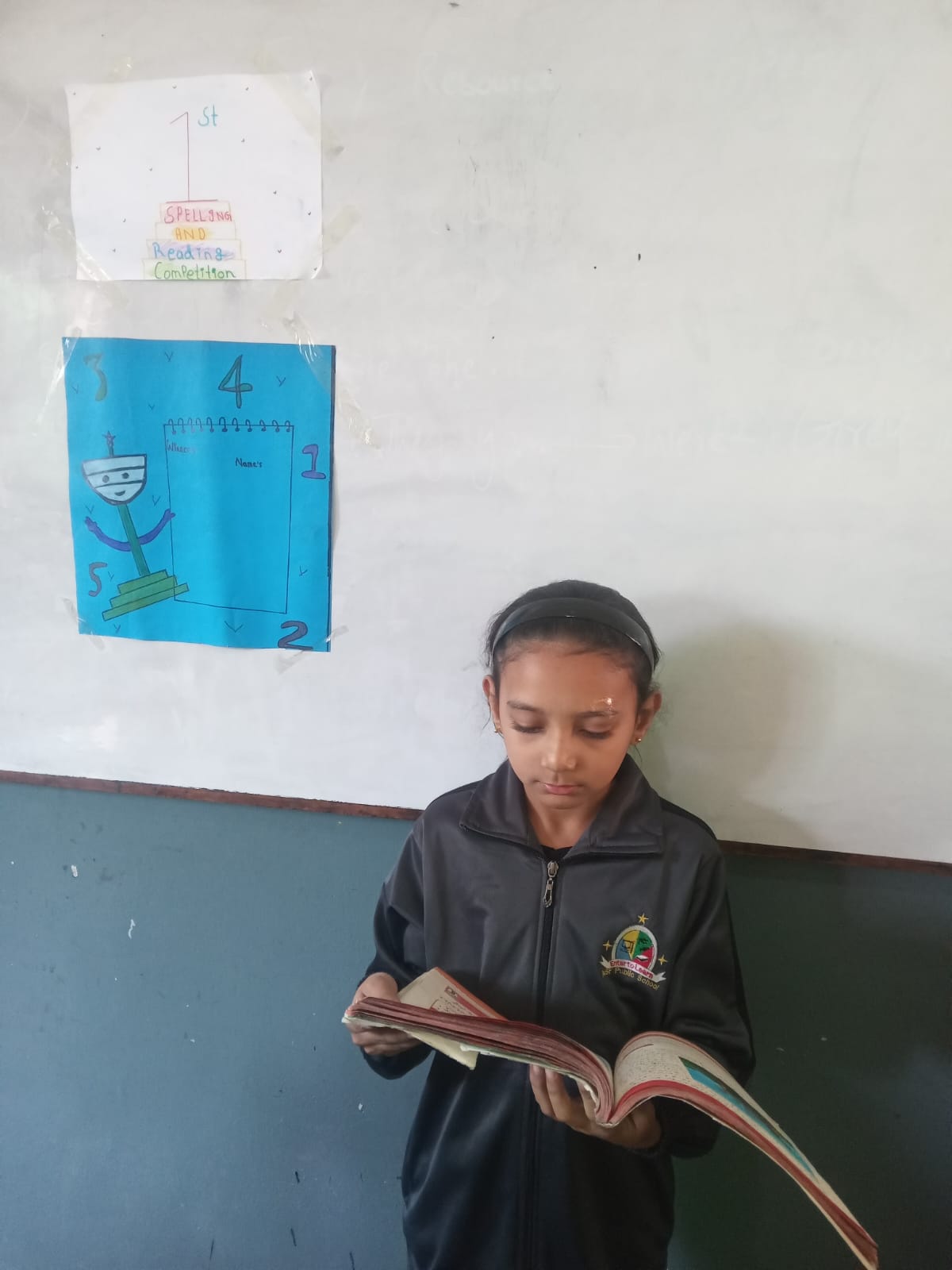
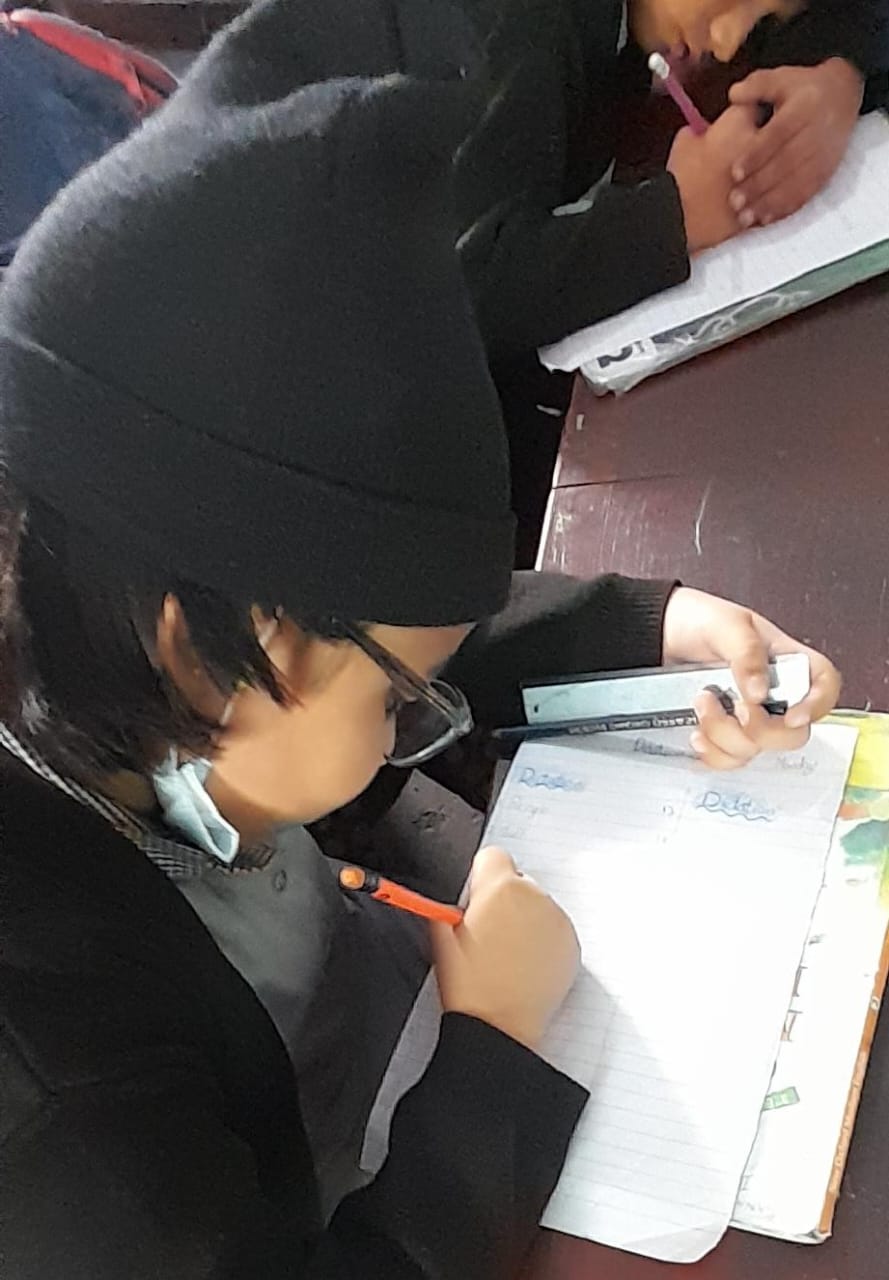
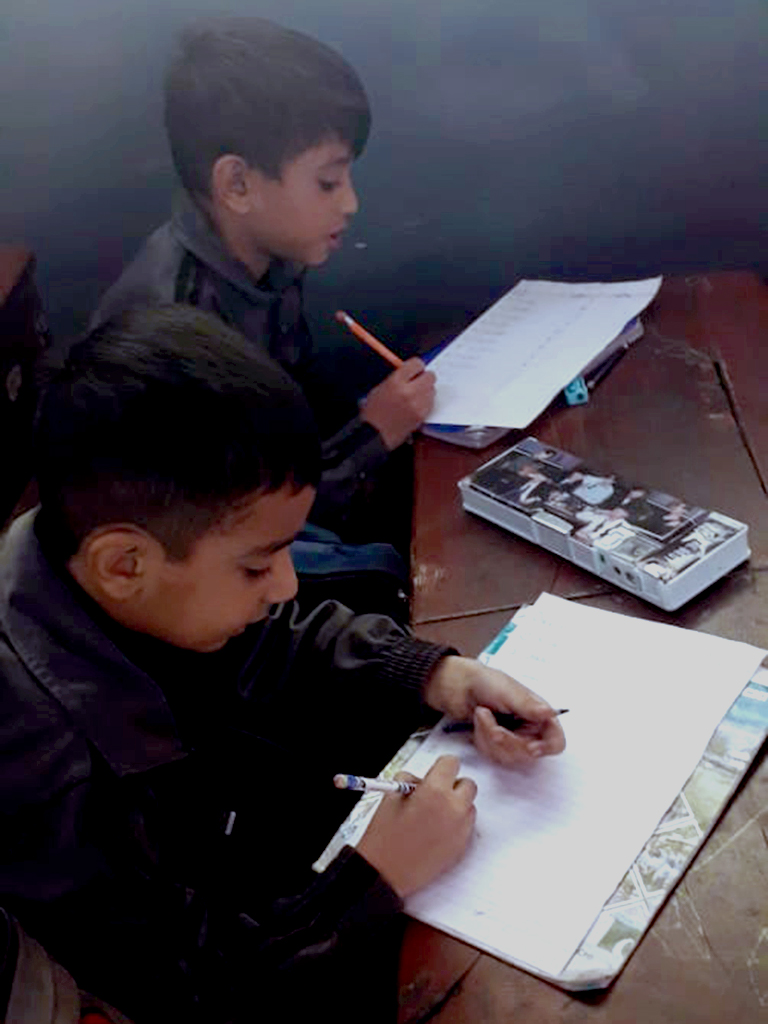
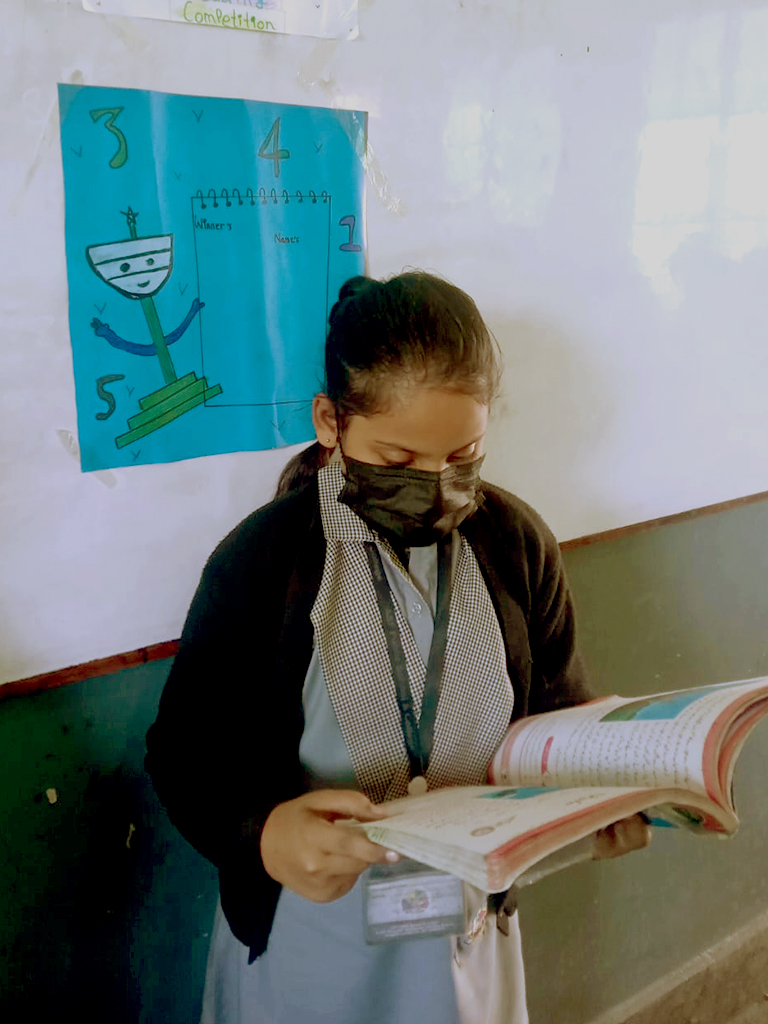
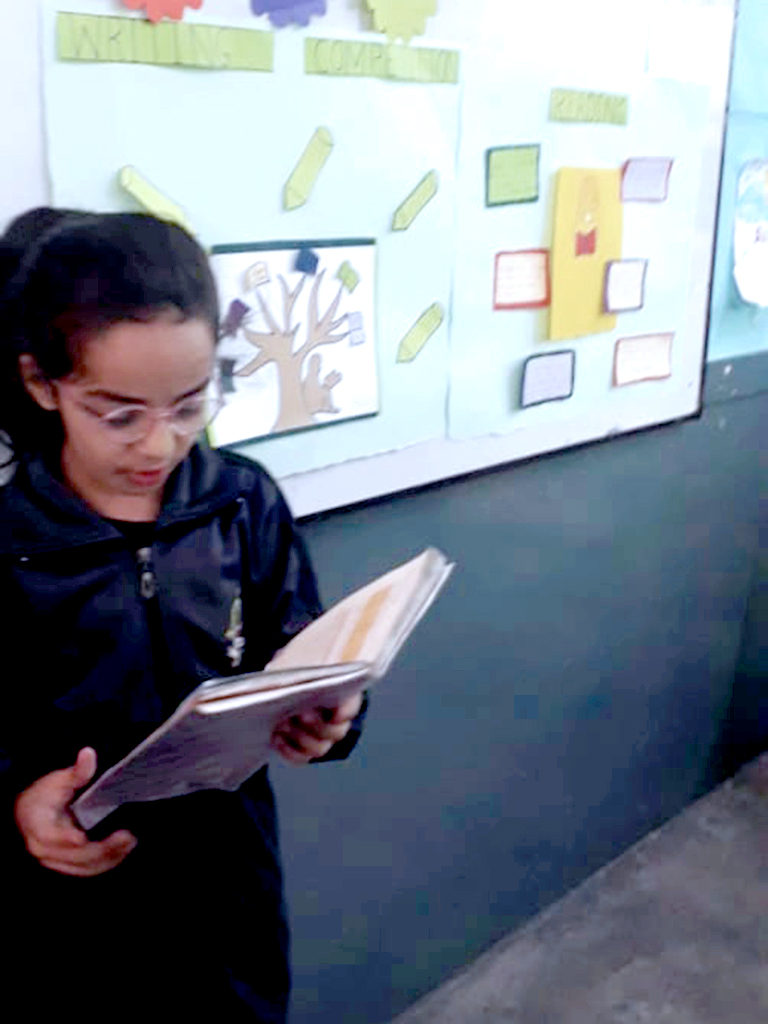
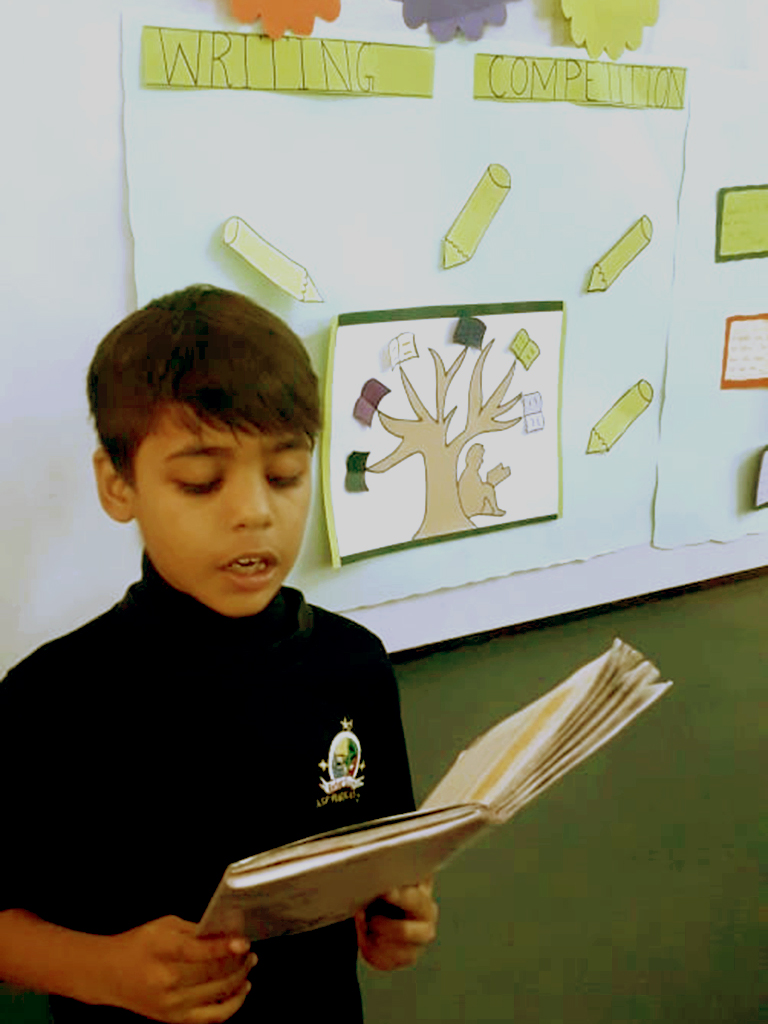
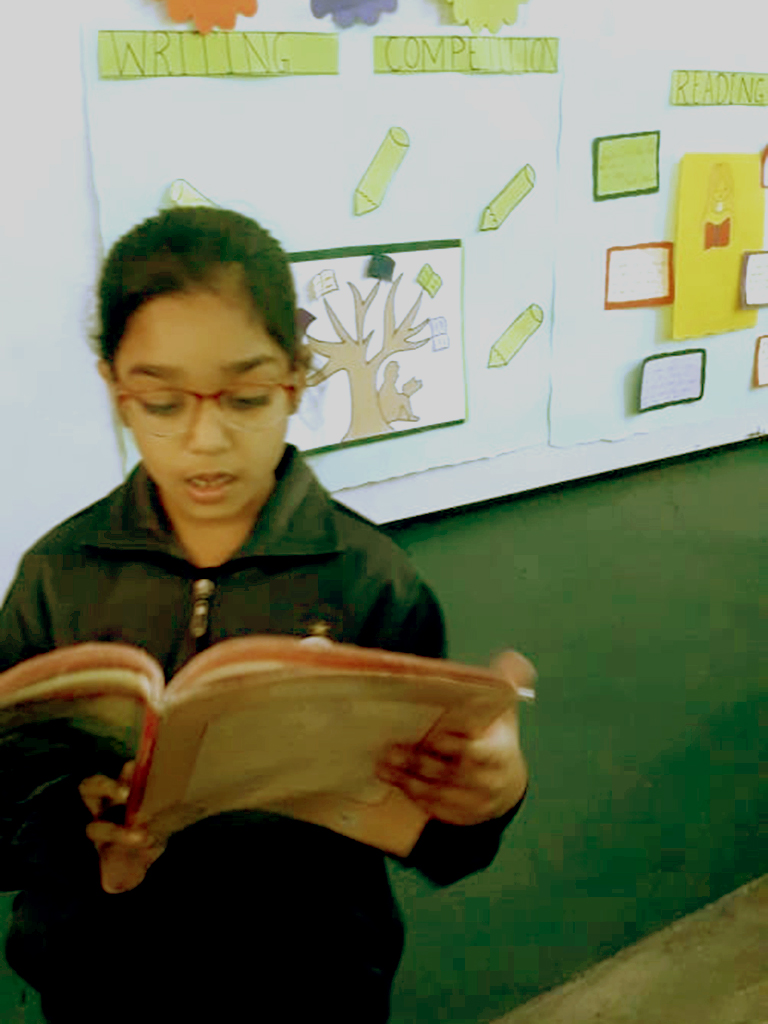
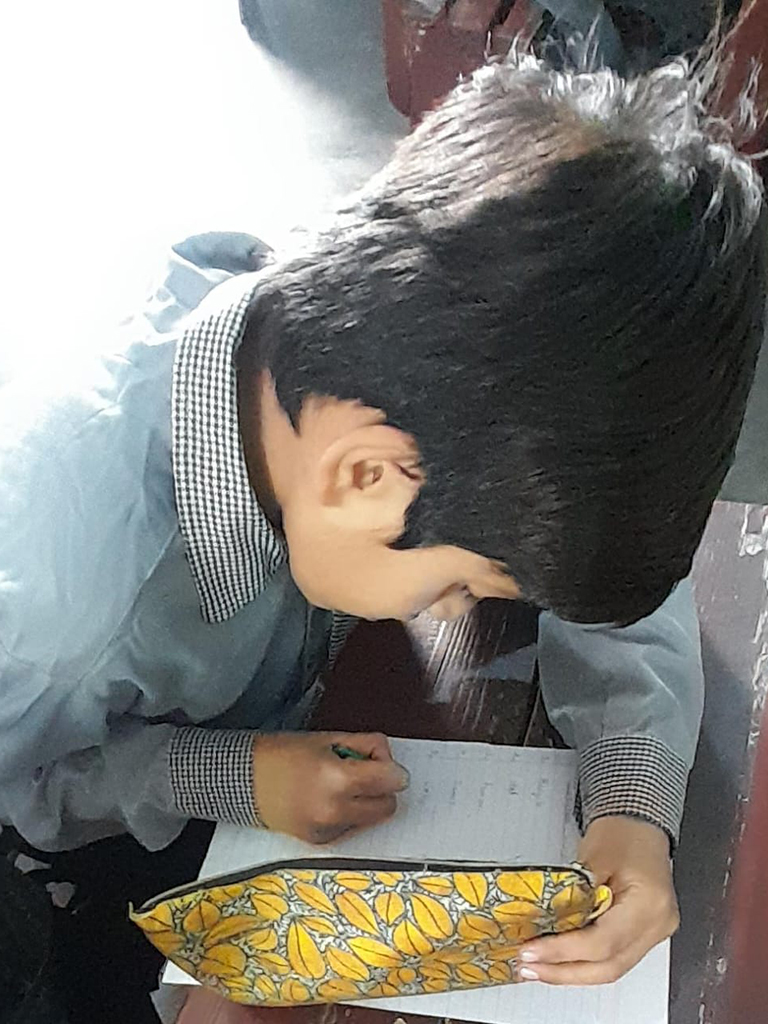
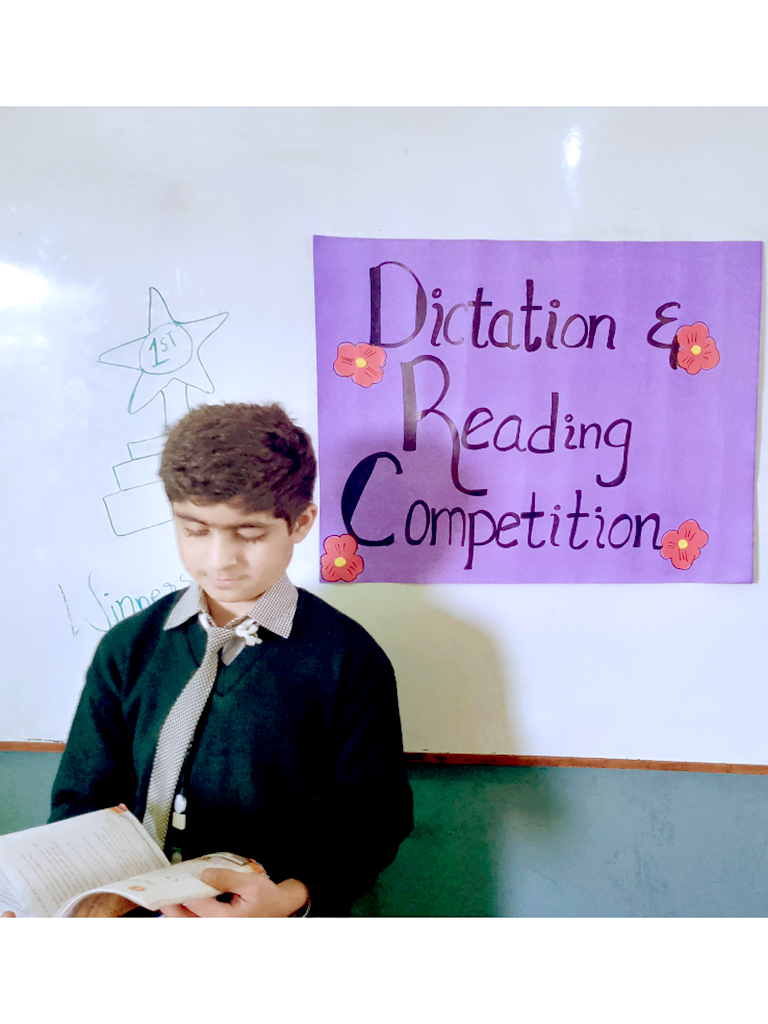
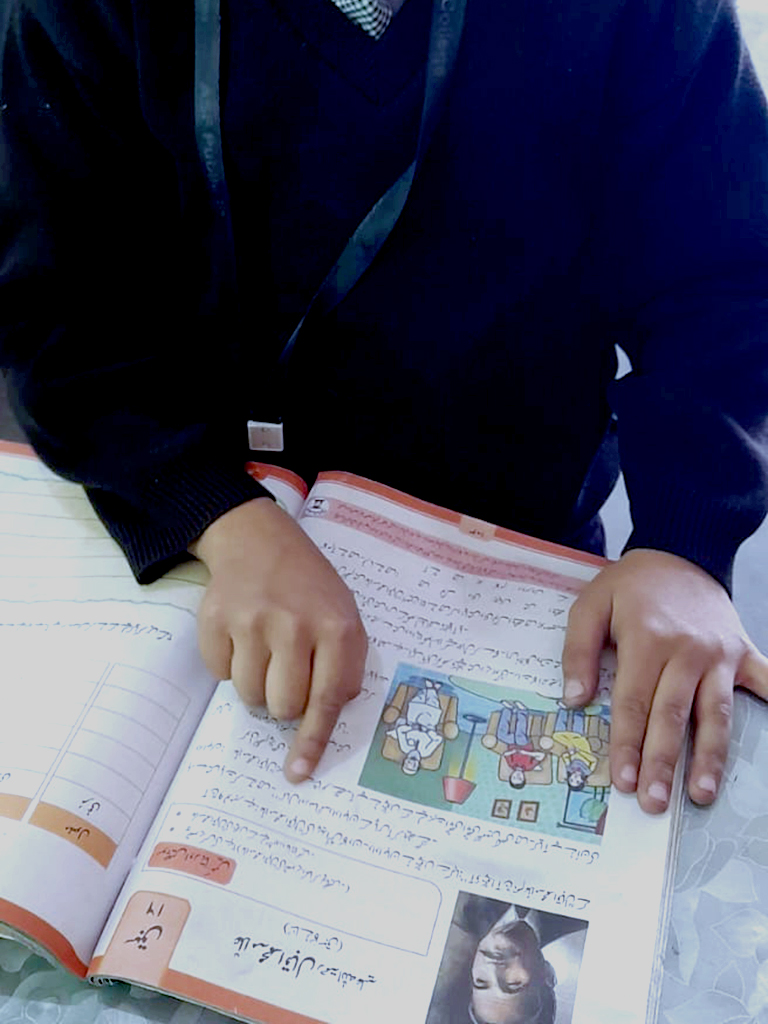
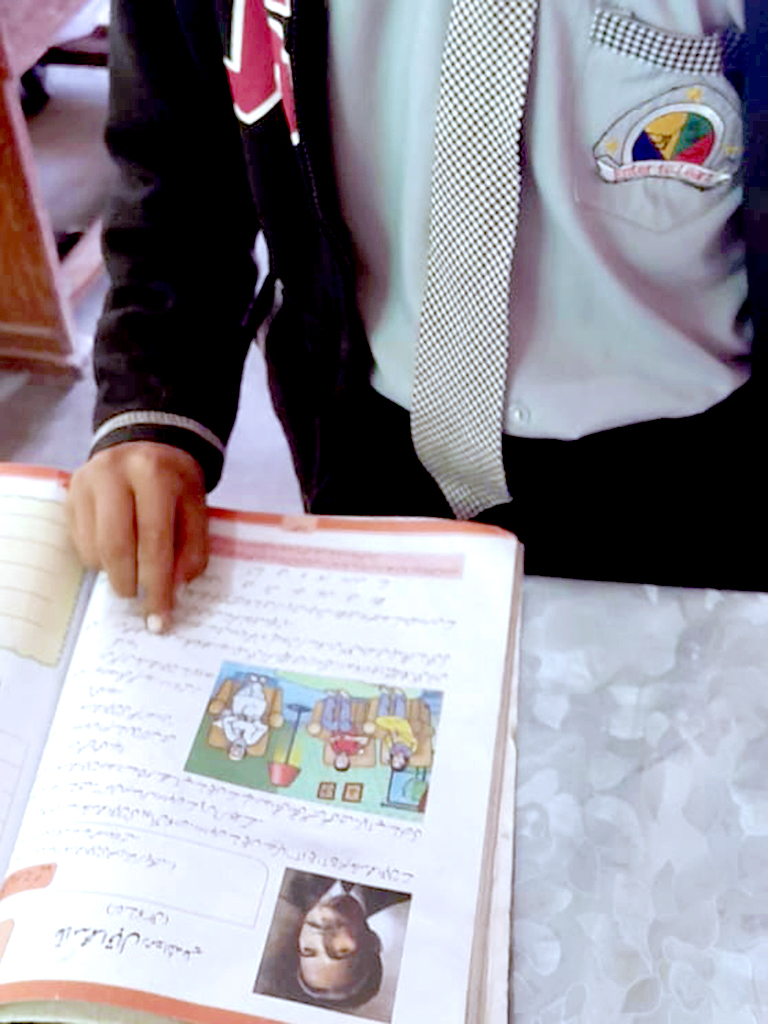
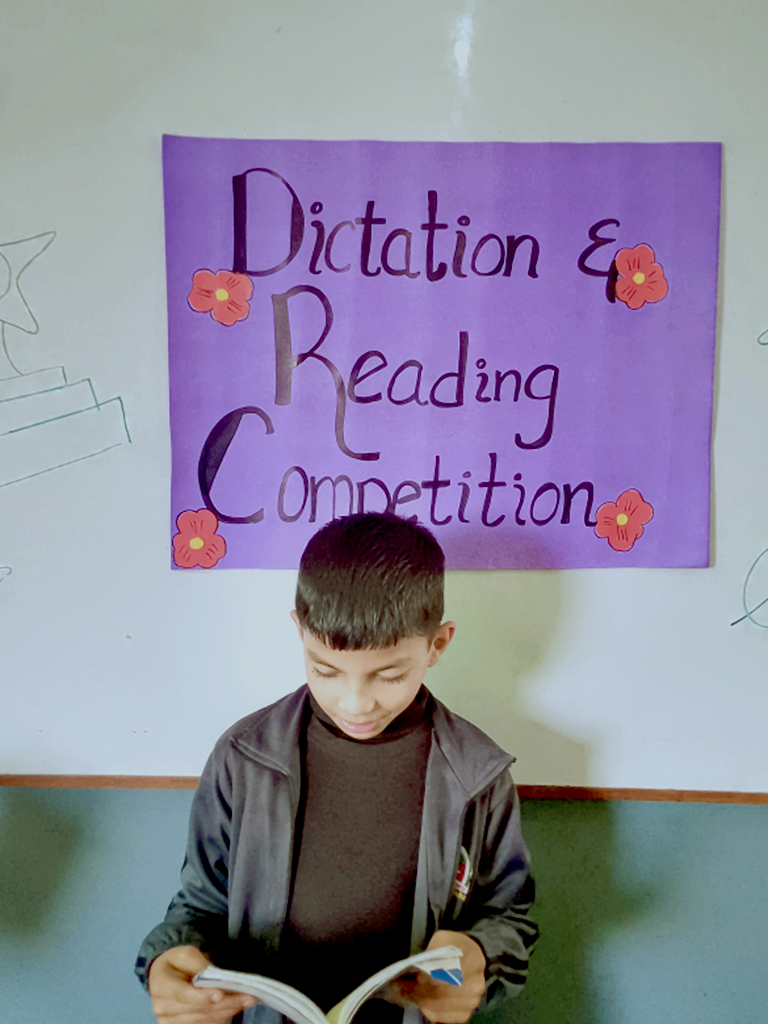
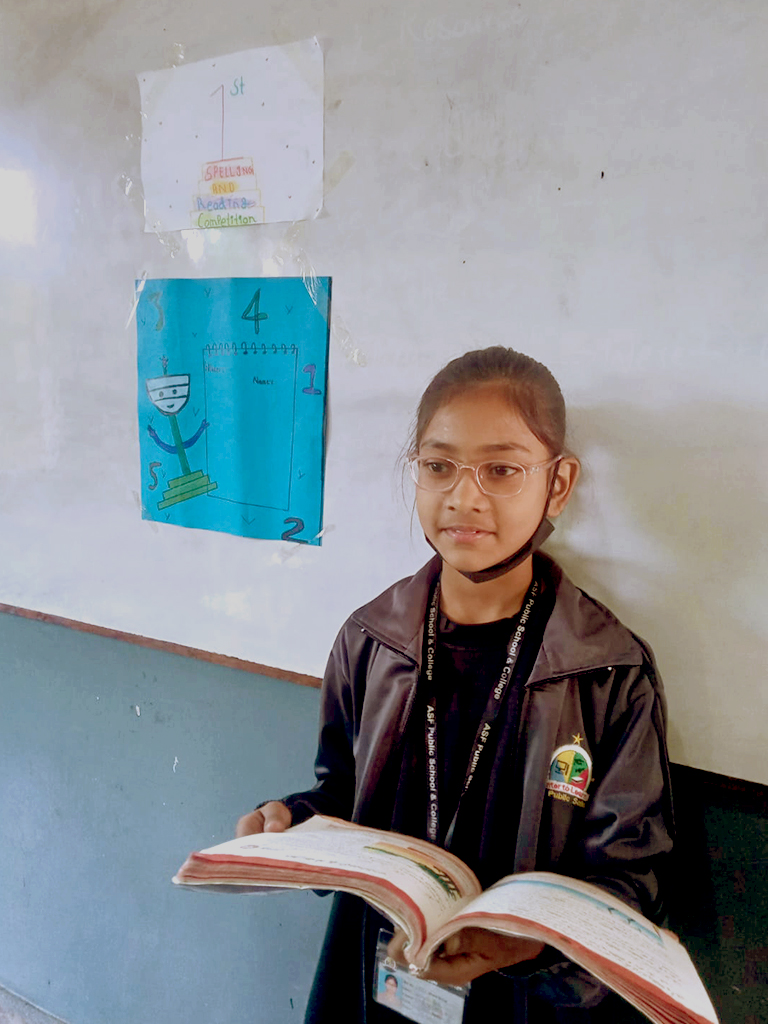
Spelling/Dictation & Reading Competitions are excellent ways to enhance students’ linguistic skills, promote confidence, and encourage a love for language. These competitions are typically held in schools to evaluate and improve students’ abilities in spelling, listening, comprehension, and reading fluency.


1. Spelling Competition:

Students are given words to spell aloud or write down correctly. It tests their vocabulary, memory, and concentration.

Key Objectives:

  • Improve vocabulary and language skills.
  • Enhance focus and active listening.
  • Build confidence and public speaking abilities.

Format:

  • Oral Spelling: Students spell words provided by the judge.
  • Written Spelling: Words are dictated, and students write them.
  • Levels of Difficulty: The competition progresses from simple to more complex words.

Preparation Tips for Students:

  • Learn new words daily and understand their meanings.
  • Practice with word lists based on grade levels.
  • Focus on commonly misspelled words and their usage.

2. Dictation Competition:

Students write down words, sentences, or paragraphs as dictated by a teacher or announcer. This tests their listening, comprehension, and writing accuracy.

Key Objectives:

  • Improve listening skills and attention to detail.
  • Reinforce grammar, spelling, and punctuation.
  • Encourage active engagement in language learning.

Preparation Tips:

  • Practice writing while listening to recordings or reading aloud.
  • Focus on punctuation marks and sentence structures.
  • Work on tricky spellings and homophones (e.g., there/their, hear/here).

3. Reading Competition:

Students read passages aloud to showcase fluency, pronunciation, and expressiveness.

Key Objectives:

  • Promote reading habits and comprehension.
  • Improve articulation and pronunciation.
  • Encourage expressive and confident public speaking.

Judging Criteria:

  • Pronunciation and clarity.
  • Fluency and rhythm.
  • Expression and voice modulation.

Preparation Tips:

  • Practice reading different types of texts, such as stories, articles, or poems.
  • Work on articulation and tone variations.
  • Record and listen to your reading for self-evaluation.

Benefits for Students:

  • Enhances language proficiency.
  • Builds confidence in communication skills.
  • Prepares students for academic and professional success.

Competitions like these are valuable for fostering a love of learning and helping students realize their potential. Whether it’s spelling a tricky word, perfecting a dictated passage, or delivering a flawless reading, these activities empower students to shine linguistically.

Leave a Reply

Your email address will not be published. Required fields are marked *