








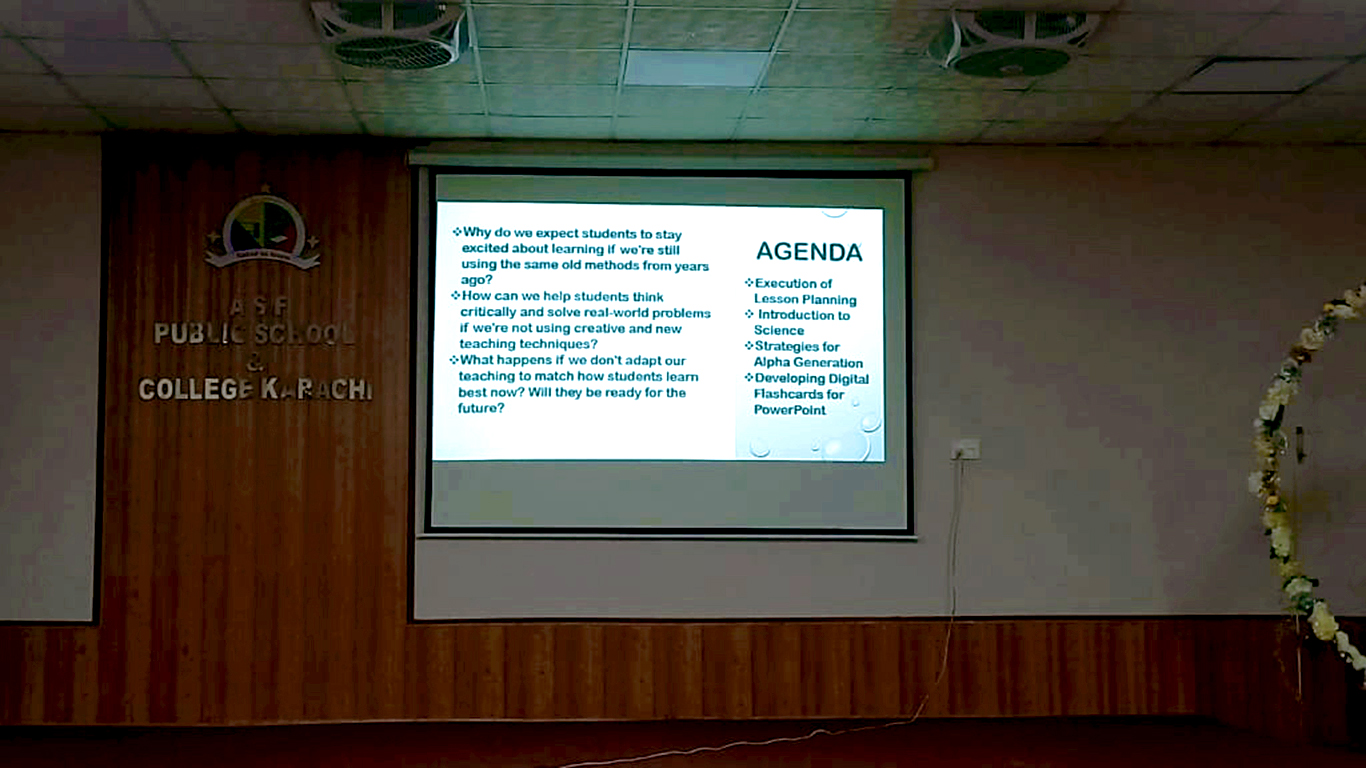


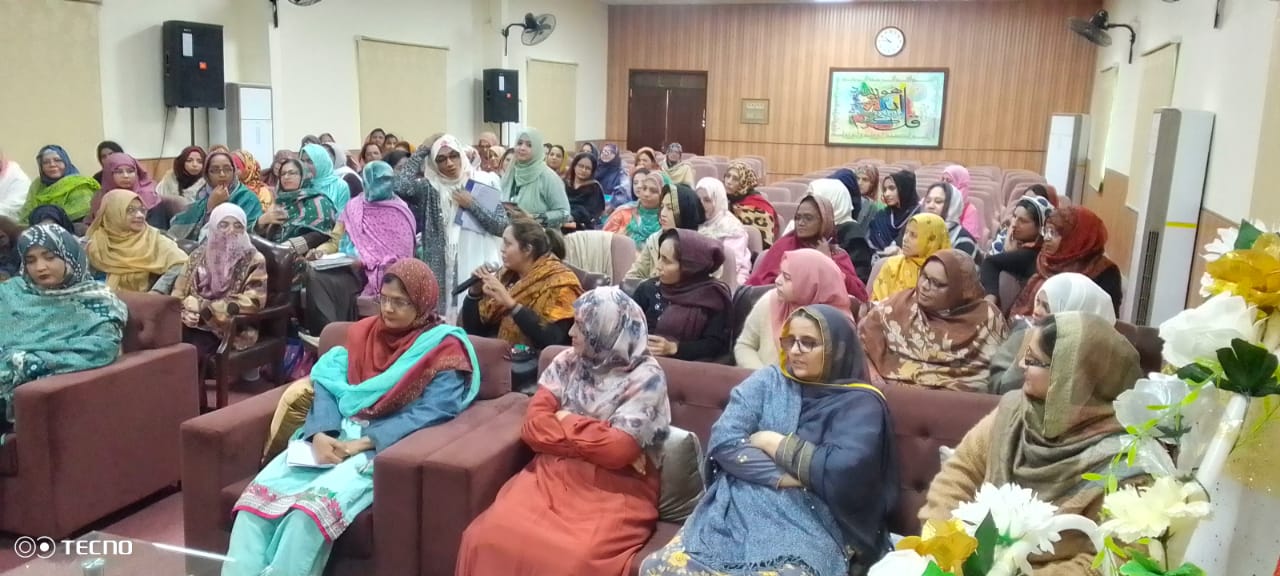
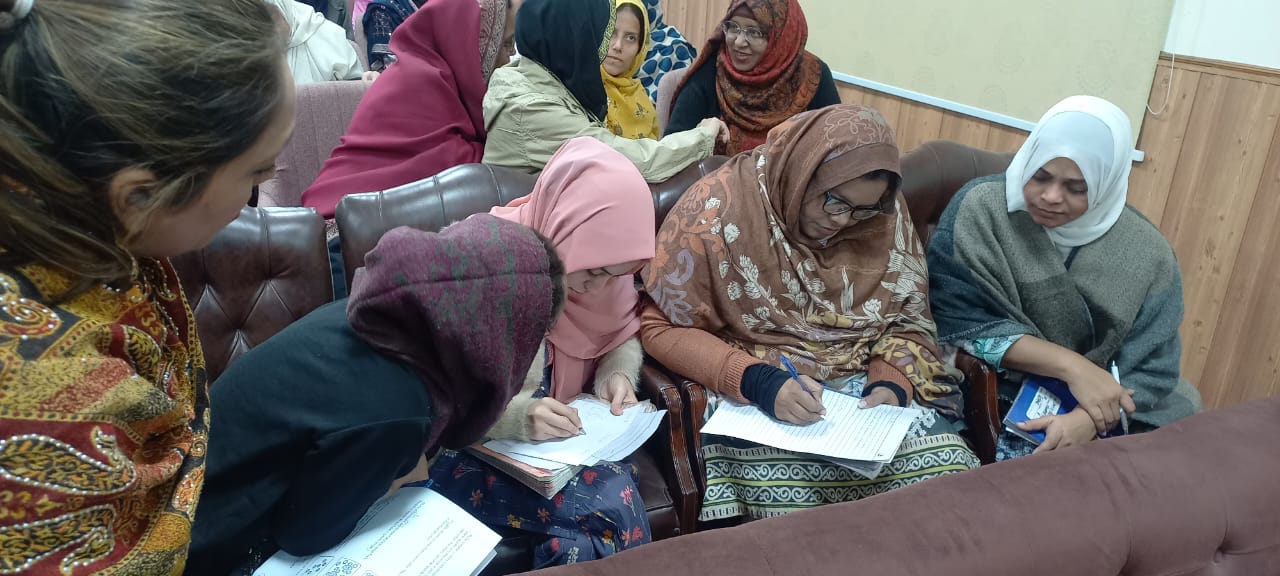
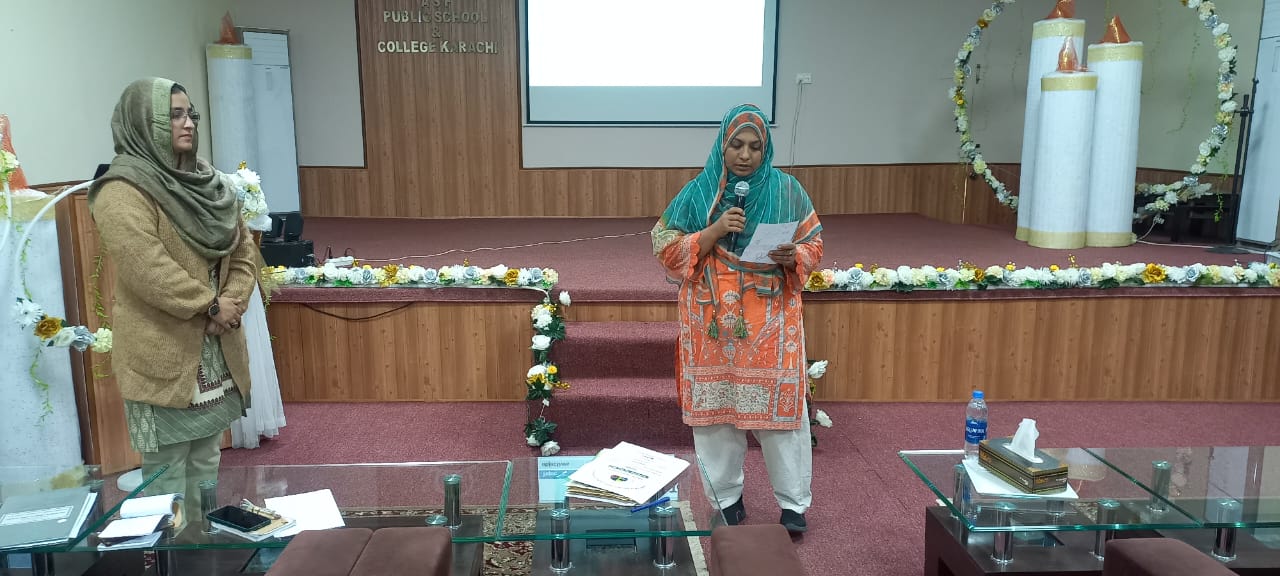
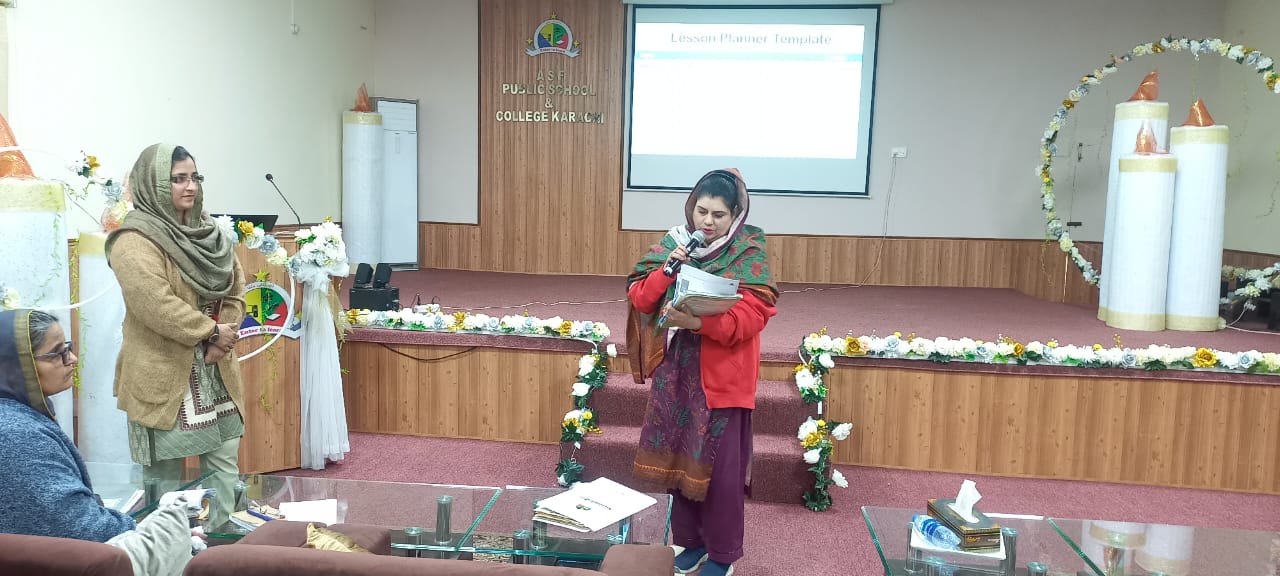


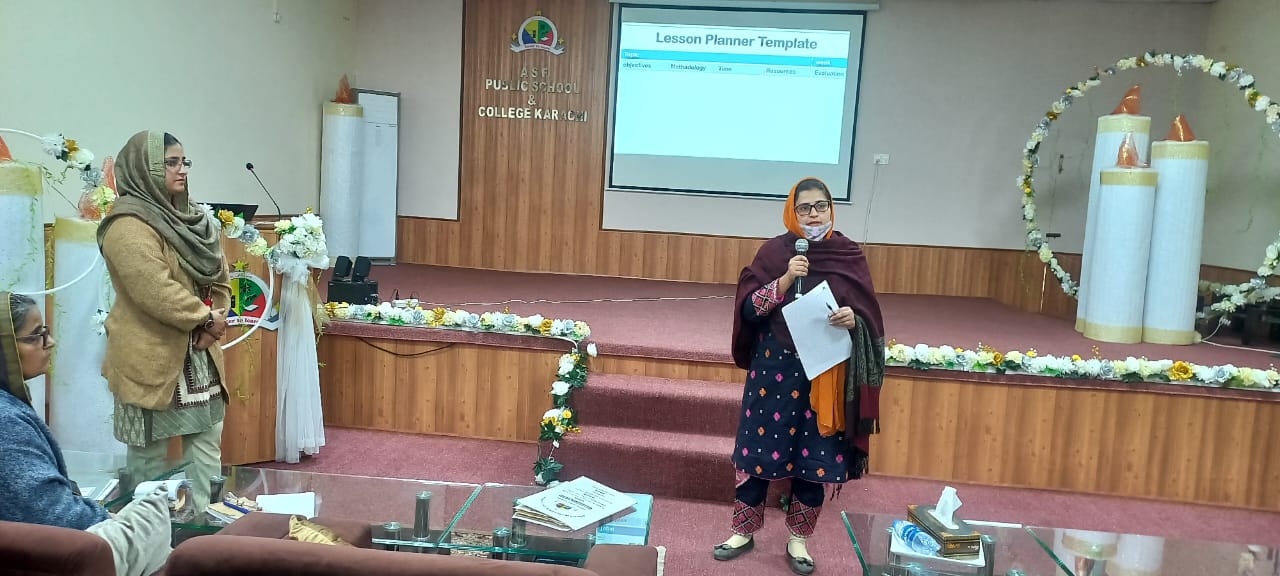
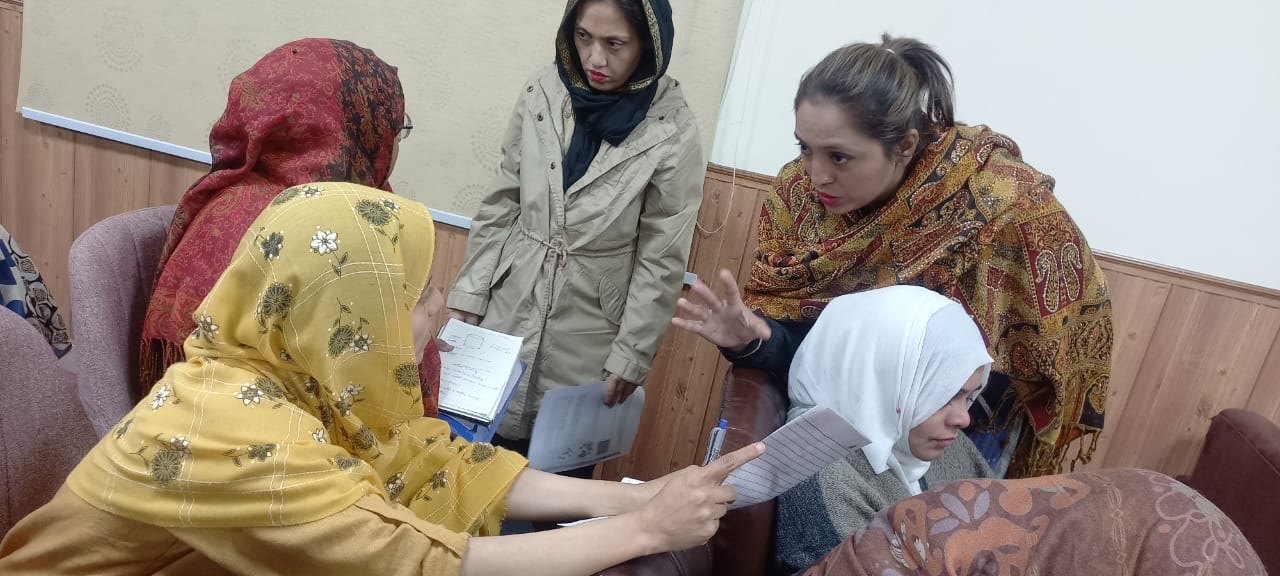
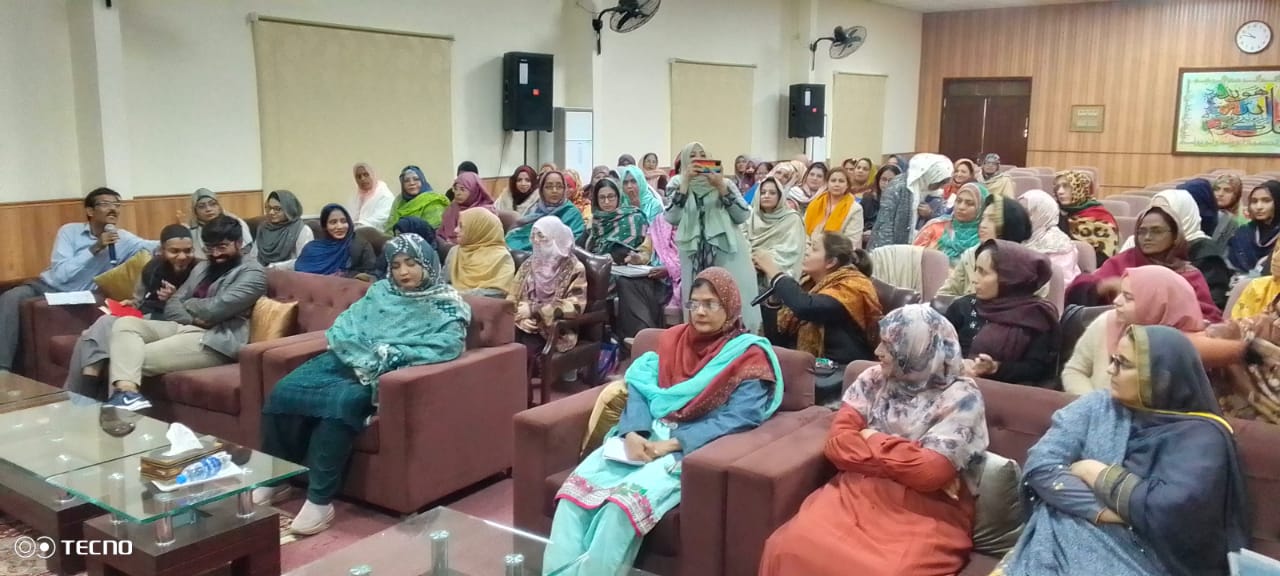
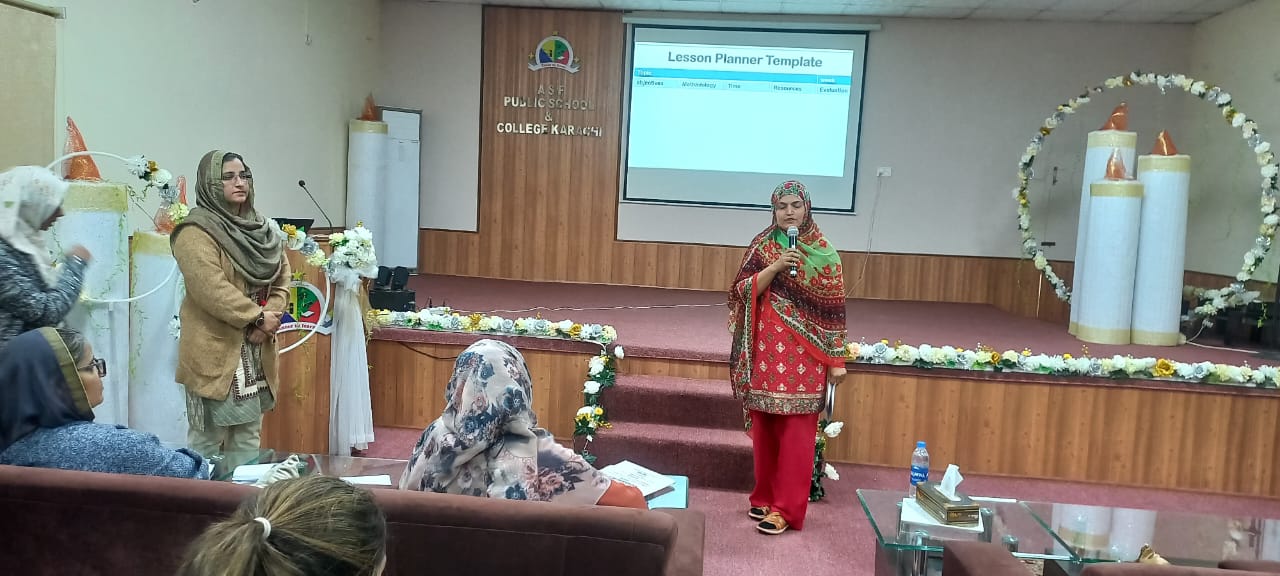
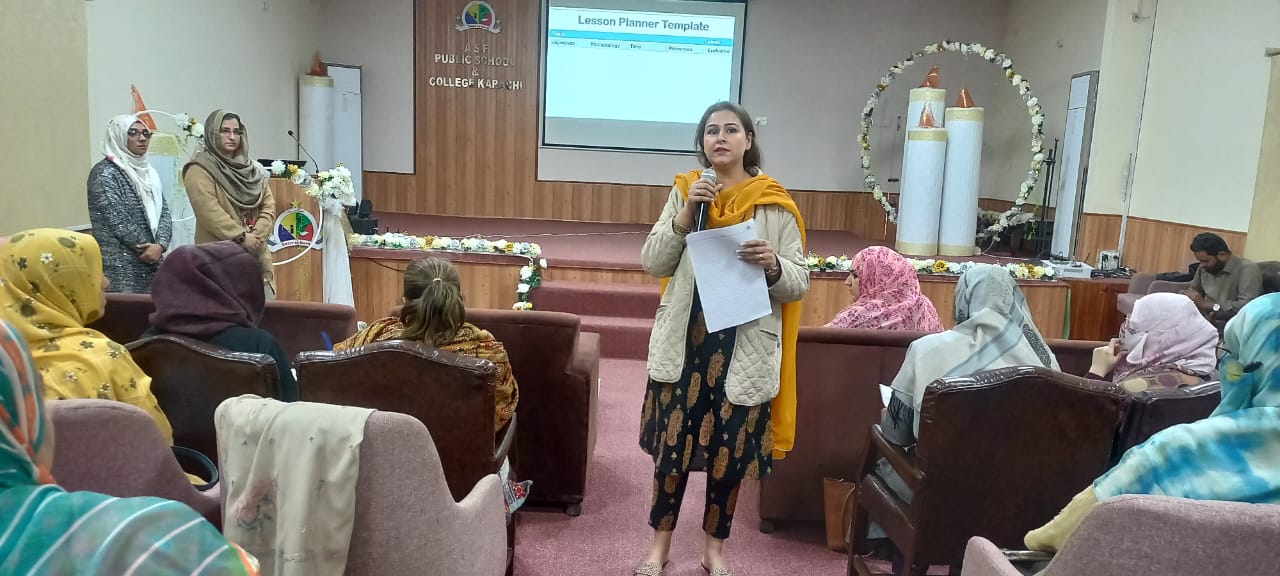


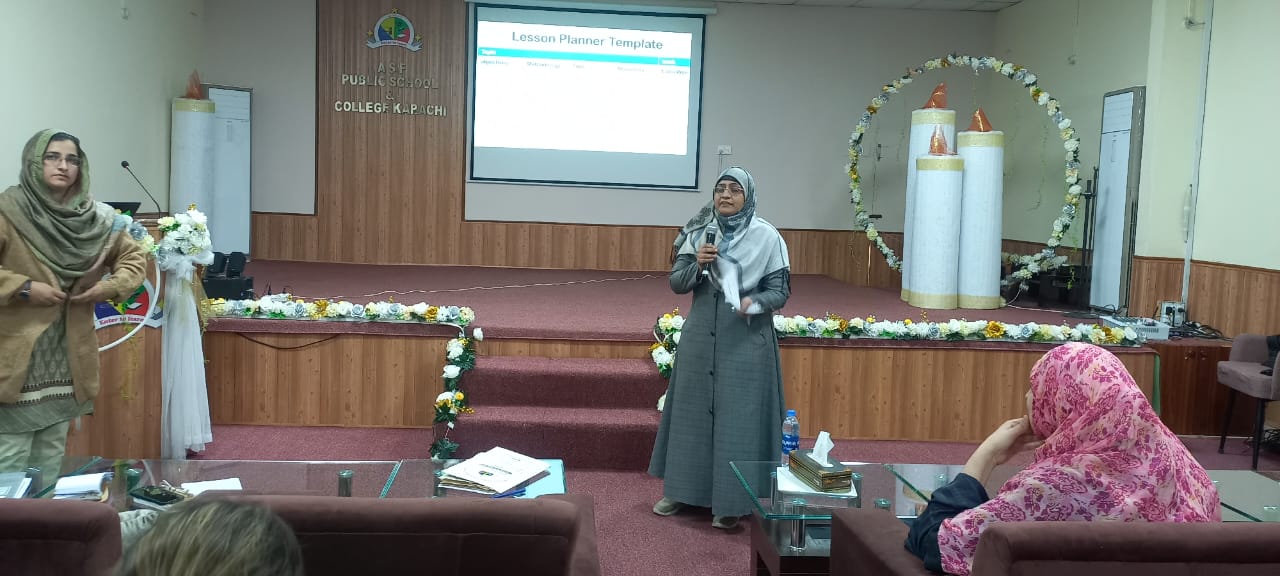
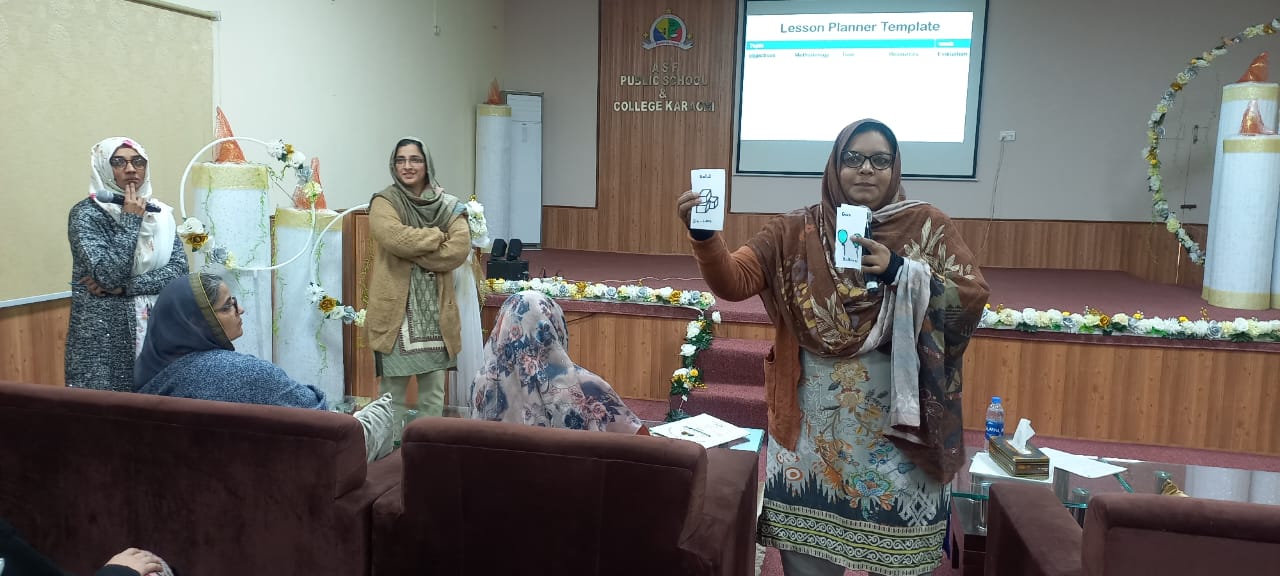
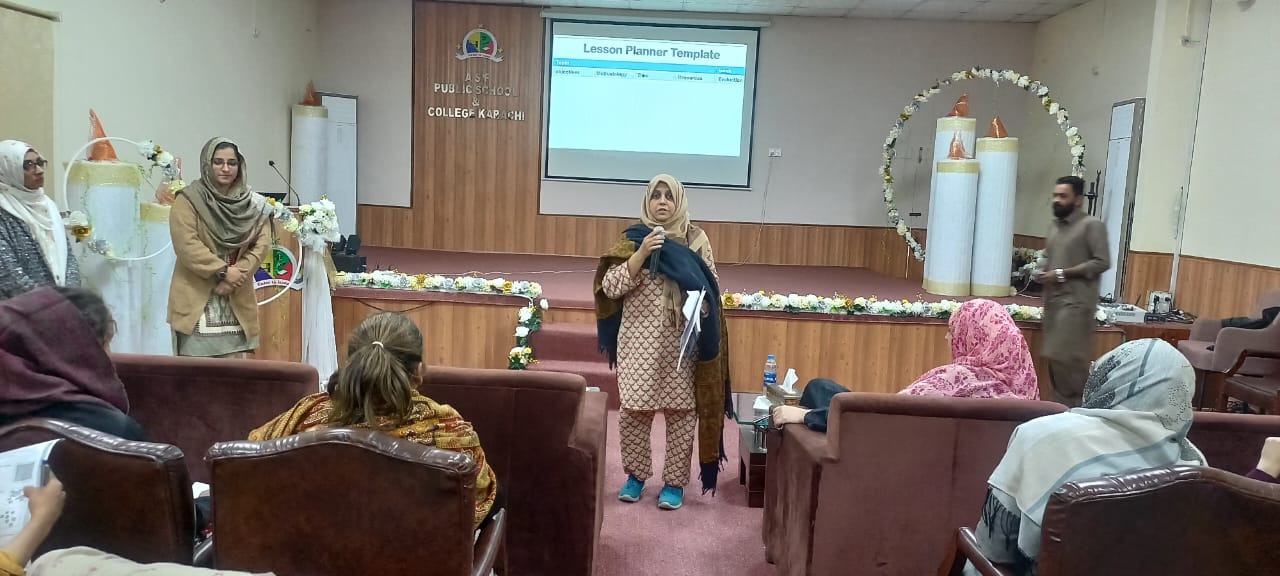
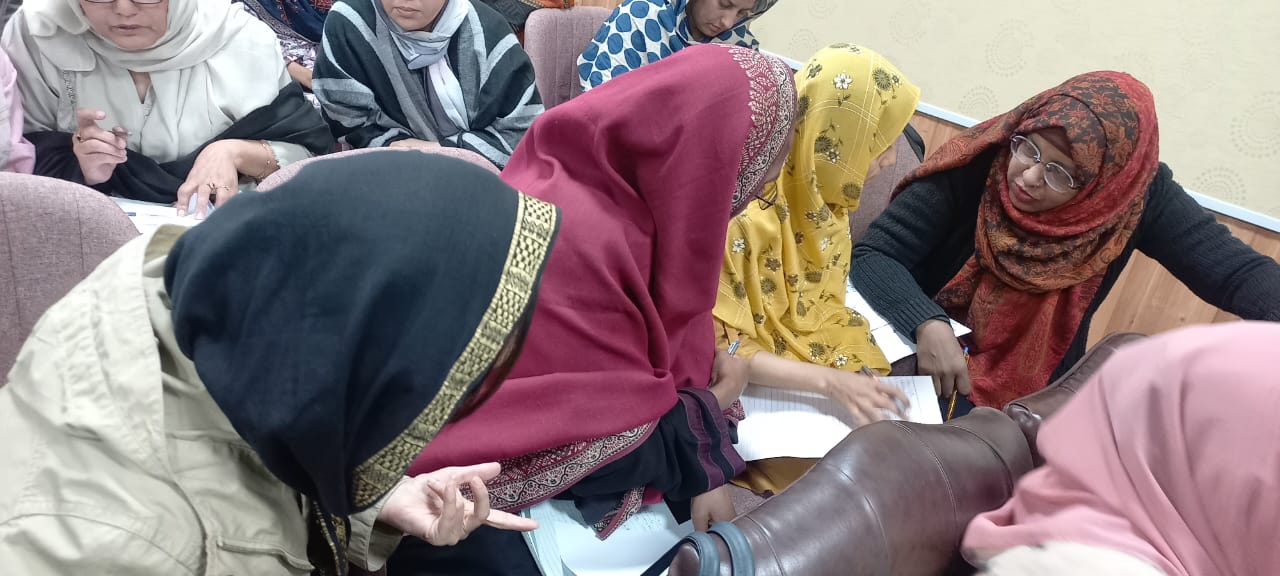
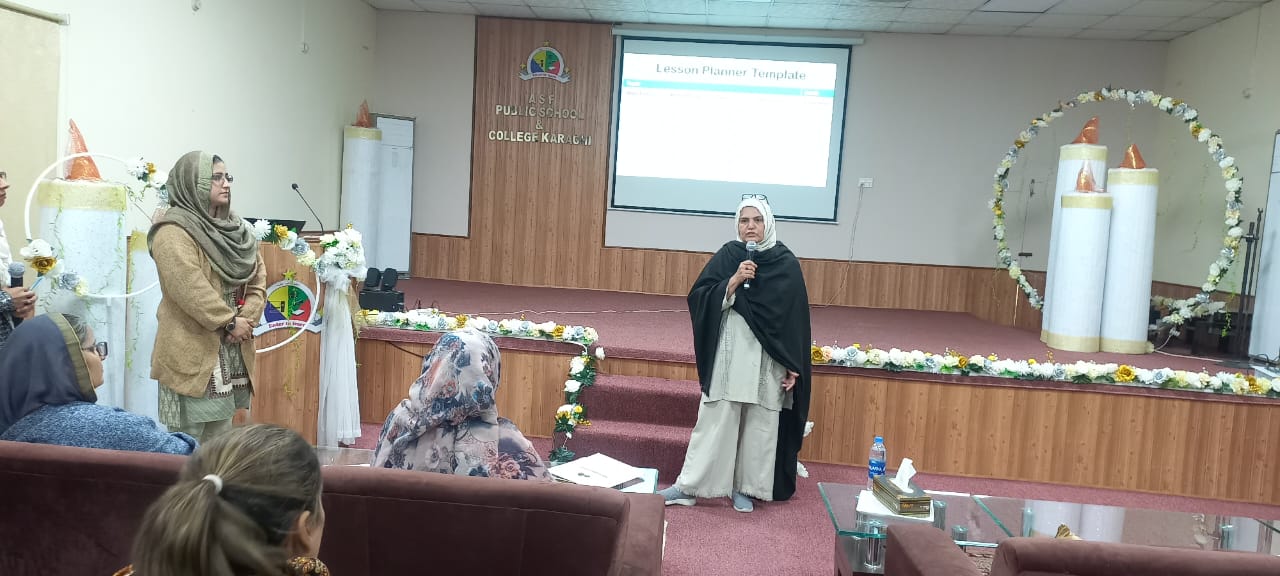
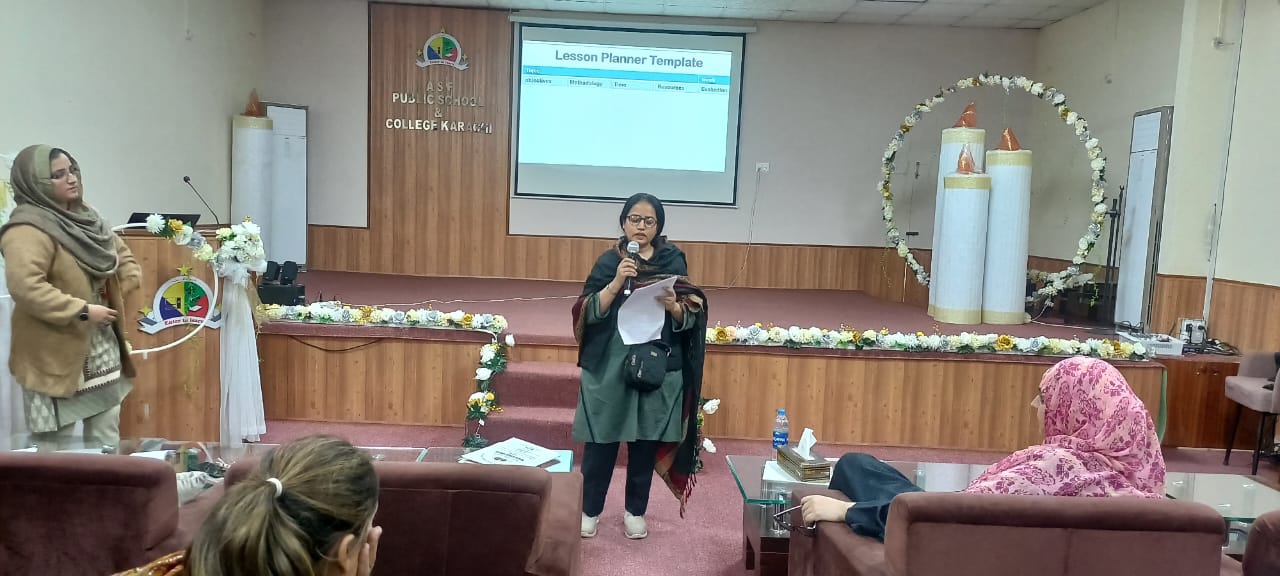
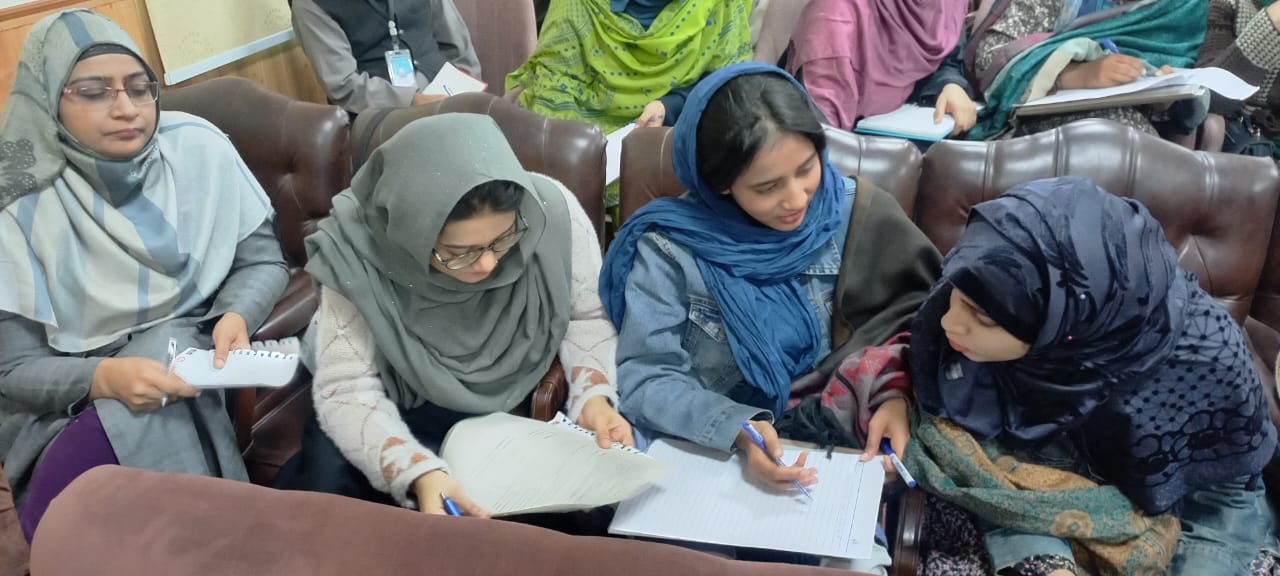
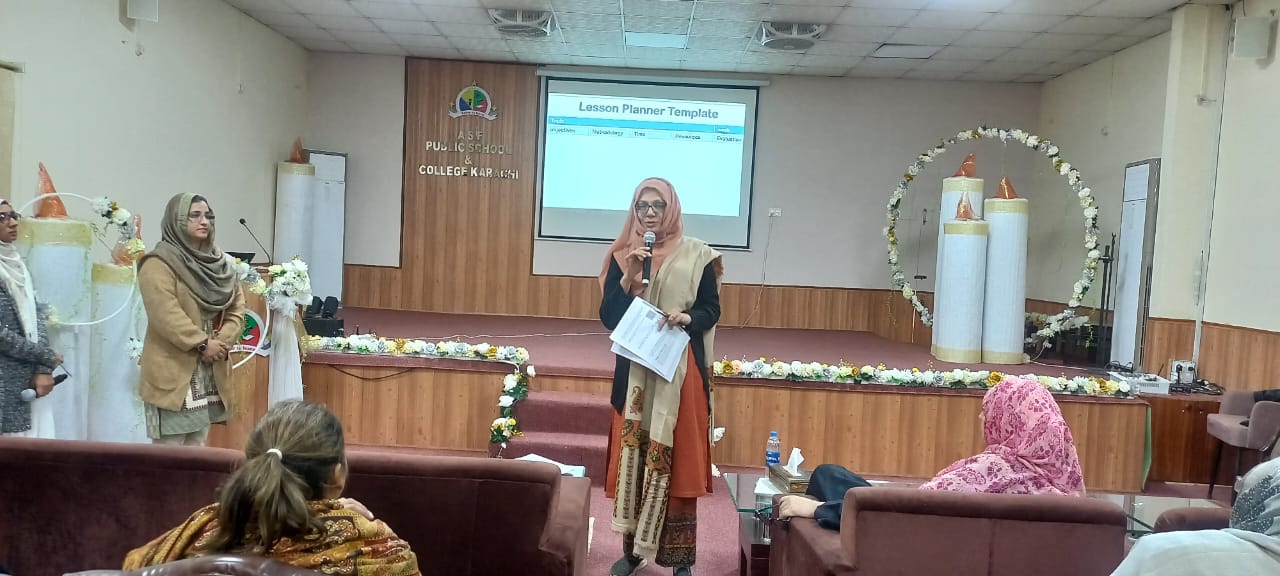
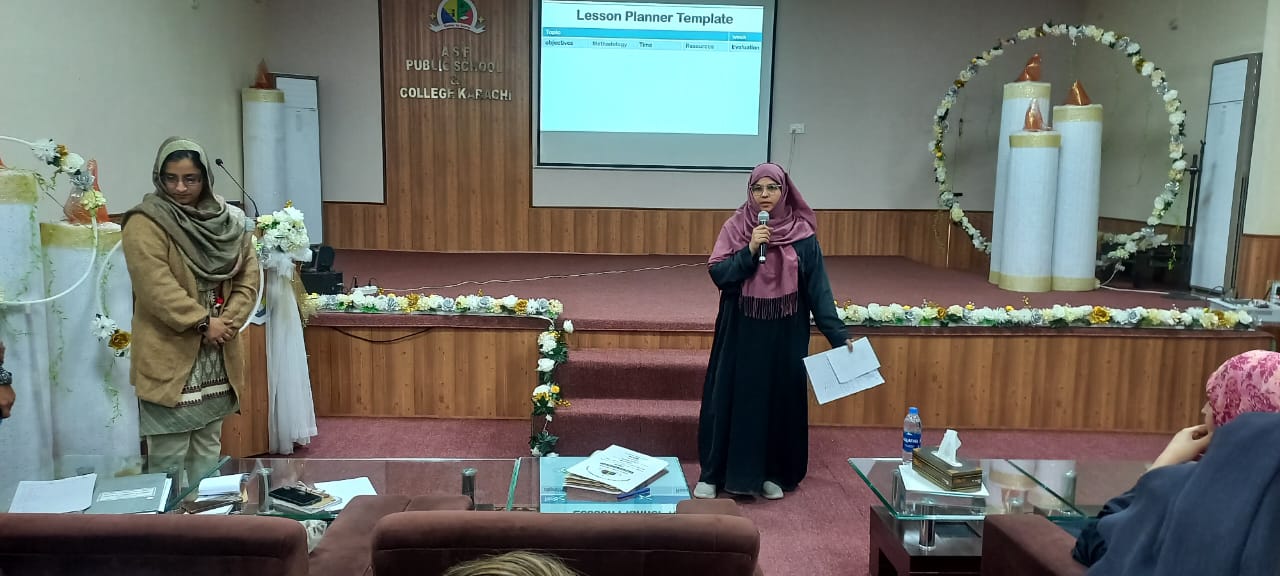

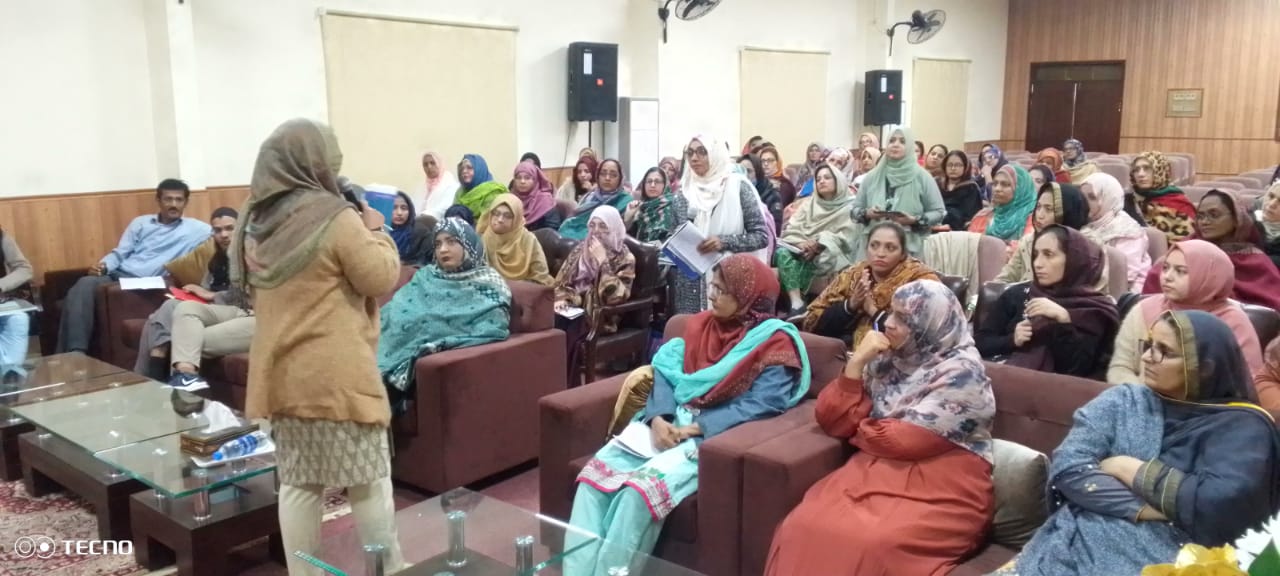
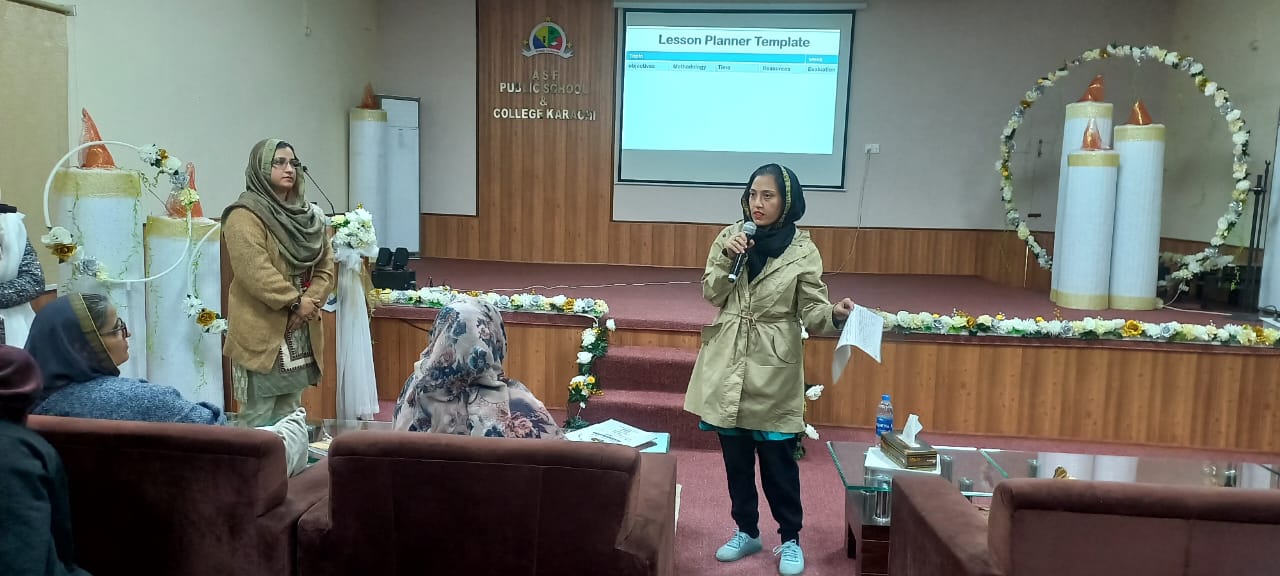
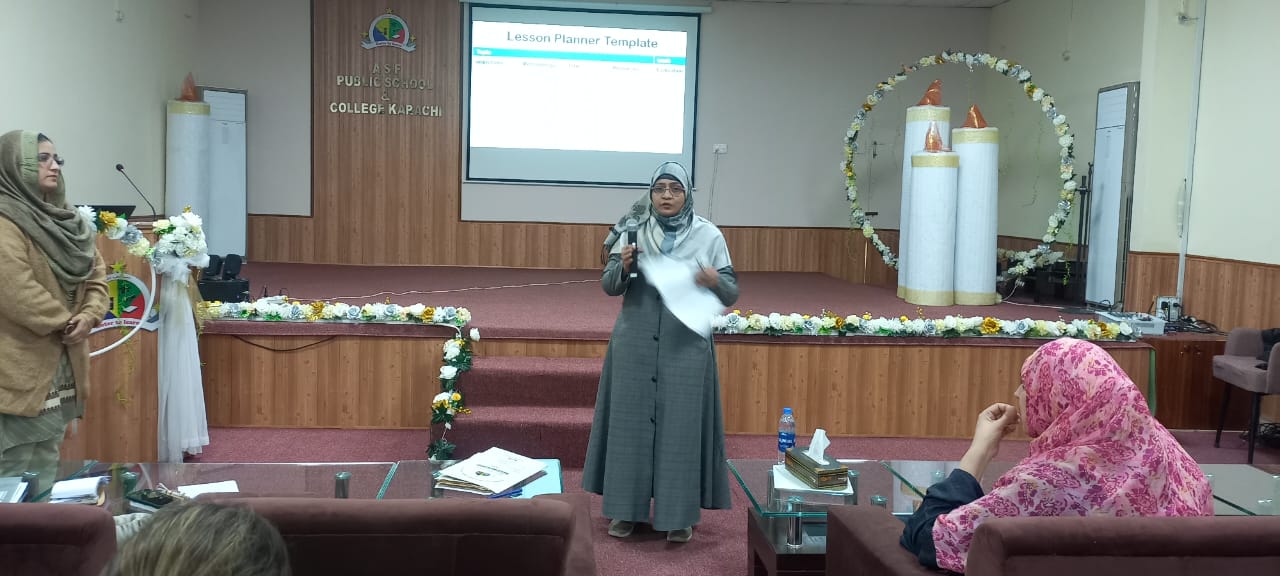

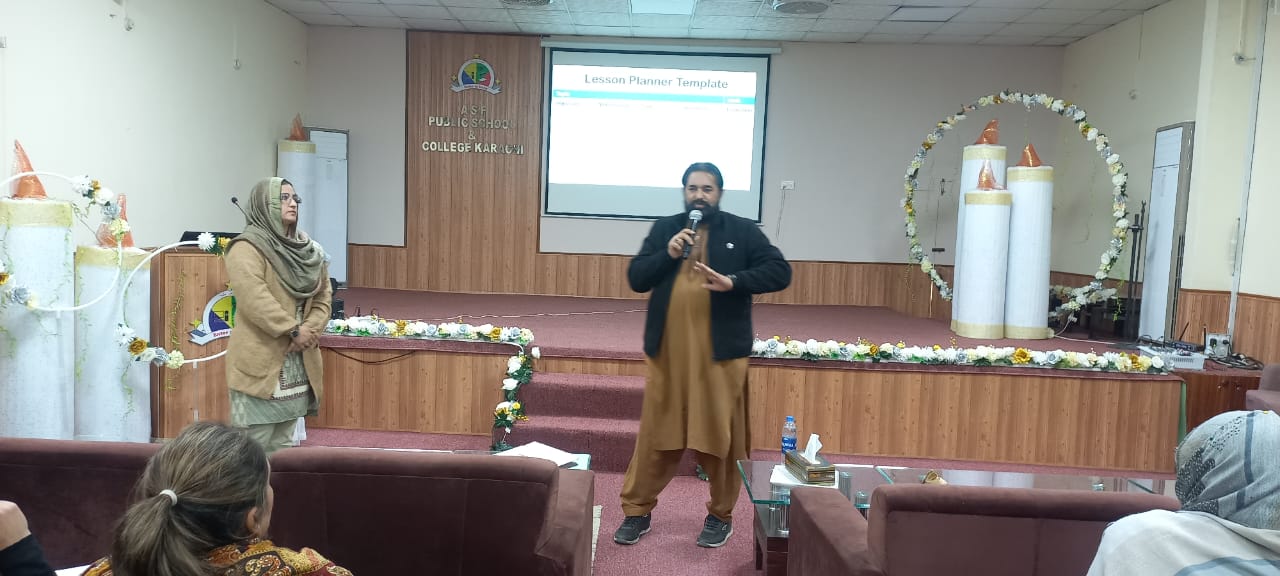


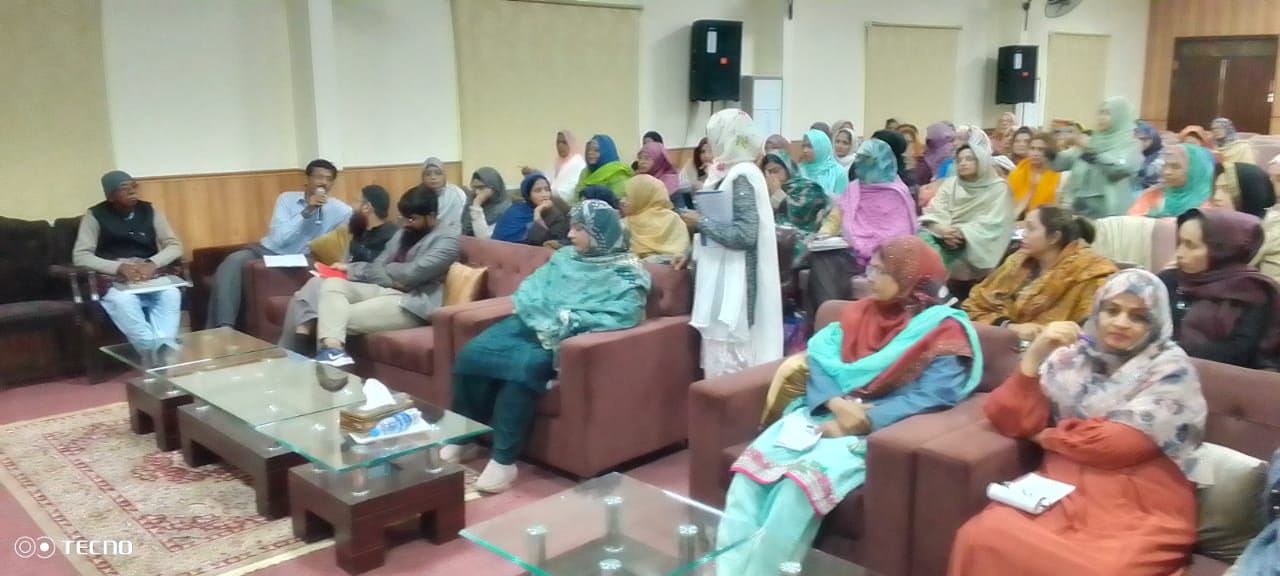
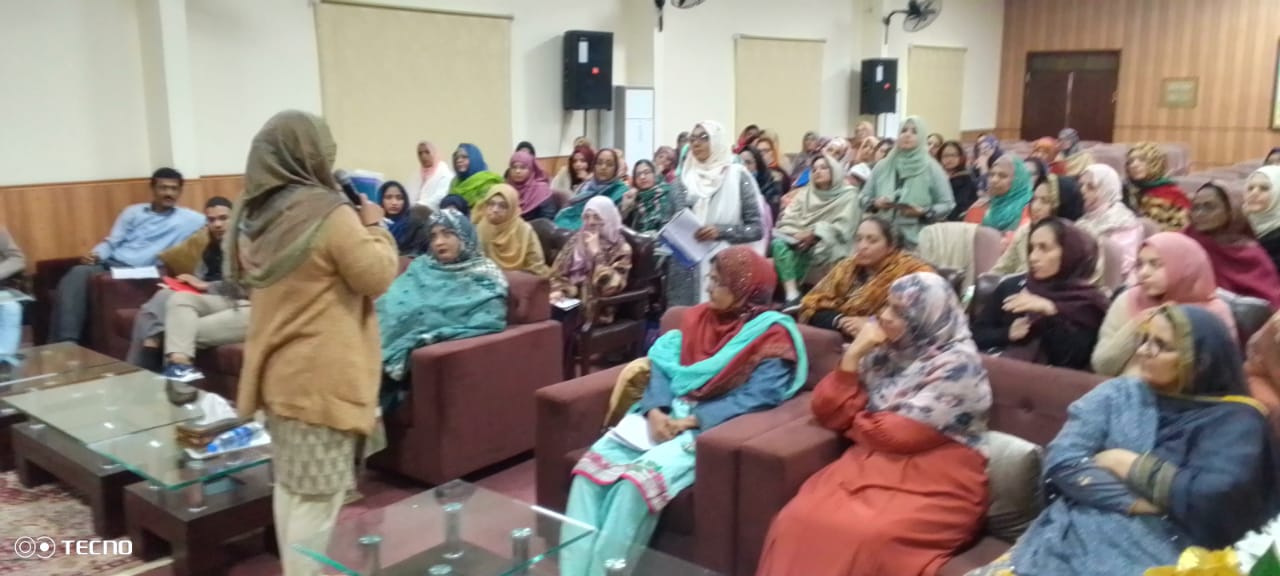
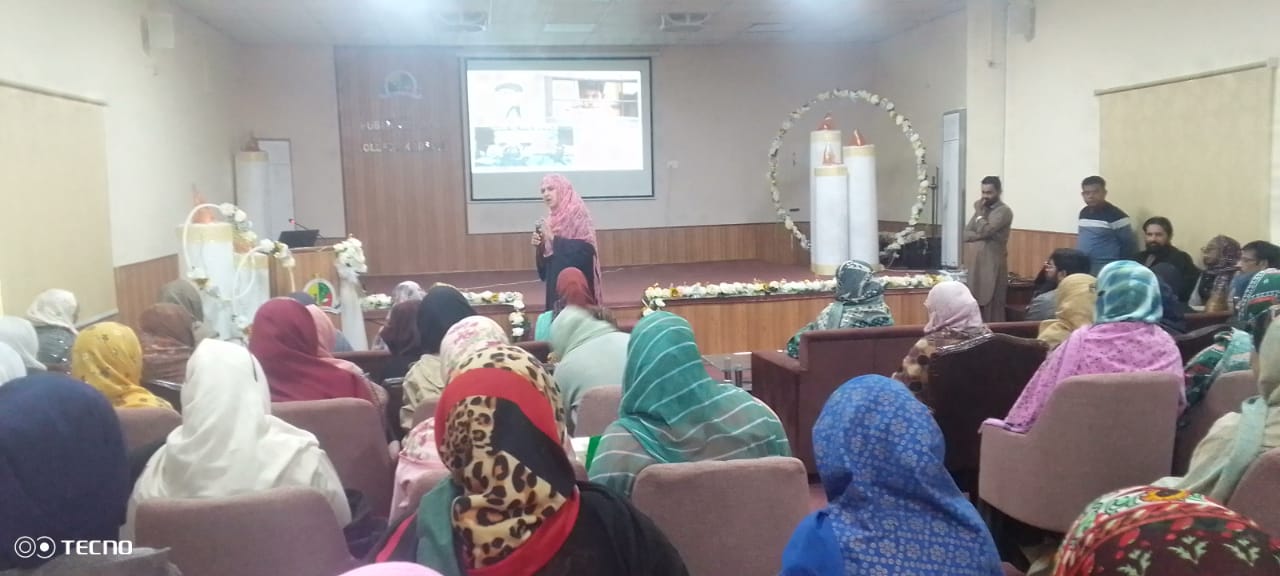
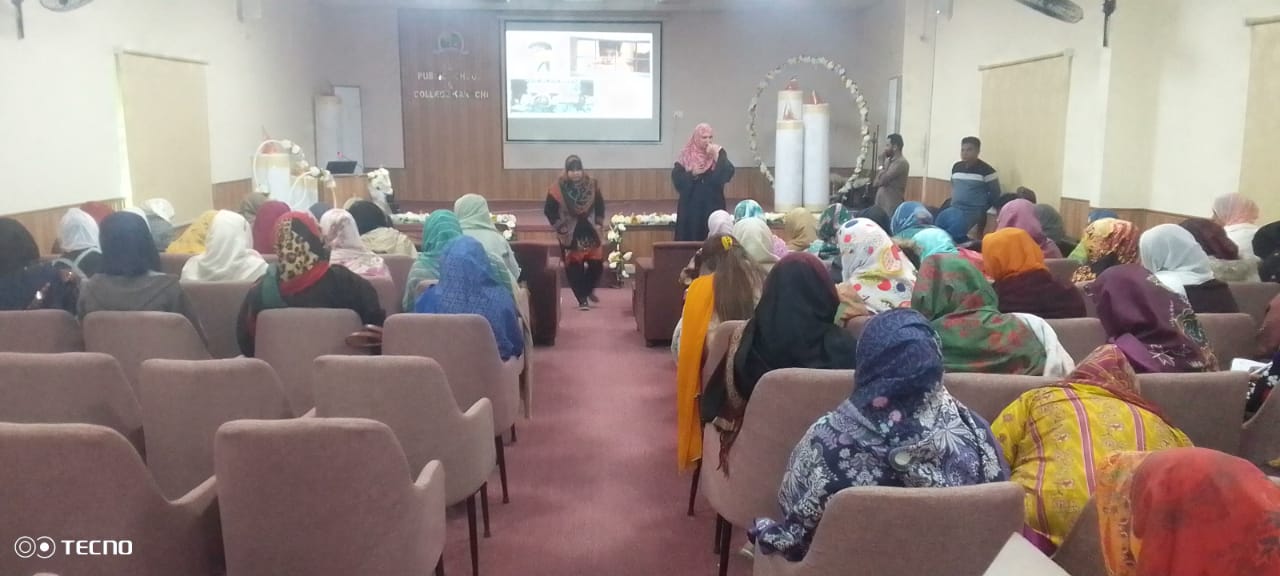
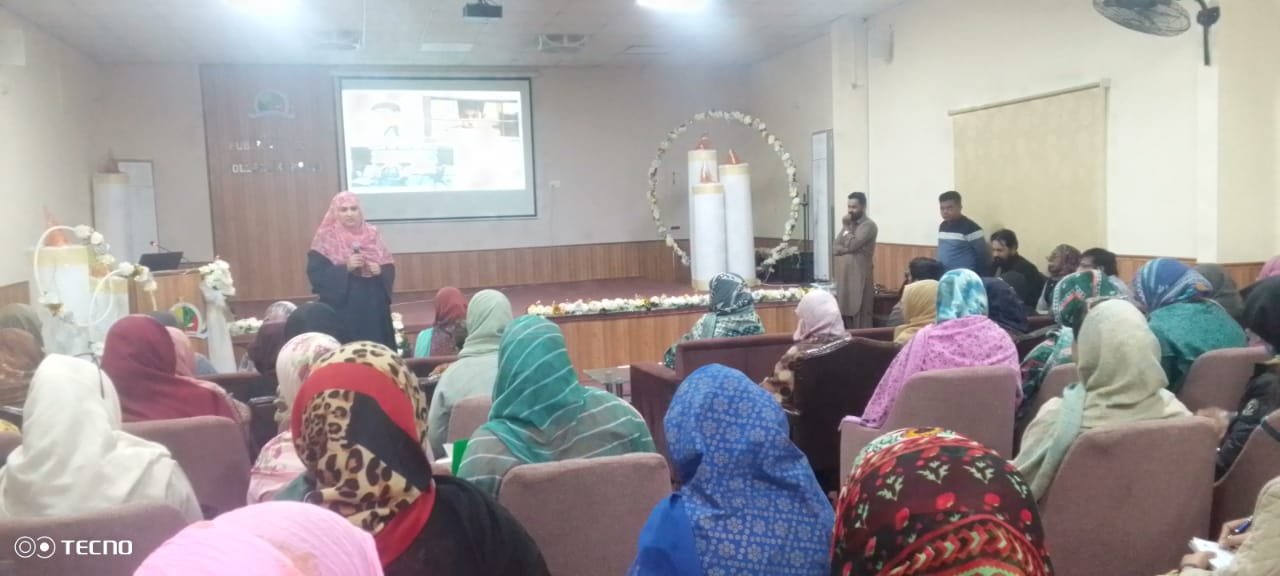
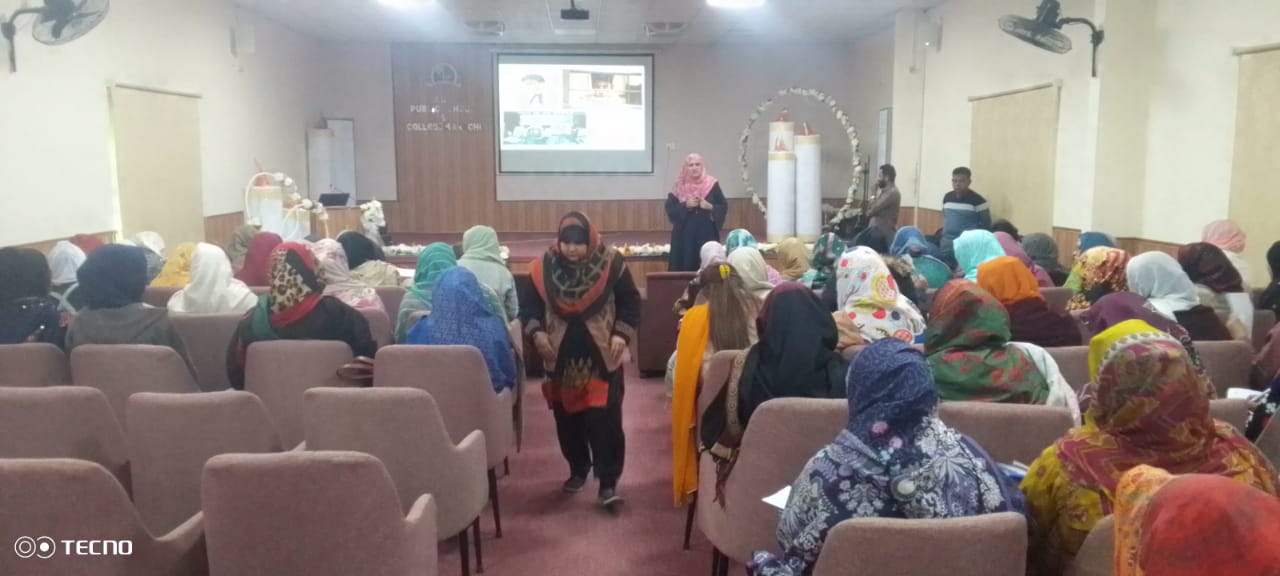
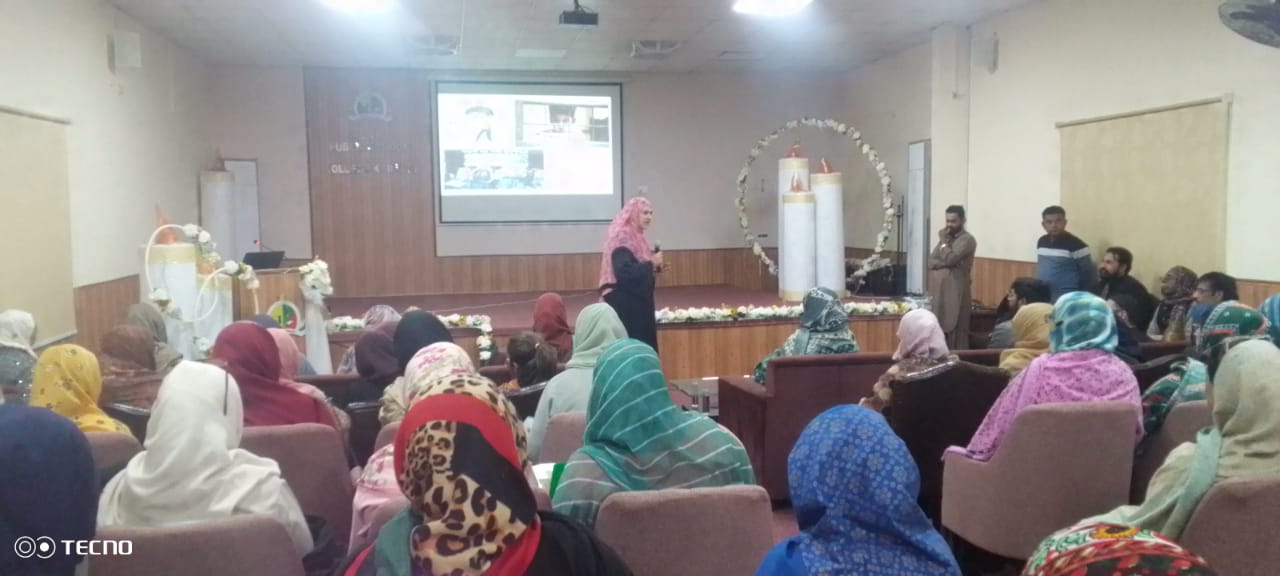
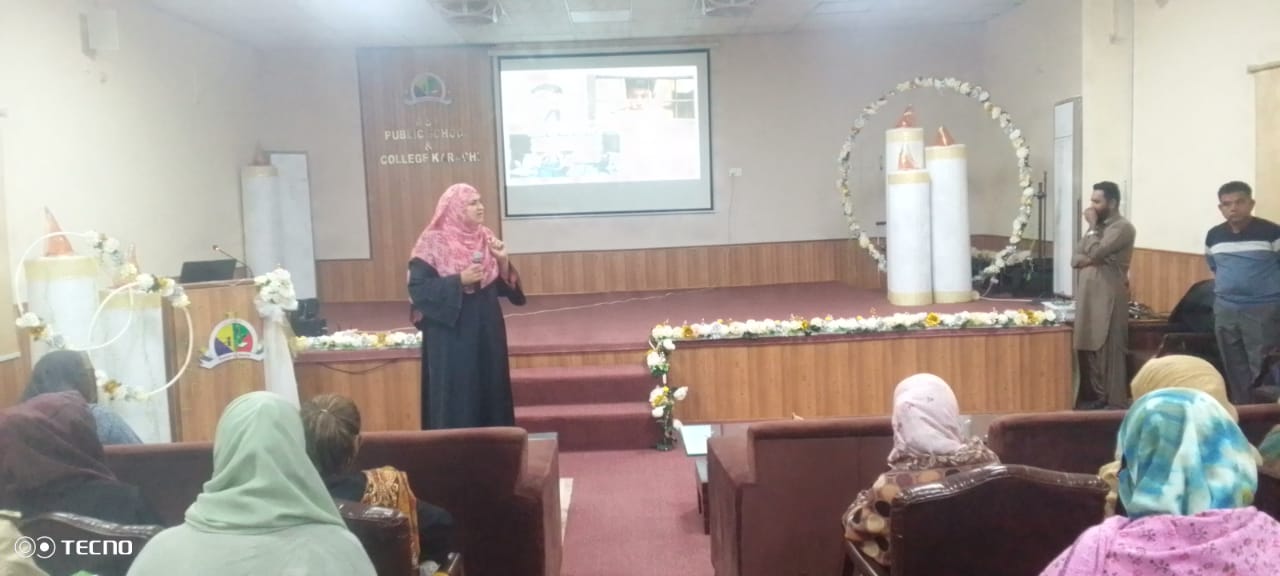
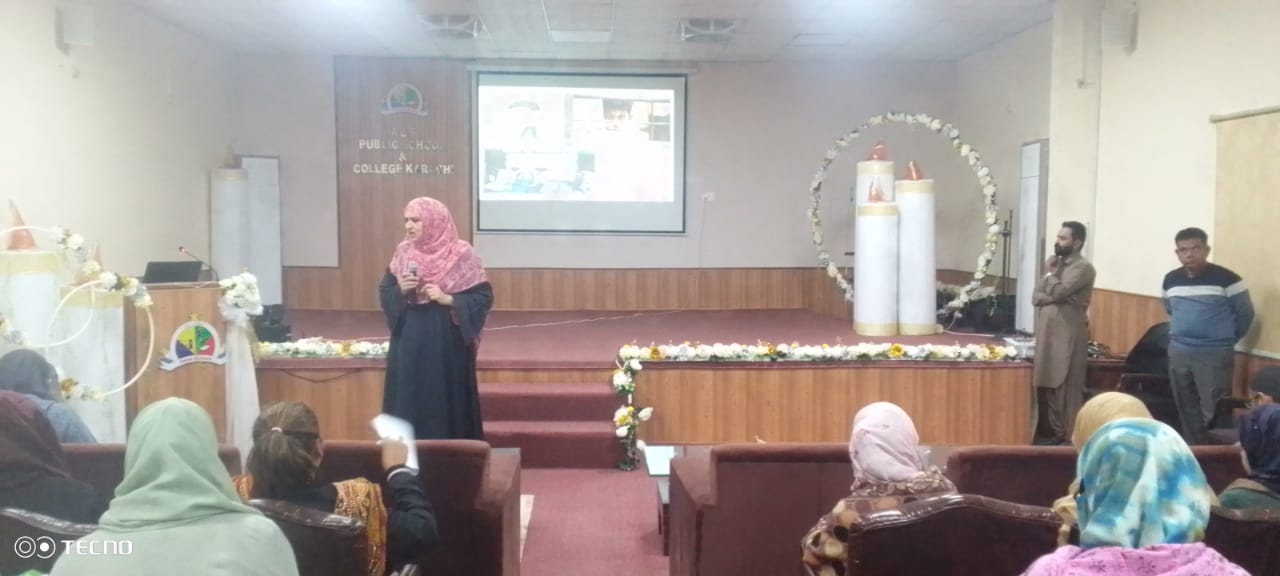
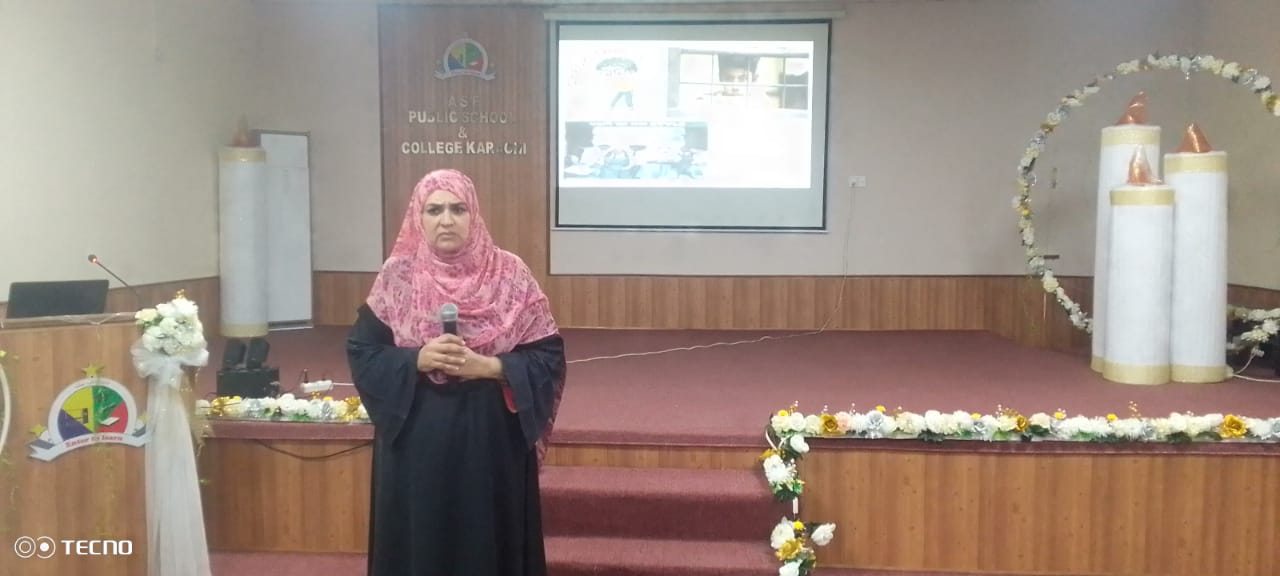
Innovative strategies for effective teaching are methods that go beyond traditional approaches to engage students actively, foster critical thinking, and enhance the overall learning experience. These strategies integrate technology, promote collaboration, and focus on student-centered learning. Here are some innovative teaching strategies that can be applied across various educational settings:
1. Flipped Classroom
- What it is: Students learn the content at home (via videos, readings, or assignments), and class time is used for interactive discussions, problem-solving, or practical applications of the concepts.
- Why it’s effective: This strategy allows students to learn at their own pace, come to class prepared, and engage in more meaningful, hands-on learning during class time.
- How to implement: Use online resources like YouTube videos, educational websites, or your own pre-recorded lectures to introduce new concepts. Use class time for activities that reinforce learning, such as group discussions, case studies, or problem-solving exercises.
2. Gamification
- What it is: The use of game elements (such as points, badges, leaderboards) to make learning more interactive and fun.
- Why it’s effective: Gamification increases student engagement, motivation, and retention of knowledge. It encourages friendly competition and provides immediate feedback.
- How to implement: Create a point system for completing assignments or answering questions. Use game-based learning platforms like Kahoot!, Quizlet, or Duolingo. Develop challenges or “quests” that students need to complete to earn badges or rewards.
3. Project-Based Learning (PBL)
- What it is: A student-centered teaching strategy where students work on a project over an extended period, which requires applying multiple skills and knowledge to solve real-world problems.
- Why it’s effective: PBL promotes critical thinking, collaboration, and problem-solving. It also helps students see the real-world application of what they’re learning.
- How to implement: Assign open-ended projects that require research, teamwork, and practical solutions. Examples could include designing a product, conducting a scientific experiment, or creating a community service initiative.
4. Personalized Learning
- What it is: Tailoring the learning experience to meet the individual needs, interests, and abilities of students.
- Why it’s effective: Personalized learning helps students progress at their own pace and ensures that they understand the material before moving on to more advanced topics.
- How to implement: Use technology to differentiate instruction. For instance, tools like Khan Academy, Edmodo, or Google Classroom offer personalized learning paths and adaptive quizzes.
5. Inquiry-Based Learning
- What it is: A teaching method where students explore questions, problems, or scenarios through their own investigation and research, rather than simply being given information.
- Why it’s effective: This strategy fosters curiosity, independent thinking, and problem-solving skills.
- How to implement: Start with a question or problem relevant to the course. Encourage students to explore resources, form hypotheses, conduct experiments or studies, and present their findings.
6. Collaborative and Cooperative Learning
- What it is: Students work together in small groups to achieve a common goal, such as solving a problem or completing a task.
- Why it’s effective: This strategy helps develop teamwork, communication skills, and a sense of responsibility. It also allows students to learn from one another and fosters deeper understanding.
- How to implement: Assign group projects, collaborative problem-solving tasks, or peer teaching activities. Use tools like Google Docs or Padlet for real-time collaboration.
7. Mind Mapping and Concept Mapping
- What it is: Visual techniques that help students organize information, identify relationships between concepts, and improve memory retention.
- Why it’s effective: Mind maps and concept maps help students visually process complex ideas, making abstract concepts easier to understand.
- How to implement: Encourage students to create mind maps or concept maps for brainstorming, outlining projects, or organizing information during lessons. Tools like MindMeister and Coggle make digital mind mapping easier.
8. Storytelling and Narrative-Based Learning
- What it is: Incorporating storytelling techniques into lessons to make concepts more relatable and memorable.
- Why it’s effective: Storytelling creates emotional connections to the content, making it more engaging and easier to understand.
- How to implement: Present lessons through stories, case studies, or real-life examples. Encourage students to tell their own stories to explain what they’ve learned, or create narratives around historical events, scientific discoveries, or literary themes.
9. Design Thinking
- What it is: A problem-solving approach that focuses on understanding the user, defining problems, brainstorming solutions, prototyping, and testing.
- Why it’s effective: It encourages creative thinking, empathy, and real-world problem-solving, which are essential skills in any field.
- How to implement: Introduce design thinking as a framework for tackling real-world problems, whether in engineering, social sciences, or business. Guide students through the steps of identifying a problem, ideating solutions, prototyping, and testing.
10. Blended Learning
- What it is: A mix of traditional face-to-face learning and online learning experiences, allowing for greater flexibility and self-paced learning.
- Why it’s effective: Blended learning combines the benefits of both in-person interaction and the accessibility of digital tools, helping students learn more effectively.
- How to implement: Use a combination of in-person instruction and digital content (e.g., videos, quizzes, online discussions). Learning management systems (LMS) like Moodle, Canvas, or Schoology can help integrate online and offline components.
11. Socratic Seminars
- What it is: A form of teaching based on the Socratic method, where the teacher asks open-ended questions to stimulate critical thinking, discussion, and reflection.
- Why it’s effective: It promotes active learning, encourages students to think deeply, and helps them develop their reasoning and debate skills.
- How to implement: Use open-ended, thought-provoking questions during discussions. Encourage students to listen to each other and respond respectfully. Create a structured environment where all voices are heard.
12. Microlearning
- What it is: Breaking down learning content into small, digestible chunks that focus on one specific concept at a time.
- Why it’s effective: Microlearning increases retention and allows students to absorb information in shorter, more focused sessions.
- How to implement: Use tools like quizzes, short instructional videos, or mobile apps to deliver quick learning sessions. This can be especially effective for teaching complex concepts or reviewing material.
13. Virtual Reality (VR) and Augmented Reality (AR)
- What it is: Using VR or AR technologies to create immersive learning experiences that simulate real-world environments or provide interactive visualizations of abstract concepts.
- Why it’s effective: VR and AR make abstract concepts more tangible and allow for experiential learning, which can improve engagement and understanding.
- How to implement: Use VR or AR apps to create simulations, virtual field trips, or 3D models. Platforms like Google Expeditions or Engage VR allow educators to integrate VR experiences into lessons.
14. Peer Teaching and Peer Assessment
- What it is: Students teach and assess one another, sharing their knowledge and providing feedback on each other’s work.
- Why it’s effective: Peer teaching reinforces knowledge, promotes deeper understanding, and helps students develop critical thinking and communication skills.
- How to implement: Pair students for peer reviews, collaborative problem-solving tasks, or even teaching small sections of the curriculum to their peers.
Conclusion:
Incorporating innovative teaching strategies requires flexibility, creativity, and a commitment to understanding your students’ needs and learning preferences. The ultimate goal is to create an engaging, dynamic learning environment that fosters curiosity, critical thinking, and the development of practical skills. Whether through technology, project-based work, or interactive discussions, these strategies can inspire a more effective and enjoyable learning experience for both educators and students.